




What Are Container Houses and How Do They Work?
2026-02-09 03:57:22
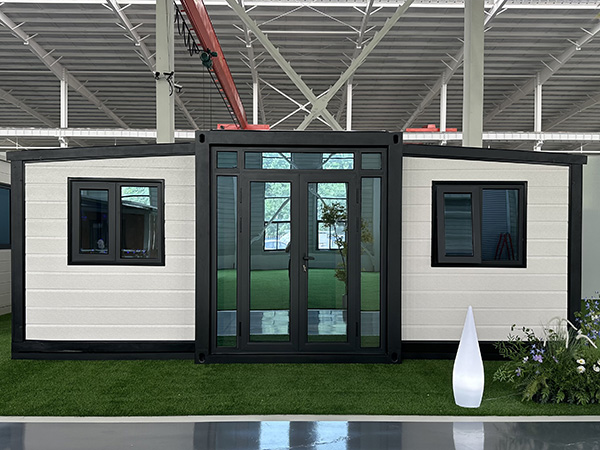
What Are Container Houses?
Container houses are buildings made from prefabricated steel containers that are designed for housing and functional spaces. Unlike traditional construction that requires long on-site processes, container houses are manufactured in factories and then transported to the project location for fast installation.
These units can be used as single modules or combined into multi-story structures. With insulation, electrical systems, plumbing, windows, and doors already prepared, container houses arrive almost ready to use. This approach saves time, labor, and overall construction costs while ensuring consistent quality.
Because of their modular nature, container houses are suitable for both temporary and permanent projects, offering flexibility that traditional buildings often cannot match.
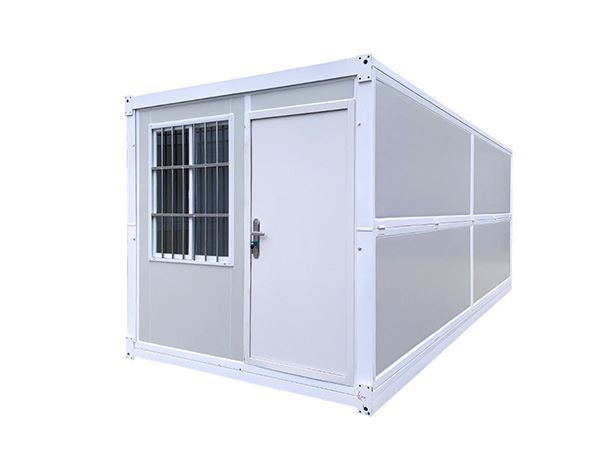
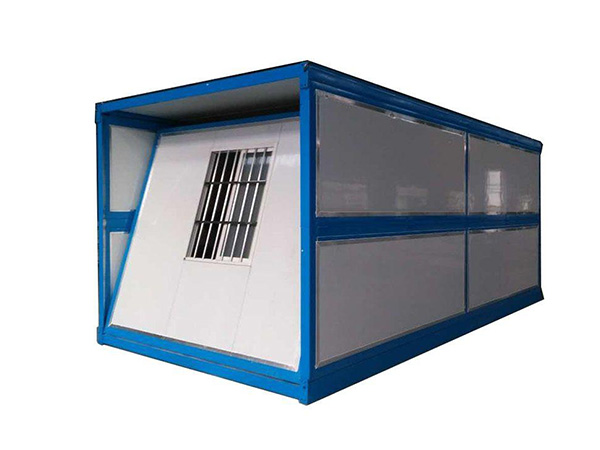
How Do Container Houses Work?
The working process of container houses follows a systematic modular construction method:
1. Factory Production
The main structure is built from high-strength steel frames. Walls, floors, roofs, insulation layers, electrical wiring, plumbing, and interior finishes are installed in the factory. This controlled environment ensures stable quality and precise assembly.
2. Transportation
Once completed, the container units are shipped to the project site using trucks, rail, or sea freight. Their standardized shape makes global transportation simple and cost-efficient.
3. On-Site Installation
At the site, container houses are placed using cranes or forklifts. They can be stacked, connected side by side, or arranged into customized layouts. Only minimal foundation work is required compared to traditional buildings.
4. Connection and Commissioning
Water, electricity, drainage, and optional systems like HVAC are connected. After testing, the container houses are ready for use within days instead of months.
This workflow allows container houses to dramatically shorten construction cycles while maintaining structural safety.
Main Structure of Container Houses
The performance of container houses depends on their structural components:
·Steel Frame: Provides strong load-bearing capacity and durability.
·Insulated Wall Panels: Improve thermal performance and indoor comfort.
·Floor System: Usually made with fireproof boards and moisture-resistant layers.
·Roof Design: Protects against weather and supports optional solar systems.
·Doors and Windows: Enhance ventilation, lighting, and security.
·Electrical and Plumbing Systems: Pre-installed for easy operation.
These integrated parts make container houses suitable for long-term living and working environments.
Applications of Container Houses
Container houses are used across many industries because of their flexibility:
Residential Living
Container houses serve as homes, apartments, villas, and temporary housing. They provide comfortable indoor environments while reducing construction time.
Commercial Spaces
Many projects use container houses for offices, shops, cafes, and showrooms. Their modern appearance and modular design allow creative layouts.
Industrial Camps
For mining, construction, and infrastructure projects, container houses offer fast-deployed accommodation for workers in remote areas.
Public Facilities
Schools, clinics, dormitories, and training centers can be built quickly using container houses, especially where fast delivery is critical.
Emergency and Temporary Use
After natural disasters, container houses are widely applied as emergency shelters due to rapid installation and transportability.
These versatile uses explain why container houses are becoming an important part of modern modular construction.
Advantages of Container Houses
Fast Construction
Factory production and on-site assembly reduce building time significantly. Projects can be completed in weeks instead of months.
Cost Efficiency
Container houses lower labor and material waste, helping control budgets without sacrificing quality.
Flexible Design
Modules can be expanded, stacked, or rearranged to meet different functional needs.
Durability
Steel structures provide strong resistance to wind, rain, and seismic activity.
Sustainability
Container houses minimize on-site waste and support energy-efficient insulation, making them an environmentally friendly solution.
Easy Relocation
If project requirements change, container houses can be disassembled and moved to a new location.
These benefits make container houses attractive for both investors and end users.
Design and Customization Options
Modern container houses are not limited to simple boxes. They offer extensive customization:
·Interior layouts for bedrooms, kitchens, offices, and bathrooms
·Exterior finishes to match architectural styles
·Thermal and sound insulation upgrades
·Electrical and smart system integration
·Multi-floor and large-scale modular combinations
With proper planning, container houses can look and function like traditional buildings while maintaining modular efficiency.
Why Are Container Houses a Global Trend?
Urbanization, housing demand, and fast project delivery are driving the popularity of container houses. Developers and project owners need solutions that are quick, reliable, and scalable. Container houses answer these needs by combining industrial production with architectural flexibility.
Additionally, governments and enterprises are adopting container houses for infrastructure, workforce housing, and public services because they reduce risk, shorten schedules, and improve deployment efficiency.
As technology improves, container houses continue to evolve into smarter, safer, and more comfortable living and working spaces.
Conclusion
Container houses offer a modern, efficient, and flexible construction solution for residential, commercial, and industrial projects. From factory production to on-site installation, the modular process ensures speed, durability, and customization. With wide applications, cost efficiency, and sustainable performance, container houses are reshaping the future of modular construction.
If you are exploring fast, reliable, and scalable building solutions, understanding how container houses work is the first step toward smarter project development. Container houses are no longer just an alternative — they are becoming a main choice for modern housing and infrastructure worldwide.
References
GB/T 7714:Kim S. Prefabricated and modularized residential construction: A review of present status, opportunities, and future challenges[J]. Buildings, 2025, 15(16): 2889.
MLA:Kim, Sunai. "Prefabricated and modularized residential construction: A review of present status, opportunities, and future challenges." Buildings 15.16 (2025): 2889.
APA:Kim, S. (2025). Prefabricated and modularized residential construction: A review of present status, opportunities, and future challenges. Buildings, 15(16), 2889.