




Prefab Container Homes Versus Traditional Construction: A Cost Breakdown
2026-07-14 01:57:16
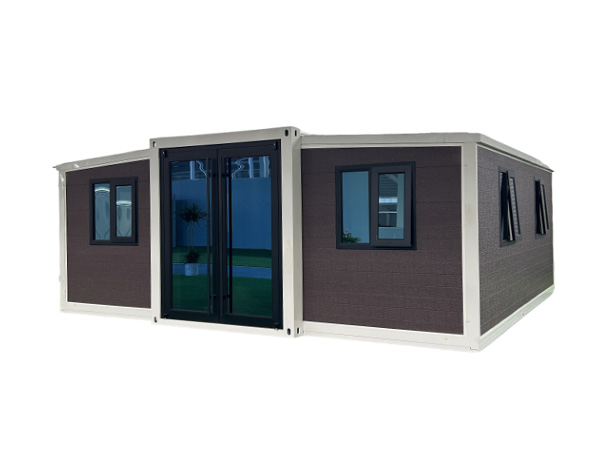
Money talks, and when it comes to choosing between a prefab container home and traditional stick-built construction, the numbers often favor the container option鈥攖hough the picture is more nuanced than simple per-square-foot comparisons suggest. Let's dig into the actual costs, the hidden factors, and the long-term value proposition that serious builders and buyers need to understand.

The Obvious Advantage: Labor Costs
Traditional home construction is notoriously labor-intensive. Framing a house requires skilled carpenters working for weeks, often in weather that slows progress and adds to overhead. Electrical and plumbing systems demand specialized tradespeople coordinating their work across multiple stages of construction. Every day on a traditional building site represents wages paid, equipment rented, and financing costs accumulating.
Prefab container homes compress this timeline dramatically. A factory producing container modules can complete work in days that would take weeks on a building site. Because modules are built indoors under controlled conditions, weather delays essentially disappear. Workers perform repetitive tasks efficiently rather than constantly adapting to changing conditions. The result is significantly reduced labor hours per square foot of habitable space.
It's difficult to provide precise figures because labor costs vary so widely by location, but industry benchmarks suggest that prefab container construction can reduce on-site labor requirements by 40 to 60 percent compared to conventional building. In regions with high construction labor costs, this difference can be the deciding factor in project viability.
Material Costs: Where the Savings Actually Come From
Shipping containers themselves represent a small portion of total project cost, but they introduce efficiencies that ripple through the entire budget. The structural frame arrives ready-made鈥攖here's no need to purchase dimensional lumber, assemble wall frames, or install sheathing. A factory can allocate material spending more precisely because the structure's parameters are fixed by container dimensions rather than subject to on-site decisions and changes.
Bulk purchasing benefits factories in ways individual builders cannot match. A manufacturer ordering insulation for hundreds of container projects annually receives volume discounts that translate to lower per-unit costs. Electrical components, plumbing fixtures, hardware, and finishing materials all benefit from the same procurement advantages.
Waste reduction is another meaningful factor. Traditional construction sites generate substantial material waste鈥攃utoffs, damaged goods, excess ordering. Factory production minimizes waste through precise material optimization and the ability to use cut pieces elsewhere in the process. Some studies suggest that prefab construction reduces material waste by 20 to 30 percent compared to stick-built approaches.
Time Is Money: The Financing Dimension
Construction loans are typically structured to provide funds as building progresses, with interest accruing from the moment funds are disbursed. A traditional home construction project that stretches across twelve months accumulates interest expenses that add meaningfully to the total cost. Every week of delay translates directly to dollars paid in financing charges.
Prefab container homes can dramatically shorten this timeline. Projects that would require six months of on-site construction can sometimes be completed in six weeks, including site preparation and utility connections. This acceleration reduces interest expenses, allows faster occupancy (and rental income or avoided temporary housing costs), and reduces exposure to market fluctuations during the construction period.
For developers building multiple units, the time advantage multiplies across projects. A container manufacturer can produce multiple units simultaneously in ways that parallel on-site construction cannot match. This throughput advantage becomes significant at scale.
Hidden Costs and Surprises
No honest cost comparison ignores the factors that catch first-time container home builders off guard. Foundation requirements, while simpler than traditional homes, still require professional engineering to ensure adequate load-bearing and frost protection in colder climates. Site preparation costs vary enormously based on terrain, access, and local conditions.
Transportation logistics represent a category that traditional builders never consider but container home builders must budget carefully. Moving a container鈥攑articularly an oversized 40-foot unit鈥攆rom a factory to a remote site can cost thousands of dollars. Sites that require crane access or special permits for oversized loads add further expenses. These costs favor urban and suburban locations with reasonable access.
Utility connections can also be more complex than they initially appear. While the container itself is structurally complete, connecting to electrical, water, and sewer systems requires coordination with local utilities and licensed tradespeople. In areas with stringent building codes, permitting and inspection processes can add time and cost regardless of construction method.
Long-Term Value Considerations
Container homes depreciate and appreciate differently than traditional homes, though the data on this remains limited given the category's relative newness. The steel structure itself resists the rot, pest damage, and weather-related deterioration that affect wood-framed homes, potentially extending service life and reducing maintenance expenses over decades of ownership.
Energy performance depends heavily on insulation choices and mechanical systems rather than construction method. A poorly insulated container home performs worse than a well-insulated stick-built home, and vice versa. When insulation is properly specified and installed鈥攖ypically by experienced manufacturers rather than DIY builders鈥攃ontainer homes can achieve energy efficiency comparable to or better than conventional construction.
Resale value remains the most uncertain factor. Container homes occupy a niche market, and buyer acceptance varies by region and price point. High-quality, well-designed units in desirable locations have demonstrated strong resale performance, but generic or poorly executed projects may face limited buyer interest.
The Verdict on Total Cost
For most projects in most markets, a well-executed prefab container home will cost 10 to 30 percent less than a comparable traditionally built home. The savings come primarily from reduced labor, faster occupancy, and factory procurement efficiencies. The variance depends heavily on location, site conditions, design complexity, and the quality tier of the manufacturer selected.
Budget-conscious builders and those prioritizing speed of occupancy find the strongest case for container construction. Luxury projects may find less advantage, as premium finishes and custom designs tend to normalize costs across construction methods. Either way, the container approach deserves serious consideration in any cost-sensitive housing project.
References
National Association of Home Builders. (2023). Construction Cost Breakdown: Comparative Analysis of Building Methods. NAHB Economics.
McGraw-Hill Construction. (2022). Prefabrication and Modular: The Rise of Off-Site Construction. Dodge Data & Analytics.
Federal Reserve Bank. (2023). Housing Construction Costs and the Affordability Challenge. Federal Reserve Economic Research.
Building and Construction Authority of Singapore. (2021). Prefabricated Prefinished Volumetric Construction: Technical Guide. BCA Publications.
Royal Institution of Chartered Surveyors. (2023). Global Construction Monitor: Off-Site Manufacturing Adoption and Cost Impacts. RICS Research.