




Modular Integrated House: The Future of Sustainable Living
2026-05-02 02:00:03
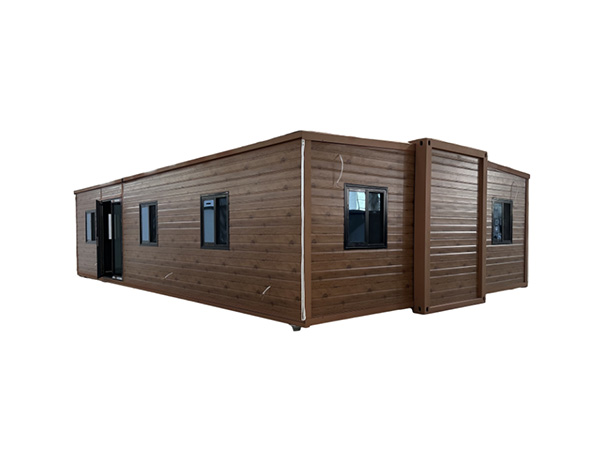
As cities expand and environmental pressures increase, the construction industry is being forced to rethink traditional building methods. One of the most innovative responses to this challenge is the modular integrated house, a modern housing solution that combines efficiency, sustainability, and flexible design.
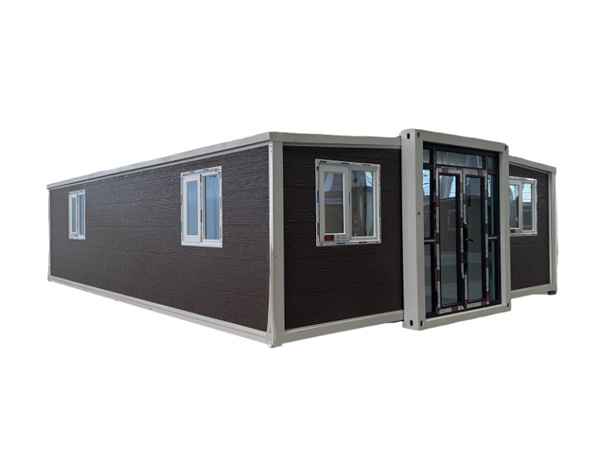
What Is a Modular Integrated House?
A modular integrated house is a type of prefabricated home built in sections, or “modules,” inside a factory environment. These modules are then transported to the construction site and assembled into a complete building.
Each module can be a fully functional space—such as a bedroom, kitchen, bathroom, or living area—pre-fitted with structural, electrical, and plumbing systems before arriving on-site. Once connected, they form a fully operational home that looks and functions like a traditionally built house.
How It Works
The process begins with architectural design based on the homeowner’s needs. Once the design is finalized, production moves to a controlled factory setting where each module is manufactured with precision.
Because construction happens indoors, weather delays and material exposure are eliminated. At the same time, site preparation—such as foundation work—can take place simultaneously, significantly reducing overall project time.
After completion, the modules are transported to the site and assembled using cranes and specialized equipment. Final connections for utilities such as water, electricity, and HVAC systems are completed on location, making the home ready for use in a short period.
Key Benefits of Modular Integrated Houses
One of the most important advantages of modular housing is speed. Since multiple stages of construction happen at the same time, building time is greatly reduced compared to traditional methods.
Another major benefit is cost efficiency. Factory production allows for better material control, reduced waste, and more efficient labor usage, which helps lower overall costs without compromising quality.
From an environmental perspective, modular construction is significantly more sustainable. It generates less waste, uses resources more efficiently, and often incorporates energy-saving materials and insulation systems that reduce long-term energy consumption.
Quality is also a strong advantage. Because modules are built in a controlled environment, they undergo strict inspections at every stage, resulting in more consistent structural integrity and finish quality.
In addition, modular homes offer a high degree of design flexibility. Homeowners can choose layouts, finishes, and even smart home systems based on their personal needs and preferences. This makes modular housing suitable for both minimalistic designs and more complex architectural styles.
Where Modular Housing Is Used
Modular integrated houses are no longer limited to experimental projects. They are widely used in residential communities, urban apartment developments, and even luxury housing markets.
Beyond residential use, they are also applied in temporary or fast-deployment scenarios such as disaster relief housing, remote work camps, educational buildings, and healthcare facilities. Their adaptability makes them a practical solution for a wide range of construction needs.
Why Modular Housing Is the Future
The global demand for housing continues to rise, while at the same time sustainability has become a critical priority. Modular integrated housing addresses both challenges by offering a faster, cleaner, and more efficient construction model.
With advancements in smart home technology, renewable energy integration, and eco-friendly materials, modular homes are expected to become even more intelligent and environmentally responsible in the future.
Conclusion
The modular integrated house is reshaping the way we think about building and living spaces. It combines modern engineering, environmental responsibility, and design flexibility into one efficient system.
As the world moves toward smarter and more sustainable living solutions, modular housing is not just an alternative—it is becoming a defining direction for the future of residential construction.
References
GB/T 7714: Research on the Modular Design Method and Application of Prefabricated Residential Buildings. Buildings
MLA:Structural Systems for Modular Integrated Construction: Review and Comparative Analyses. Sage Journals
APA:Prefabricated and Modularized Residential Construction: A Review of Present Status, Opportunities, and Future Challenges. MDPI