




Container Integrated House vs Traditional Buildings: Key Differences Explained
2026-04-29 01:59:54

With global demand surging for faster, more affordable and eco-conscious construction, container integrated buildings have emerged as a high-potential alternative to traditional construction methods. By renovating and reusing standard shipping containers into complete living and working spaces, this innovative modular design has brought new ideas to the modern construction industry. To help developers and contractors select the most suitable building solution, this article compares container integrated houses with conventional buildings and analyzes their core differences in multiple dimensions.
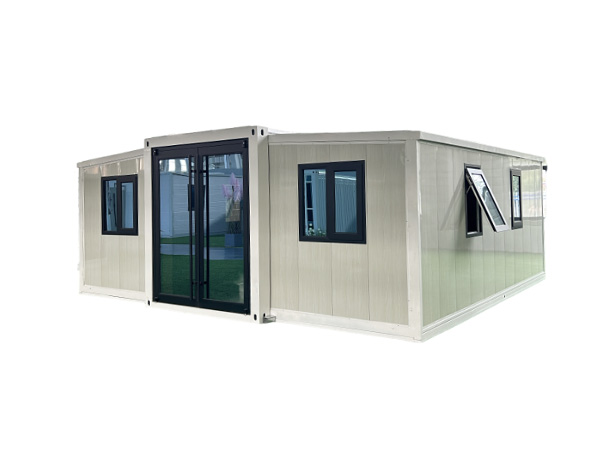
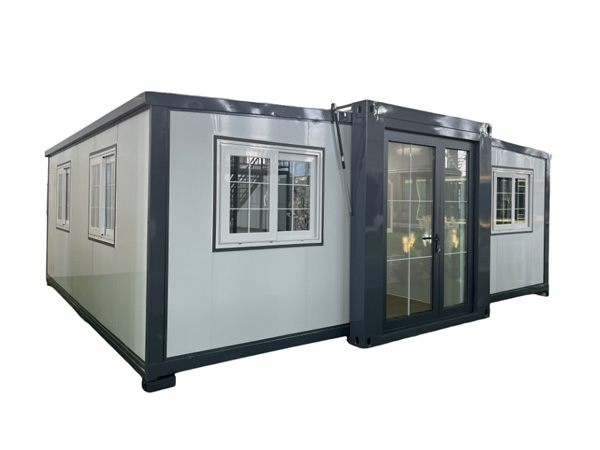
1. Construction Mode & Working Process
The biggest distinction between the two solutions lies in construction logic. Container integrated houses belong to off-site prefabricated buildings. The main steel container frames are mass-produced in factories, then professionally modified with insulation layers, electric circuits, water pipelines and interior decorations. After factory completion, finished units are delivered to the site for quick splicing and installation. On the contrary, traditional buildings rely entirely on on-site construction. All procedures from foundation pouring to exterior and interior decoration are carried out step by step in sequence. The whole progress is easily restricted by labor supply, seasonal changes and bad weather.
2. Construction Cycle
Rapid delivery is one of the most competitive highlights of container integrated houses. Most decoration and transformation work is finished in the factory, so on-site operation only involves positioning, connection and assembly. Normally, a complete container house can be put into use within a few days or weeks. Traditional construction requires a long cycle. Affected by complex working procedures and external factors, ordinary buildings often take several months, and large-scale projects may even need several years for full completion.
3. Cost Control & Budget Management
Container integrated houses deliver obvious economic benefits in engineering cost control. It effectively cuts overall expenses through fewer on-site workers, greatly shortened construction periods, controlled material loss and standardized industrial production. All links are highly controllable, avoiding unexpected extra spending. Traditional construction needs large labor teams and long-term equipment leasing. Material price fluctuations, construction delays and on-site management problems often lead to budget overruns and increased hidden costs.
4. Structural Strength and Durability
Shipping containers are originally manufactured for long-distance transportation and harsh marine environments, with ultra-high load-bearing capacity and rigid steel structures. After professional anti-corrosion, waterproof and thermal insulation treatment, container integrated houses feature strong wind resistance, shock resistance and weather resistance, maintaining stable performance and long service life in complex environments. Although traditional buildings also have good durability, their structural quality varies greatly due to on-site construction technology, material quality and manual operation errors.
5. Design Customization Capacity
Traditional buildings have long been recognized for ultra-high design freedom, supporting complex architectural shapes, personalized styles and diversified space layouts. Nevertheless, modern container integrated houses have achieved great upgrades in design. By stacking, combining and splicing multiple container units, it can create diverse spatial structures. Exterior styles, interior layouts, doors, windows and decoration materials can all be customized to meet personalized usage demands.
6. Environmental Protection and Green Performance
Green and low-carbon attributes make container houses highly in line with sustainable construction trends. This solution realizes the secondary reuse of waste shipping containers, greatly reduces construction waste, lowers raw material consumption, and minimizes dust and noise pollution during on-site construction. Meanwhile, it can be matched with energy-saving insulation materials to reduce daily energy consumption. Traditional construction produces a large amount of construction waste, consumes massive natural resources, and causes greater damage and disturbance to the surrounding ecological environment.
7. Transportation and Mobile Performance
Mobility is a unique advantage of container integrated houses. Adopting unified standard container sizes, these units are easy to transport by land and sea. When needed, the whole building can be disassembled, relocated and reused, which is very suitable for remote construction zones, temporary projects and mobile service facilities. Traditional buildings are fixed permanent structures. Once completed, they cannot be moved or transferred, with extremely poor flexibility.
8. Installation Difficulty and Labor Demand
Container integrated houses greatly reduce reliance on on-site labor. With most complex transformation work completed in the factory, on-site installation only requires simple assembly and connection, which needs only a small number of workers and simplifies the overall construction process. Traditional construction requires a variety of professional workers such as masonry, carpentry, electrical and decoration. The whole project is labor-intensive and highly dependent on skilled workers.
9. Main Application Scenarios
Both building forms have wide application value, but they have their own advantages in targeted fields. Container integrated houses are more suitable for temporary accommodation, construction site offices, staff dormitories, disaster emergency shelters, and simple commercial modular spaces. Traditional buildings are still the first choice for high-standard permanent residences, large public facilities and urban key infrastructure projects.
10. Advantages of Our Custom Container House Solutions
As a professional container integrated house manufacturer serving global customers, we provide one-stop modular building services. Our core strengths include strict factory quality inspection, fully personalized customized design, direct factory competitive pricing, stable global export capacity, as well as complete technical guidance and after-sales installation support. We always focus on creating high-strength, durable and cost-effective building products for overseas buyers.
Conclusion
Container integrated houses and traditional buildings have their own applicable scenarios and unique strengths. Traditional construction boasts mature technology and unrestricted design, while container houses take the lead in rapid installation, cost saving, environmental protection and flexible migration. For engineering projects with tight schedules, limited budgets and modular deployment needs, container integrated houses are a reliable and cost-effective building option. If you are planning a new construction project, container modular solutions can fully meet your diversified construction demands.
References
GB/T 7714:Structural performance and durability analysis of container modular housing. Journal of Building Engineering
MLA:Cost and time comparison between container modular construction and traditional building. Construction and Building Materials
APA:Design flexibility and modular combination technology of container integrated houses. Architectural Engineering and Design Management