




Cost Guide for Modular Integrated House Construction
2026-05-05 02:43:49
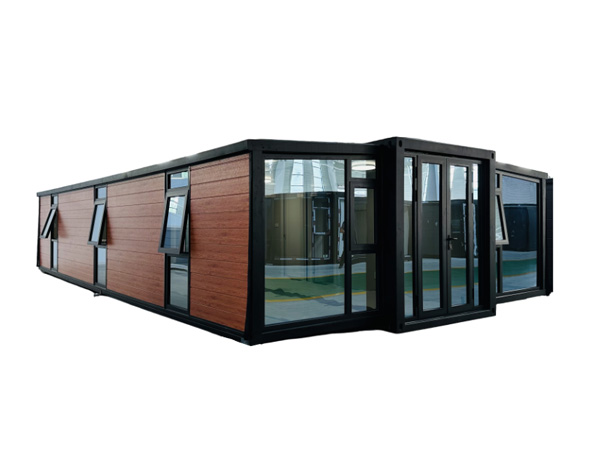
Modular integrated homes are frequently regarded as a quicker, more streamlined option compared to conventional building methods—but when it comes to budgeting, numerous buyers fail to account for the actual total expense. Gaining clarity on how your funds are allocated is crucial before launching any construction project, particularly since modular homes involve both factory manufacturing and on-site assembly processes. This guide breaks down the key cost elements, practical price ranges, and factors that impact your final budget.
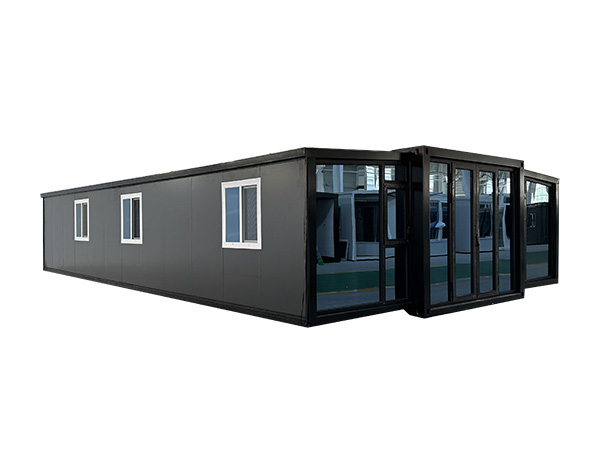
1. Average Cost of a Modular Integrated House
In most markets, the price of a modular integrated house generally falls within the following ranges:
$80 – $175 per square foot for standard projects across the United States
$50 – $100 per square foot for basic factory-manufactured modules prior to on-site work
Completed homes typically range from $160,000 – $320,000+ based on size and the level of customization
These figures, however, are merely a starting point. The final investment will usually be higher once land preparation, transportation, and installation costs are factored in.
2. Main Cost Breakdown
A modular integrated house is not a one-time purchase—it consists of multiple layers of costs:
1. Factory-Manufactured Modules
This forms the core structure of your home, including walls, floors, roofing, insulation, and partial internal systems.
Typically makes up 50%–60% of the total budget
Costs increase if you opt for high-quality materials, intelligent systems, or custom-designed layouts
2. Site Preparation and Foundation
The land must be prepared before the modules are delivered. Common expenses include:
Land clearing and leveling
Concrete foundation or slab
Utility trenching (for water, electricity, and sewage systems)
This phase can add a substantial amount to your total budget, a cost that is often miscalculated by first-time buyers.
3. Transportation and Installation
Once the modules are constructed, they need to be transported to the site and assembled on location. Costs are determined by:
Distance from the factory to the building site
Size and weight of the modules
Crane and lifting equipment needs
Accessibility of the building site
This step alone can cost anywhere from a few thousand to tens of thousands of dollars.
4. Interior Finishing
Even so-called “turnkey” modular homes may require additional finishing work, such as:
Flooring upgrades
Kitchen and bathroom fixtures
Lighting and household appliances
Interior customizations
High-end finishes can significantly drive up the final price.
5. Permits and Utility Connections
Local regulations often mandate:
Building permits
Inspection fees
Electrical and plumbing connection charges
These indirect costs vary greatly by region but should always be included in your budget planning.
3. Key Factors That Affect Cost
Size and Layout Complexity
Larger homes or multi-module designs will naturally cost more. Complex architectural styles also raise engineering and transportation expenses.
Level of Customization
Standard designs are more budget-friendly. However, custom layouts, high-end finishes, and smart-home integrations can quickly push up total costs.
Location
Remote or hard-to-reach sites require more logistical planning, which increases transportation and installation costs.
Material Quality
High-performance insulation, steel framing, and eco-friendly materials enhance durability but also require a larger upfront investment.
4. Hidden Costs You Should Not Ignore
Many buyers focus solely on the factory price, but practical budgeting should also include:
Land purchase (if not already owned)
Foundation and groundwork
Utility infrastructure connection
Landscaping and exterior work
Financing and loan interest during construction
In many instances, these “additional” costs can add 20%–40% to the base house price.
5. Is Modular Construction Cost-Effective?
Yes—but with certain conditions. Modular integrated houses are cost-effective primarily because:
Construction time is shorter
Labor efficiency is higher
Material waste is reduced
Factory production ensures better quality control
However, potential savings can diminish if you choose high-end customizations or face challenging site conditions. In other words: Modular housing saves money through time and efficiency, not necessarily through luxury upgrades.
Conclusion
The cost of a modular integrated house depends on far more than just the factory-built structure. A realistic budget must include land preparation, installation, finishing, and regulatory costs. While the initial price may seem appealing, a fully completed modular home is a multi-layered investment, typically ranging from mid-range affordable housing to high-end custom builds. With proper planning, modular construction remains one of the most efficient and predictable ways to build a modern home—offering excellent value through speed, quality, and long-term performance.
References
GB/T 7714: Cost Control in Modular Construction: A Taxonomy for Effective Cost Management. International Group for Lean Construction (IGLC) Proceedings
MLA:What is the Economic Viability of Modular Construction in High-Density Housing Projects? International Journal for Multidisciplinary Research (IJFMR)
APA:Understanding the Cost of Factory-Built Housing: Insights from a Cost-Comparison Study. Next Step Network Research Report