




Modular House Basics: Structure and Advantages
2026-02-19 03:40:50
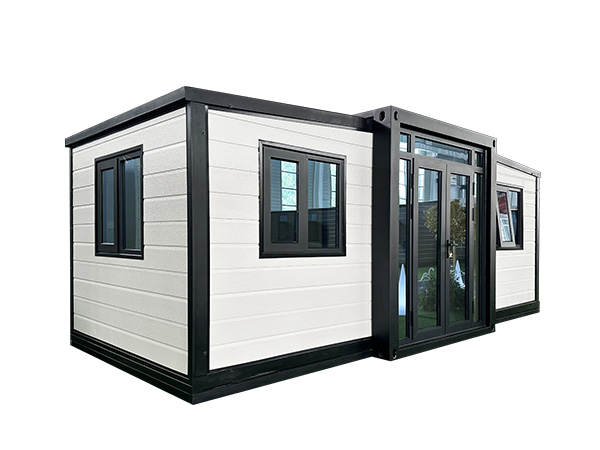
What Is a Modular House?
A modular house is a prefabricated building made from standardized modules that are produced in a factory environment and then transported to the site for assembly. Instead of building everything from the ground up outdoors, most of the work is completed indoors under controlled conditions.
Each module of a modular house can include walls, floors, ceilings, insulation, wiring, plumbing, windows, and finishes. Once delivered, the modules are lifted into place and connected to form a complete building.
This construction method reduces weather delays, improves precision, and ensures consistent quality across all units, making a modular house suitable for both temporary and permanent projects.
How Modular House Construction Works
The modular house process follows an industrialized workflow:
1. Factory Production
Steel frames, panels, and systems are assembled in production lines. Electrical, plumbing, insulation, and interior finishes are installed before shipment. From a manufacturer perspective, standardized production improves efficiency, safety, and quality stability for large-scale supply.
2. Transportation
After production, modules are packed and transported by truck, rail, or sea freight. Their modular size allows easier logistics planning compared with traditional construction materials.
3. On-Site Assembly
At the site, cranes position the modules onto prepared foundations. Units are connected horizontally and vertically to form the final modular house layout.
4. Utility Connection
External water, electricity, drainage, and HVAC systems are connected. After inspection, the modular house becomes ready for use in a much shorter time than conventional buildings.
This workflow allows projects to move from planning to completion rapidly and predictably.
Main Structure of a Modular House
A modular house is engineered with integrated components:
·Steel Frame System: Provides load-bearing strength and long-term durability.
·Wall Panels: Insulated for thermal and acoustic performance.
·Floor Structure: Fire-rated and moisture-resistant for safety and comfort.
·Roof System: Protects against weather and supports drainage design.
·Doors and Windows: Improve natural lighting, ventilation, and security.
·Electrical and Plumbing Systems: Pre-installed during production for fast setup.
Because most work happens in the factory, each modular house unit maintains consistent specifications and performance standards.
Applications of Modular House Solutions
A modular house can adapt to many project types:
Residential Housing
Used for apartments, villas, dormitories, and community housing, modular house systems provide comfortable living spaces with short construction timelines.
Commercial Buildings
Offices, hotels, shops, and service centers benefit from the flexibility and fast deployment of modular house construction.
Workforce Accommodation
Infrastructure, mining, and industrial projects use modular house layouts to provide reliable housing in remote areas.
Public Facilities
Schools, clinics, training centers, and emergency shelters rely on modular house systems for quick delivery and scalable development.
Because modules can be combined, stacked, and reconfigured, modular house projects can grow with changing needs.
Advantages of Modular House Construction
Speed and Efficiency
Factory production and parallel site preparation shorten construction schedules significantly.
Quality Control
Controlled manufacturing environments ensure precise assembly and reduced defect risk in every modular house unit.
Cost Management
Reduced labor, minimal waste, and predictable workflows help control overall budgets.
Design Flexibility
A modular house can be expanded, relocated, or reconfigured according to functional requirements.
Durability and Safety
Steel structures and engineered panels offer resistance to wind, rain, and seismic forces.
Sustainability
Energy-efficient insulation and reduced site disturbance support environmentally responsible building practices.
These advantages explain why the modular house approach is increasingly adopted worldwide.
Production Capacity and Bulk Supply
A modular house is typically produced on standardized assembly lines. During production, steel fabrication, welding, panel installation, and system integration are completed before shipment. This industrial process ensures stable quality and repeatable performance.
For projects requiring large quantities, batch production supports consistent specifications, faster turnaround, and controlled inspection. From a supply standpoint, modular house systems are well suited for residential developments, workforce camps, and infrastructure programs that demand reliable volume delivery and scalable manufacturing capability.
This production model allows modular house solutions to serve both small projects and large-scale deployments efficiently.
Customization Options for Modular Houses
Modern modular house systems offer extensive customization:
·Interior layouts for bedrooms, kitchens, bathrooms, and offices
·Exterior finishes to match architectural styles
·Thermal and acoustic insulation upgrades
·Electrical and smart technology integration
·Multi-story and multi-unit combinations
With professional planning, a modular house can perform and appear similar to traditional buildings while maintaining modular efficiency.
Why Modular Houses Are a Growing Trend
Urban growth, housing shortages, and compressed timelines push the need for flexible construction. A modular house responds to these challenges by combining industrial production with architectural adaptability.
Project owners benefit from faster deployment, reduced risk, and scalable layouts. With improvements in materials and engineering, modular house designs continue to evolve into safer, smarter, and more comfortable living and working environments.
As sustainability and efficiency become priorities, modular house construction is positioned as a key solution for modern development.
Conclusion
Modular house systems deliver a smart and efficient approach to modern construction. With factory-based production, durable structures, flexible layouts, and scalable supply capability, a modular house meets the needs of residential, commercial, and institutional projects alike. Supported by standardized manufacturing and bulk production processes, modular house solutions provide predictable quality and rapid deployment for projects of any size.
For developers and planners seeking speed, flexibility, and long-term value, choosing a modular house is an investment in efficiency and adaptability. The future of modern building is increasingly shaped by the innovation and performance of the modular house.
References
GB/T 7714:Zohourian M, Pamidimukkala A, Kermanshachi S, et al. Modular Construction: A Comprehensive Review[J]. Buildings, 2025, 15(12): 2020.
MLA:Zohourian, Mohammadamin, et al. "Modular Construction: A Comprehensive Review." Buildings 15.12 (2025): 2020.
APA:Zohourian, M., Pamidimukkala, A., Kermanshachi, S., & Almaskati, D. (2025). Modular Construction: A Comprehensive Review. Buildings, 15(12), 2020.