




How can I maintain a container house to extend its lifespan?
2026-02-05 10:39:19
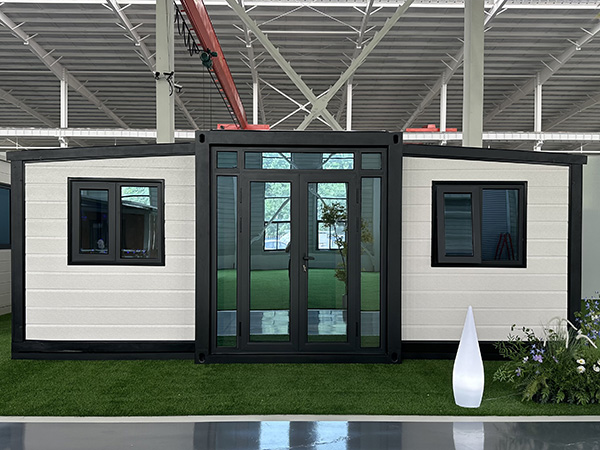
Maintaining a container house effectively is key to slowing steel corrosion, preventing structural damage, and extending its lifespan—the core focus is anti-corrosion, waterproofing, and structural inspection, with targeted care for different parts and environments. Below is a step-by-step, actionable maintenance guide (divided into regular routine care and seasonal/annual deep maintenance), plus special maintenance for harsh environments (coastal, humid, industrial) and common problem troubleshooting—all easy to follow for both personal and professional upkeep.
Part 1: Regular Routine Maintenance (Monthly/Quarterly) – Quick & Simple, Avoid Small Issues Escalating
Do these basic checks and upkeeps every 1–3 months; they take little time but prevent 80% of container house damage (rust, water seepage, structural loosening).
Waterproof & Drainage Check
Clear debris (leaves, dust, sand) from the roof, gutters, and drainage holes—water accumulation is the top cause of roof rust and wall seepage. Ensure downspouts are unclogged and direct water 1–2m away from the container base (use splash blocks if needed).
Inspect door/window seals (rubber gaskets) for cracks, falling off, or hardening; replace damaged seals immediately to stop rainwater/condensation from seeping in.
Surface & Exterior Rust Prevention
Do a quick visual check of the steel exterior: touch up small rust spots, paint scratches, or chipped paint with matching anti-rust paint within 7 days (even tiny bare steel areas will rust rapidly in humidity).
Wipe off surface dirt, bird droppings, or industrial dust—these contain corrosive substances that eat away at paint over time.
Structural & Connection Check
Tighten loose bolts/nuts on door/window frames, floor supports, and external attachments (e.g., awnings, railings)—vibration (from wind, use) often loosens fasteners, leading to structural gaps.
Check the container base/footings: ensure it’s level, no sinking or tilting (use shims to adjust if uneven—uneven weight causes frame deformation over time).
Part 2: Seasonal & Annual Deep Maintenance – Comprehensive Care for Longevity
Seasonal Maintenance (Before Rainy/Winter Seasons)
Before rainy season (humid areas): Apply a layer of waterproof sealant to roof joints, wall seams, and around pipe penetrations (e.g., water/gas pipes); check and repair any small roof cracks. For internal walls, wipe off condensation and ensure ventilation (use dehumidifiers if needed) to prevent mold and internal steel rust.
Before winter (cold areas): Drain all residual water from water pipes (to avoid freezing and pipe bursting, which causes water seepage into the frame); check window/door insulation and add weatherstripping if needed—cold air and condensation accelerate corrosion.
Annual Deep Maintenance (1 Full Check/Repair)
Full Derusting & Paint Touch-Up: Inspect the entire exterior (including hidden parts like the bottom frame and under the floor) for rust. For medium rust (not penetrating the steel), use a wire brush/sandpaper to remove rust, apply zinc-rich primer (1 coat), then topcoat (1–2 coats)—zinc-rich primer is critical for long-term anti-corrosion (far better than regular paint).
Internal & Exterior Layer Inspection: Check thermal insulation/moisture-proof layers (if installed) for damage—replace any torn insulation to prevent condensation on the internal steel frame (a common hidden cause of rust). For external cladding (color steel/wood panels), repair loose or damaged panels to keep the steel structure protected.
Structural Load-Bearing Check: For multi-story container houses, inspect the reinforced steel frame, floor joists, and support columns for bending/deformation—if any issues are found, contact a professional to reinforce immediately (unreinforced deformation will shorten lifespan by 50%+).
Electrical & Plumbing Check: Inspect electrical wires for fraying (avoid contact with bare steel to prevent short circuits and rust acceleration) and water pipes for leaks—seal all pipe joints with waterproof tape to stop water from dripping onto the steel frame.
Part 3: Special Maintenance for Harsh Environments (Coastal, Humid, Industrial) – Targeted Anti-Corrosion
Container houses in these areas face accelerated corrosion (salt spray, high humidity, chemical gas)—add these extra steps to double the anti-corrosion effect:
Coastal/Salt Spray Areas (the harshest for steel)
Upgrade anti-corrosion: Use hot-dip galvanized steel frames (or re-galvanize the original container) + epoxy paint (2 coats) instead of regular paint—galvanizing + epoxy paint resists salt spray corrosion for 10+ years (vs. 2–3 years for regular paint).
Regular cleaning: Wash the exterior with fresh water every 3 months to remove salt deposits (salt is the biggest cause of steel rust in coastal areas).
Elevate the base: Raise the container house 30–50cm off the ground (use concrete piers) to avoid contact with saltwater-soaked soil and reduce ground moisture/salt spray accumulation.
High-Humidity Areas (southern rainy regions, tropical areas)
Continuous ventilation: Install exhaust fans/air vents (2–4 per house) to keep internal humidity below 60%; use dehumidifiers in the rainy season to prevent condensation.
Bottom frame protection: Apply a layer of bitumen waterproof paint to the bottom frame (the most easily rusted part) and lay a moisture-proof membrane under the floor to isolate ground moisture.
Industrial Areas (acid rain, chemical gas, dust)
Seal the exterior: Apply a chemical-resistant clear coat over the topcoat to resist acid rain and chemical gas erosion.
Frequent dust removal: Clean the exterior with a damp cloth every 1–2 months to remove industrial dust (contains sulfur, acid, and other corrosive substances).
References
GB/T 7714:Islam H, Zhang G, Setunge S, et al. Life cycle assessment of shipping container home: A sustainable construction[J]. Energy and buildings, 2016, 128: 673-685.
MLA:Islam, Hamidul, et al. "Life cycle assessment of shipping container home: A sustainable construction." Energy and buildings 128 (2016): 673-685.
APA:Islam, H., Zhang, G., Setunge, S., & Bhuiyan, M. A. (2016). Life cycle assessment of shipping container home: A sustainable construction. Energy and buildings, 128, 673-685.