




How Long Does It Take to Build a Container Home? A Realistic 2026 Timeline
2026-10-06 02:02:20

"How long will it take?" is the first question every container home buyer asks, and the most commonly underestimated. The headline promise—a home in weeks—is real for the factory-built shell, but the full journey from idea to move-in includes design, permits, manufacturing, shipping, foundation, and fit-out. Pretending any one of those is instant is how timelines slip.
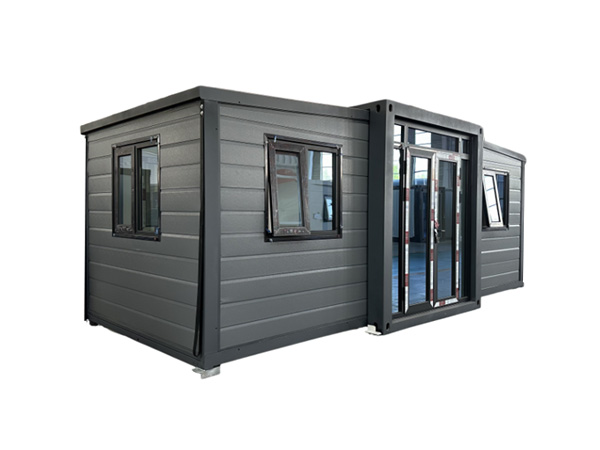
This 2026 timeline separates the phases that you control from the ones you wait on, and gives realistic ranges for a standard single-unit build sourced from a manufacturer like TLS Integrated Housing. Use it to set expectations with family, lenders, and contractors before the first weld.
Phase 1: Design and Specification (1–4 Weeks)
The clock starts when you confirm layout, finishes, insulation grade, and utility plan. Off-the-shelf models from a catalog can be specified in days; a customized expandable or folding unit with bespoke interiors may take three to four weeks of back-and-forth drawing and engineering sign-off. This phase is where most avoidable delays are born, so locking decisions early pays off.
Good suppliers return shop drawings, electrical schematics, and a foundation summary during this stage. Review them carefully—catching a misplaced door here saves a cut-and-weld later.
"The fastest builds we see are rarely the fastest factories. They are the clients who decided everything before production started."— Michael Brooks, Export Sales Engineer, TLS Integrated Housing
Phase 2: Manufacturing (2–6 Weeks)
Factory build time depends on complexity and order backlog. A standard folding or flat-pack container typically leaves the line in two to four weeks. A highly customized multi-room expandable home with integrated MEP can stretch to six weeks, especially during peak spring and summer demand.
Because the shell is built indoors under controlled conditions, this phase is the most predictable of the whole project. Weather does not stop production, and quality checks happen before the unit ever ships.
Phase 3: Shipping and Freight (1–6 Weeks)
Shipping is the phase buyers forget to budget time for. Domestic flatbed delivery may arrive in days; international ocean freight commonly runs three to six weeks plus port clearance. Folded expandable units help here by packing more homes per load, but customs and terminal handling still set the pace.
Build buffer into this stage and track the container number actively. A home sitting on a dock costs you schedule even though no one is building anything.
Phase 4: Foundation and Site Prep (1–3 Weeks)
Parallel to manufacturing, your site should be graded, permitted, and founded. Pier or ground-screw foundations can be ready in days; a poured slab needs excavation, pour, and cure, pushing toward three weeks. Starting site work while the unit is in production is the single biggest schedule win available to most buyers.
"We tell clients to pour or screw the foundation the day they pay the manufacturing deposit. Site and factory running in parallel is how a home lands ready to set."— Michael Brooks, Export Sales Engineer, TLS Integrated Housing
Phase 5: Installation and Set (1–5 Days)
Setting the unit is fast. A folded expandable house opens and anchors in a day with a small crew. A traditional container shell set on piers is similarly quick. The variable is connections: hooking water, sewer, and power, plus any decking or skirting, can add several days depending on local utility availability.
Phase 6: Fit-Out and Inspection (1–4 Weeks)
If you bought a turnkey finished unit, fit-out is minimal and inspection is a formality. If you bought a shell, this is where interior build-out, fixtures, and final inspections consume one to four weeks. This phase is the largest wildcard in total time and the most within your direct control through contractor scheduling.
Total Realistic Timeline by Scenario
Turnkey expandable, domestic: roughly 5–8 weeks from deposit to move-in.
Finished traditional shell, domestic: roughly 6–10 weeks.
Custom unit, international: roughly 10–16 weeks including ocean freight.
Shell only, owner-finished: add 3–6 weeks of local fit-out.
These ranges assume no permit surprises and parallel site work. Serializing the phases—waiting for the unit before starting the foundation—adds a month or more for no benefit.
What Slows Container Home Builds Down
Permit backlogs top the list, particularly where officials are new to container construction. Undecided customizations come next, as each change resets the factory clock. Shipping bottlenecks and utility connection delays round out the usual suspects. None are fatal, but all are predictable if you plan for them.
How to Compress Your Timeline
Finalize design before paying deposit—no mid-build changes.
Start foundation and permits the moment manufacturing begins.
Choose a finished or turnkey unit to skip on-site fit-out.
Use folded expandable formats to ship more units per load.
Pre-book utilities and inspections so nothing waits at the end.
"Every week you save is a week of rent you do not pay. The container method's real advantage is parallelism, not just factory speed."— Michael Brooks, Export Sales Engineer, TLS Integrated Housing
Conclusion
A container home can realistically be livable in as little as five weeks or as long as four months depending on customization, freight, and how well you run site and factory in parallel. The build itself is fast; the schedule killers are indecision and serialization. Plan the whole chain, not just the factory.
Want a Timeline Built for Your Site?
TLS Integrated Housing provides a phased schedule for every order, from specification through installation, and helps you run site prep in parallel with manufacturing. Contact our team to map a realistic move-in date for your container home project.