




How Long Do Prefab Container Homes Last? A Practical Durability Guide
2026-10-04 01:58:14
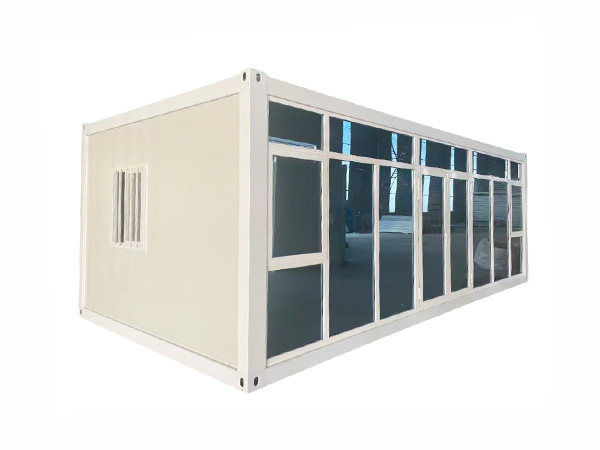
A shipping container is built to survive a decade or more at sea, stacked, salt-sprayed, and battered. So when it becomes a home, buyers reasonably ask: how long will it actually last? The honest answer is that a prefab container home can serve 25 to 50 years or more, but that range is earned, not automatic. Longevity hinges on corrosion control, foundation quality, and routine maintenance—the same factors that separate a home from a rusting shell. For buyers evaluating units from manufacturers like TLS Integrated Housing, this guide explains what really drives the lifespan.
The Steel Shell: Built to Endure
ISO containers use Corten (weathering) steel designed to form a stable oxide layer that slows further corrosion. In marine service, a container's useful life is often 15–20 years before heavy rust; as a stationary, sheltered home, that same steel can last far longer because it is no longer cycled through salt water and constant flexing.
"A container's sea life is the hard part. Once it is a home on a dry, ventilated base, the clock slows dramatically—if you respect the steel."— Sophia Bennett, Product Application Engineer, TLS Integrated Housing
What Shortens a Container Home's Life
The enemies are predictable. Trapped moisture against the steel—from poor ventilation, ground contact, or unsealed cut edges—causes rust from inside out. Ponding water on a flat roof or around the base accelerates the same process. Modifications that breach the protective coating without proper repainting open entry points for corrosion. None are inherent to containers; all are installation or maintenance failures.
Corrosion Prevention That Works
Keep the steel off the ground on piers, screws, or rails with airflow underneath.
Seal and repaint every cut edge and weld with marine-grade coating.
Maintain a slope and gutters so water never pools at the base or roof.
Insulate the interior face so condensation cannot form on cold steel.
Touch up coating at scratches before rust starts, not after.
"Most container rust we see is preventable with a paintbrush and a gutter. The steel is not the weak link; neglect is."— Sophia Bennett, Product Application Engineer, TLS Integrated Housing
Foundation and Structural Longevity
A stable, level foundation prevents the frame twist that stresses joints and seals. Ground screws and piers that keep the unit dry outperform a slab that traps moisture against the steel if not detailed. The foundation's real job for longevity is keeping the container dry and still.
Maintenance Cadence
Quarterly: clear gutters, check for standing water, inspect sealant at windows and fold seams.
Annually: touch up coating, verify anchors, check roof membrane.
Every 3–5 years: professional coating inspection, especially in coastal or humid zones.
Realistic Lifespan by Care Level
With minimal care, expect 25+ years of service. With active corrosion management and a good foundation, 40–50 years is realistic, and the steel shell can outlast the fit-out, which can be renewed. The practical limit is usually cosmetic and component fatigue—doors, seals, finishes—not structural collapse.
Extending Life Through Smart Spec
Buy galvanized or factory-primed frames, specify insulated and vapor-controlled walls, and choose a foundation that breathes. These decisions at purchase time do more for lifespan than any amount of later repair.
Conclusion
Prefab container homes are genuinely long-lived when treated as buildings, not as boxes. The 25-to-50-year range is real, and the upper end is reached through dry siting, coating discipline, and routine checks. Respect the steel and it will outlast the mortgage.
Spec a Home That Lasts Decades
TLS Integrated Housing builds container, expandable, and folding homes with galvanized frames, insulated assemblies, and corrosion-aware detailing. Talk to our team about specifying a unit engineered for a long, low-maintenance life.