




Folding Container House for Emergency Housing: A Rapid-Deployment Solution
2026-10-02 01:57:01
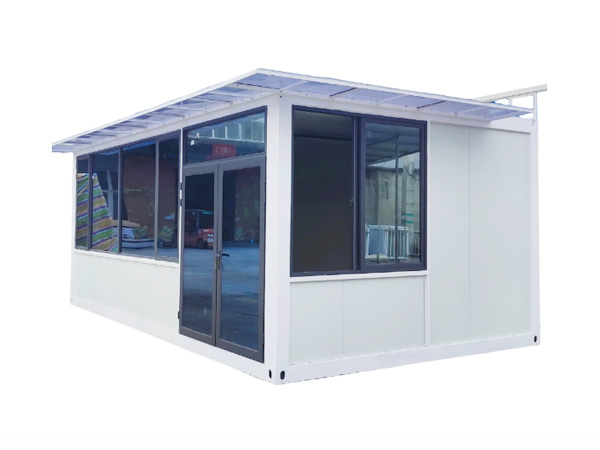
When disaster strikes, the clock is the enemy. Communities displaced by earthquakes, floods, or conflict need shelter that arrives fast, sets up without heavy equipment, and protects families from the next night's weather. The folding container house—also called a foldable container or collapsible shelter—has become a front-line answer because it ships flat and opens into a rigid, insulated dwelling in hours rather than days.
This guide explains why folding container houses fit emergency housing so well, how they perform under real relief conditions, what setup actually involves, and the specifications relief agencies should demand from manufacturers like TLS Integrated Housing before a crisis forces a rushed purchase.
Why Folding Container Houses Suit Emergencies
Three traits make the format ideal for rapid response. First, a folded unit is a fraction of its open volume, so a single truck or aircraft pallet carries far more shelters than rigid boxes. Second, the unit opens with basic tools and a small crew—no crane, no cutting, no concrete required for a temporary install. Third, the steel shell is inherently durable and secure compared with tents or fabric shelters.
"In the first 72 hours after a disaster, a folding unit that opens by hand beats a beautiful building that needs a crane. Speed is survival."— David Anderson, Structural Engineer, TLS Integrated Housing
Deployment Speed in Practice
A trained two-person crew can unfold and secure a standard folding container house in well under an hour once it is off the truck. Multiply that across a pallet of units and a village of shelters stands in a single day. Contrast this with traditional construction, which is measured in weeks even for temporary structures.
Speed depends on pre-planning: units should arrive with integrated wiring, lighting, and plumbing stubs so connection is plug-and-play. The fastest deployments pair folded shelters with pre-built foundation pads or ground screws driven on arrival.
Durability and Occupant Safety
Emergency shelter must survive wind, rain, and repeated handling. Folding container houses use galvanized steel frames and reinforced hinge channels rated for thousands of open-close cycles. Properly anchored, they resist the wind loads that shred tents, and their insulated panels keep occupants warmer and drier than fabric alternatives.
"A foldable steel shelter is not a tent upgrade—it is a different class of safety. It holds heat, locks securely, and stands up to weather that ends tent camps."— David Anderson, Structural Engineer, TLS Integrated Housing
Safety also means fire behavior and ventilation. Quality units include fire-rated panels and window egress; relief buyers should verify these rather than assume.
Setup: What the Crew Actually Does
Deliver folded unit to cleared, reasonably level ground.
Release locking pins and unfold side walls and roof via crank or pump.
Extend and lock the floor and brace the hinge channels.
Anchor to ground screws, blocks, or ballast as the site allows.
Connect pre-wired power and any plumbing stubs; place furniture.
No specialist certification is required for the mechanical unfold, which is exactly why the format scales during a staffing-limited response.
Off-Grid and Utility Considerations
Emergencies rarely come with functioning utilities. Folding shelters destined for relief should be specified with off-grid options: solar-ready wiring, battery banks, and composting or holding-tank sanitation. Even grid-tied units benefit from a solar-ready roof so power returns the moment panels arrive.
Limitations to Plan Around
Folding units are excellent temporary-to-medium-term housing but are not a permanent foundation solution without proper siting. Insulation must suit the climate, and a poorly anchored unit is still a wind risk. Relief agencies should standardize on a known model to simplify spare parts and training across deployments.
Specifying for Relief Procurement
Confirm fold-cycle rating and galvanized frame thickness.
Require insulated walls and a fire-rated panel certificate.
Standardize dimensions for transport and spare-part commonality.
Insist on pre-installed MEP stubs for fast connection.
Verify wind and snow load ratings for the target region.
Conclusion
The folding container house earns its place in emergency housing because it compresses the gap between need and shelter from weeks to hours. For relief agencies and governments building response stockpiles, the format's shipping density, hand-setup, and steel durability make it the pragmatic default for rapid deployment.
Build Your Rapid-Deployment Stockpile
TLS Integrated Housing manufactures folding and expandable container houses engineered for emergency and relief use, with off-grid-ready options and standardized spare parts. Contact our team to plan a deployable shelter package for your region.