




How Long Does It Take to Build a Container Home? A Realistic Timeline Guide 2026
2026-08-25 07:06:38
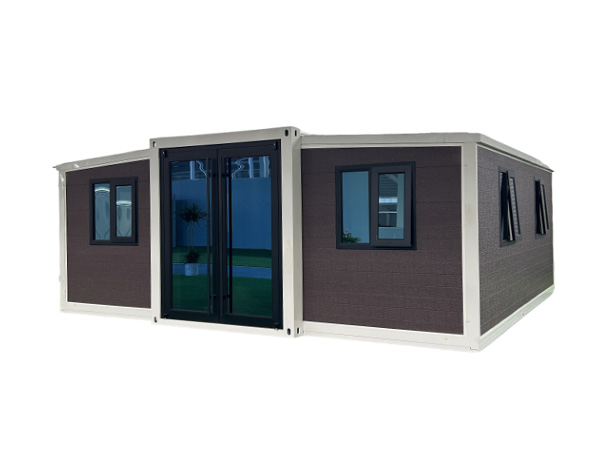
The biggest misconception I see in conversations with first-time container home buyers is that these buildings go up faster than conventional construction because they're "just prefab." The prefab advantage is real, but it's smaller than people expect in some phases and larger in others. Here's an honest breakdown of where the time actually goes, based on projects I've been involved with from inquiry to occupancy.
The Full Timeline: Phase by Phase
The total timeline from initial inquiry to first occupancy breaks down roughly into five phases. Some of these can run in parallel; others are sequential. Understanding which is which is the key to realistic planning.
Design and specification typically takes four to eight weeks. This is the requirements gathering, layout planning, material selection, and quotation process. For standard catalogue units, this can move faster — two to three weeks if the buyer knows exactly what they want. For custom specifications, eight to twelve weeks is not unusual, particularly if the design involves structural modifications or novel configurations.
Manufacturing takes six to fourteen weeks depending on order size and complexity. A single standard unit might be manufactured in four to six weeks. An order of ten units with custom specifications typically takes ten to sixteen weeks. The key variable is queue time at the factory — during peak periods, this can add four to six weeks to the manufacturing timeline. Always ask current lead times when you place an order; they vary seasonally.
Shipping and logistics varies the most of any phase and is the hardest to plan precisely. From a Chinese port to a European destination port, allow three to six weeks under normal conditions. To Australia or North America, four to eight weeks. Add port congestion time — which can add two to six weeks during peak periods — and customs clearance in the destination country, which ranges from a few days in countries with efficient customs processes to several weeks in others. Inland transport from the destination port to site adds another few days to two weeks depending on distance and road access.
Site preparation should happen during manufacturing and shipping — ideally, finishing just before the units arrive. In practice, many buyers underestimate how long site prep takes, and it becomes the critical path item. Foundation and leveling takes three to ten days depending on site complexity. Utility connections — power, water, sewage — take another five to fifteen days and requires coordination with local authorities or service providers. Allowing three to four weeks for site prep is prudent; four to six weeks is safer for sites with limited existing infrastructure.
Installation and commissioning is where the prefab advantage is most visible. A single unit takes one to two days to position, unfold or stack as applicable, level, and connect to utilities. Multiple units take proportionally longer. Commissioning — HVAC startup, electrical verification, plumbing pressure testing — takes another day or two per unit. For a single unit, installation and commissioning typically takes three to five days. For a ten-unit camp, allow two to three weeks.
Realistic Ranges for Different Scenarios
For a single standard unit ordered from catalogue specifications and shipped to a road-accessible site in Europe or North America: expect twelve to twenty weeks from order confirmation to first occupancy. Four to eight weeks of that is the total shipping and logistics time. The manufacturing is typically four to six weeks for a single unit.
For a custom multi-unit commercial deployment — a ten-unit glamping site or a twenty-person work camp — allow twenty to thirty-six weeks. Design and specification for custom commercial projects takes longer because multiple stakeholders are involved and approvals are required. Manufacturing is eight to fourteen weeks for a large custom order. Logistics and installation are similar to the single-unit case, but site preparation for commercial projects is typically more complex.
For a fully custom designed residential project — a unique architectural design using multiple containers in a non-standard configuration — eighteen to forty-eight weeks is the realistic range. The design phase alone can take twelve to twenty-four weeks if it involves an architect, structural engineers, and permit submissions. This is where container homes most closely resemble conventional construction in terms of timeline, because the customization level approaches that of a custom conventional build.
Where Delays Actually Happen
Shipping delays are the most common and least predictable source of timeline slippage. Port congestion, weather at sea, customs delays, and inland transport issues can each add weeks that are difficult to predict and impossible to prevent. Building a four to six week buffer into shipping timelines is standard practice for anyone experienced with international logistics.
Site preparation running behind is the second most common cause of delays. This happens when site prep starts too late — after the units have already shipped — or when unexpected ground conditions (rock, poor drainage, difficult access) extend foundation work beyond initial estimates. The fix is straightforward: start site prep early, before manufacturing is even confirmed, and build in extra time for ground conditions you're not sure about.
Permit delays vary enormously by jurisdiction. In regions with established container-friendly building codes, permit processing is routine. In regions where every container project is reviewed as a novel case, the timeline can stretch from weeks to months. The mitigation is to engage with the permitting authority early — ideally before finalizing your order — and to get a realistic timeline in writing from them.
What You Can Do to Stay on Schedule
Start site prep before you confirm your order, not after. The manufacturing and shipping timeline gives you several months; use that time to have the site ready before the units arrive.
Lock in your specifications early. Changing specs after manufacturing has started causes the most expensive delays. A mid-production change in insulation type or window specification can require rework that adds weeks to the manufacturing timeline and significant cost to the project.
Build relationships with your logistics provider and understand the full chain. Many delays happen at the hand-off points — port to inland transport, for example — where communication gaps between parties cause containers to sit waiting rather than moving. A logistics provider who gives you proactive updates is worth paying a premium for.