




Container Homes for Glamping: A Complete Operator's Guide 2026
2026-08-27 07:35:43
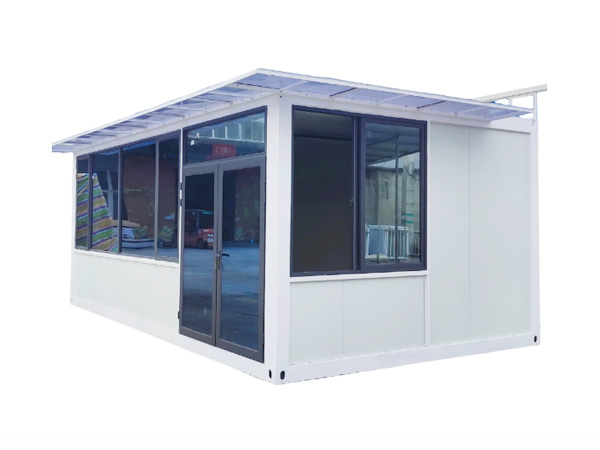
The glamping market has grown significantly over the past decade, and container homes have become one of the most practical accommodation formats for operators entering the space. I've worked with enough glamping operators to know what separates the ones who build waitlists from the ones who struggle to fill rooms — and it's rarely about the location alone. This guide covers what operators actually need to think through before placing an order, based on what I've seen go right and wrong in the field.
Why Container Homes Work Well for Glamping
The fit between container homes and glamping is natural in ways that took the market a while to fully recognize. Glamping guests are paying premium prices for a distinctive experience — they're not looking for a budget hotel room in a natural setting, and they're not looking for the full discomfort of traditional camping. They're looking for something in between: the comfort and design quality of a hotel, with the atmosphere and connection to place that conventional hotels can't deliver.
Container homes deliver this combination naturally. The industrial aesthetic — the honest steel, the corrugated profile, the form factor that is unambiguously a building — reads as intentional and designed. Guests who choose container glamping are choosing it because they find that aesthetic appealing, not in spite of it. That alignment between expectation and reality is the foundation of good guest reviews.
The practical advantages reinforce the aesthetic ones. Containers are quick to deploy, which matters when you want to open for a season and start generating revenue. They're relocatable, which means you can reposition units as you learn what your site layout works best for. They're robust enough to stand up to the weather in most locations without the maintenance complexity of timber structures. And they're modular — you can start with four units and add four more as your business grows.
Choosing the Right Container Unit for Your Site
The size decision is more nuanced for glamping than for residential use. Larger isn't automatically better — a unit that's too large for the price point creates a margin problem, and a unit that's too small for the expectation creates a guest experience problem.
The 20ft high cube unit is the sweet spot for most glamping operators. At approximately 149 square feet, it delivers genuine livability — a proper bed, enough floor space for a small sitting area, and a bathroom — without the price point becoming so high that the nightly rate is hard to justify. In the right location with good design, a well-specified 20ft glamping unit commands nightly rates of $120 to $200 in North America and Europe.
The 40ft unit works better for premium glamping — where you want to offer something genuinely exceptional and charge accordingly — or for family glamping, where a couple and two children need more than a single room. At 303 square feet, it has enough space for a proper living area, a full bedroom, and a generous bathroom. Nightly rates of $200 to $350 are achievable with the right presentation and location.
The 30ft unit is the underutilized option in glamping. At around 226 square feet, it crosses the comfort threshold for two adults and gives enough separation between sleeping and living areas to feel genuinely spacious without the premium price of a 40ft unit. For operators who want to offer something more than the standard 20ft glamping pod but are concerned about the jump to 40ft pricing, the 30ft is worth serious consideration.
The Design Choices That Drive Guest Reviews
The single biggest mistake new glamping operators make is ordering basic specification units and hoping the location does the selling. The location matters enormously — but it's the design quality of the unit and the surrounding setup that converts site visitors into booked guests on the first impression.
Exterior presentation is the first thing guests see. A container unit with raw corrugated steel and no exterior treatment looks like a construction site. Cladding changes this entirely: timber cladding gives warmth and natural integration with a rural setting; dark composite cladding gives a contemporary luxury feel that photographs beautifully; a mix of materials creates a more layered, interesting visual. The exterior design is where most of the "wow factor" of a container glamping unit lives, and it's worth investing in.
Interior comfort matters more than most operators realize going in. Guests are comparing container glamping to everything from safari tents to boutique hotels, and they're assessing comfort on the same terms. Quality mattress (not the budget option), effective heating and cooling (not the cheapest HVAC unit the manufacturer offers), good lighting design (not just a ceiling bulb), and reliable hot water are non-negotiable. Every guest complaint I've seen at container glamping sites traces back to one of these four: uncomfortable bed, too hot or too cold, poor lighting, or unreliable hot water.
Outdoor deck and view framing is one of the highest-return investments in glamping container setup. A well-designed deck extends the usable living space of the unit into the landscape. The view from the bed through a wall of glass sliding doors, framed by a timber deck and a view of the surrounding landscape, is the photograph that sells the experience to the next guest. Budget accordingly for this; the return is measurable in booking conversion.
Site Design: Units Are Part of a Larger Experience
The most successful container glamping sites I've worked with treat the units as individual elements of a larger designed experience, not just individual accommodation rooms. Path lighting, landscaping between units, communal fire pit areas, and thoughtful positioning relative to views and sun exposure all contribute to the guest experience in ways that the unit specification alone doesn't.
Privacy between units matters more than operators often realize until they've had a complaint about it. Minimum spacing of eight to ten meters between units, with landscaping or topography used to break sight lines, makes a meaningful difference to how private each unit feels.
Accessibility for all guests is an increasingly important consideration. If your target market includes older guests, families with young children, or guests with mobility considerations, a single-step entry container unit with wider doorways and bathroom grab rails is worth specifying from the start — it's far less expensive to include these in the original order than to retrofit later.
Regulatory Considerations for Glamping Operators
Planning regulations for glamping vary enormously by country, state,
and even municipality, and this is one of the areas where new operators
most consistently underestimate the complexity involved. Before ordering
units, understand what approvals are required for the type of glamping
operation you're planning.
In many jurisdictions, temporary glamping structures face lighter regulation than permanent accommodation buildings. Container units that are not fixed to permanent foundations may be classified differently from buildings, which can reduce permitting requirements and costs. Understanding this distinction — and what it means for your specific site — before ordering units can prevent significant problems later.
Waste water management, fire safety requirements, and emergency access are common regulatory requirements that need to be addressed in site design regardless of jurisdiction. Building these into your site plan from the start is cheaper and more effective than retrofitting them later.