




Container Home vs Mobile Home: Which Is the Better Choice in 2026?
2026-08-23 05:16:51
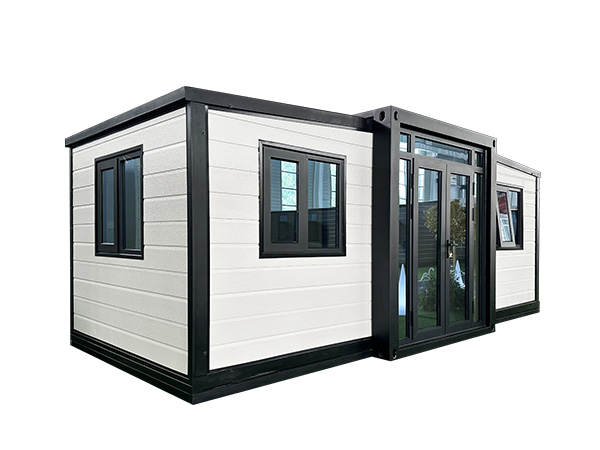
I get asked this question a lot, and the honest answer is that it depends on what you're actually trying to achieve. Mobile homes and container homes are both forms of prefabricated relocatable housing, and they overlap in some applications — but they have fundamentally different characteristics that make one or the other clearly better depending on your priorities. This comparison is the framework I use when I'm helping someone work through the decision.
What Each Type Actually Is
A mobile home — sometimes called a manufactured home or trailer, depending on where you're based — is a house that was designed to be mobile from the start. Modern mobile homes are built to the HUD code in the United States or equivalent standards elsewhere, which regulates design, construction, fire safety, and energy efficiency. They come in sections that are transported to site and joined together. They are designed to be moved, though most are not moved frequently after initial installation.
A container home repurposes a steel shipping container as the structural frame of a building. The container's original cargo-transport purpose gives it a different structural character than a mobile home — a steel monocoque frame versus a timber or steel stud frame with a lightweight skin. The container home is built around the container, not independently of it.
This distinction matters more than the marketing for either type tends to acknowledge.
Durability: Where the Difference Is Most Visible
Container homes are significantly more durable than mobile homes. A steel shipping container frame is designed to be stacked seven units high in a cargo hold, handle ocean transit, and survive decades of use. A mobile home frame is designed for periodic transport on roads and is not engineered for the same structural loads.
In high wind areas — hurricane-prone regions, exposed coastal sites — this difference matters substantially. Container homes have survived hurricane-force winds in ways that mobile homes cannot. The structural integrity of the steel frame is simply in a different category. For deployments in tropical storm zones or exposed sites, container homes are the more appropriate choice.
In terms of longevity, a well-maintained container home lasts fifty to seventy-five years. A well-maintained mobile home typically lasts twenty-five to thirty years. Both are dependent on maintenance quality, but the baseline durability of the container frame gives it a longer expected lifespan.
Cost: Direct and Indirect
Mobile homes generally have a lower initial purchase price than container homes of comparable interior size. A new single-wide mobile home in the United States starts around $50,000 to $80,000. A comparable fully equipped prefab container home typically starts around $25,000 to $45,000 for a basic 20ft unit but can go substantially higher depending on specifications — so at the entry level, mobile homes may be cheaper, but quality container homes are competitive with or less expensive than comparable mobile homes.
The indirect cost picture changes the comparison. Mobile homes depreciate like vehicles — they lose value over time and are notoriously difficult to resell at anything close to their original price. Container homes, built on a steel frame with genuine durability, tend to hold their value better and can be resold at prices closer to their replacement cost.
Both require land to place on, and both require foundation preparation. The foundation cost for a mobile home is typically lower (it's designed for pier and footing systems) than for a container home, where the foundation needs to handle a heavier structural load — though ground screws have brought this difference down substantially.
Customization and Flexibility
Container homes offer substantially more customization potential. Because the structure is a steel frame, you can combine multiple containers in almost any configuration — side-by-side, stacked, elevated on pilotis, with connecting walkways and bridges. The steel frame handles modifications (window openings, door cuts, structural modifications) more robustly than a mobile home frame, which is designed for standard openings only.
Mobile homes come in standard configurations with limited customization options. The interior layout is predetermined by the factory's standard designs, and modifications are expensive and limited. If you want something other than the standard floor plan, a mobile home is probably not the right choice.
For buyers who want a unique design, a specific layout, or a building that reflects a particular aesthetic, container homes win clearly. For buyers who want a standard, functional home at a predictable price and don't have strong aesthetic preferences, a mobile home may be more practical.
Where Each Makes More Sense
Mobile homes make more sense when budget is the absolute constraint and the site is in a temperate climate without significant extreme weather risk. They also make sense when the buyer wants a quick, predictable process: find a dealer, choose a model, arrange site preparation, and move in — without the project management complexity that any custom or semi-custom building involves.
Container homes make more sense when durability and longevity are priorities, when the deployment site has challenging climate conditions, when customization and design quality matter, or when the building is intended as an investment property with good resale characteristics. They also make more sense for commercial applications — glamping, hospitality, remote site accommodation — where the distinctive aesthetic and structural robustness provide genuine commercial value.
The Bottom Line
For most buyers who are comparing these options seriously — not just browsing — the deciding factors tend to be design expectations, long-term plans for the property, and the specific site conditions. A buyer who wants a reliable, long-lasting home with genuine design flexibility and is willing to manage a slightly more complex procurement process will generally be better served by a container home. A buyer who wants the simplest possible path to a roof over their head at minimum cost will often find a mobile home more accessible.