




Container Home Certifications, Standards, and Building Codes: A Global Overview 2026
2026-09-02 08:13:20
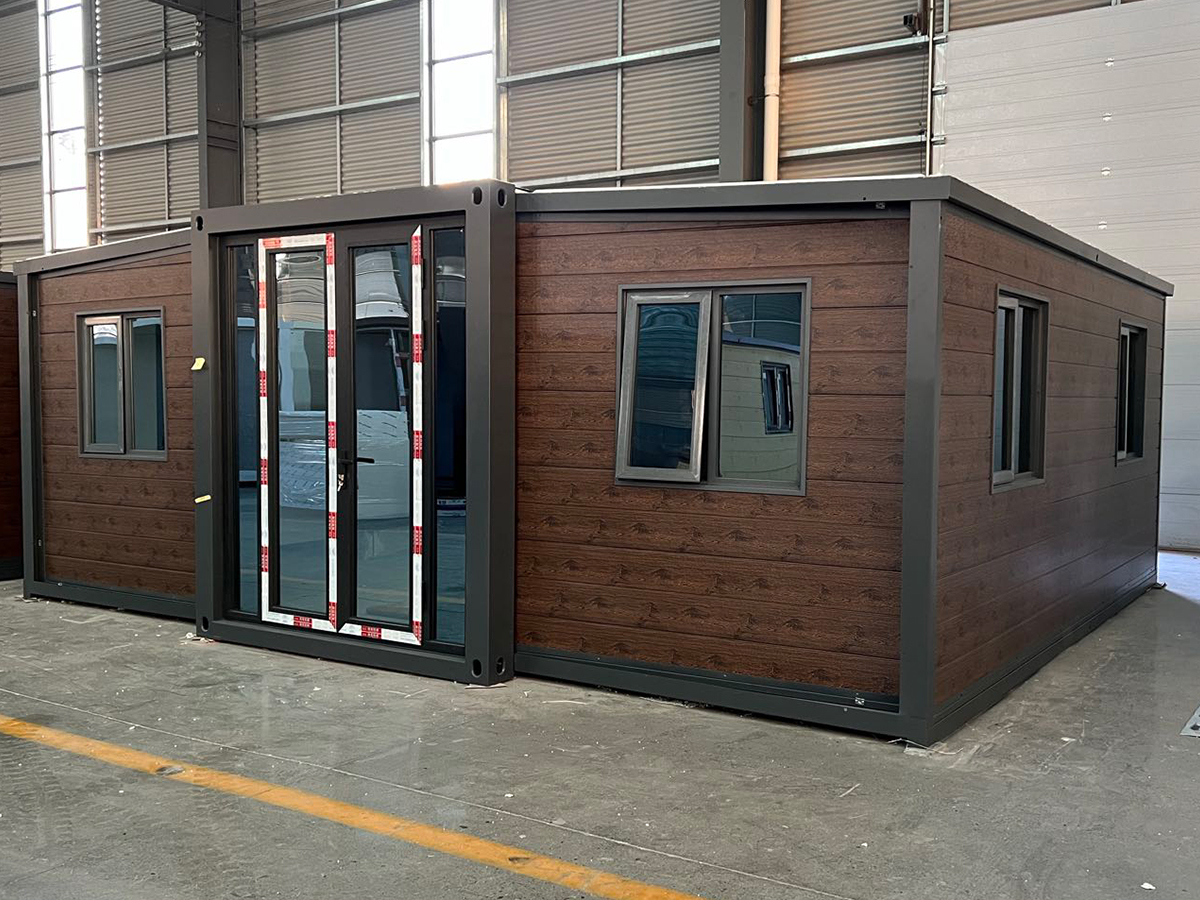
The regulatory landscape for container homes varies so dramatically by country and even by municipality that writing a comprehensive global guide is nearly impossible. What I can do is explain the main certification and standards frameworks that buyers encounter, give a sense of how different regions approach container home regulation, and offer practical advice on how to navigate the approvals process wherever you're building. This article is that attempt.
The Core Certifications: What They Mean and Why They Matter
CE marking is the certification required for products sold within the European Economic Area. For container homes and modular buildings, it indicates conformity with the relevant EU Construction Products Regulation standards for structural performance, fire safety, energy efficiency, and hazardous substance content. CE marking is not a quality stamp — it's a regulatory compliance declaration. A CE-marked product meets the minimum standards required for legal sale in the EU. There are well-made and poorly-made CE-marked products, just as there are high-quality and low-quality products in any category.
ISO 9001 is a quality management system certification. Companies with ISO 9001 certification have documented processes for design, manufacturing, quality control, and customer service. It doesn't guarantee product quality directly, but it indicates that the company has systems in place to manage quality consistently. For international buyers evaluating suppliers, ISO 9001 certification is a useful filter — suppliers who haven't invested in basic quality management system certification are harder to vet and more likely to have quality inconsistencies.
ISO 14001 is an environmental management system certification. It's less directly relevant to product quality than ISO 9001, but for buyers with environmental compliance requirements — development organizations, government agencies, companies with environmental commitments — ISO 14001 can be a meaningful differentiator.
The ISO Standards That Apply to Shipping Containers
Shipping containers themselves are governed by a set of ISO standards that regulate their dimensions, structural performance, and ratings. Understanding these helps explain why certain container specifications are standard and others are not.
ISO 668 defines the standard series lengths for containers: 10ft, 20ft, 30ft, and 40ft are the standard lengths. Any other length is a custom manufacturing — not impossible, but not standard and therefore more expensive. The height classifications are 8.6ft (standard cube) and 9.5ft (high cube).
ISO 1496 defines the structural performance requirements for containers — the stacking loads, racking loads, and strength tests they must pass. A container built to ISO 1496 is structurally certified for cargo use. When that container is repurposed as a building, it brings that structural certification with it.
CSC plating — the Convention for Safe Containers plate — is the safety certification that indicates a container is safe for cargo transport. Every container used for international shipping must have valid CSC plating. Retired containers should have their CSC plate examined carefully; containers with expired CSC plating have been taken out of international cargo service, which is why they're available for building applications.
Regional Building Code Approaches
The European Union has the most developed regulatory framework for modular and prefabricated buildings. The Construction Products Regulation sets the performance standards, and CE marking is mandatory for products covered by harmonized European standards. Within this framework, individual member states maintain their own building regulations, which set the actual requirements for buildings in each country. Germany, France, the Netherlands, and the UK all have established pathways for container and modular construction that are reasonably well-understood by experienced suppliers.
The United States has a two-tier system: the HUD code governs manufactured homes (which includes some prefab structures but not all container homes), while local building codes govern site-built and some prefab construction. Container homes are typically treated as conventional buildings at the state and local level, subject to the International Residential Code or International Building Code depending on occupancy type and size. This means the permit pathway varies by state and even by county — a container-friendly jurisdiction in Oregon processes these applications routinely, while a jurisdiction with no established pathway may treat every application as a novel case.
Australia has the National Construction Code as the federal framework, with states and territories adopting and adapting it. Container homes have an established presence in Australia, and most states have reasonable pathways for approval. The housing affordability pressure in major cities has driven regulatory interest in prefabricated construction, which has made authorities more familiar with and generally more favorable toward container-based approaches.
The United Kingdom uses the Building Regulations system, with Approved Documents setting specific performance requirements. Container homes are treated as conventional buildings under the regulations, subject to the same requirements for structure, fire safety, thermal performance, and electrical safety. The planning system adds an additional layer — planning permission is required for most new dwellings, and the criteria are applied case-by-case. Container homes have been approved in sufficient numbers that experienced suppliers can navigate the process reasonably predictably.
How to Navigate the Approvals Process
The most important thing I can tell anyone building a container home is: start the approvals conversation early, before you've finalized your order and certainly before you've committed money. Understanding what your local authority will require — and how long they'll take to process it — affects your timeline significantly, and discovering regulatory gaps after you've ordered units is an expensive problem to have.
Most building authorities will do a pre-application consultation for a modest fee. This is the right way to understand the requirements for your specific site and project type. Ask specifically about foundation requirements (some jurisdictions treat container buildings differently from conventional buildings for foundation purposes), fire safety requirements (sprinkler requirements, fire separation distances, smoke alarm specifications), and thermal performance requirements (insulation minimums, window performance).
Engaging a structural engineer early is essential in most jurisdictions. The engineering drawings required for a container home permit submission are specific to container construction — a structural engineer who has done container projects before will know exactly what's required and how to present it. Engineers without container experience often produce conservative or unnecessarily complex designs. Finding an experienced engineer is worth the effort.
Documentation from the manufacturer matters. A quality supplier can provide structural calculations, material specifications, thermal performance data, and fire safety documentation in forms that are recognizable to building officials. Suppliers who can only provide marketing materials and catalogue specifications create extra work at the permitting stage — sometimes enough work to delay or block approval.
The Development Project Exception
For buyers ordering container homes as part of international development projects, humanitarian deployments, or government-funded infrastructure programs, the regulatory framework is often different — and simpler. Development organizations and government aid agencies typically have their own standards frameworks, which may accept internationally recognized certifications (CE marking, ISO standards) without requiring compliance with the destination country's building code. This is worth understanding if you're working in the development sector — the product standards may be more familiar than you expect, while the logistics and procurement requirements are more complex.