




Container Houses vs Traditional Homes: Key Differences
2026-02-25 08:51:43
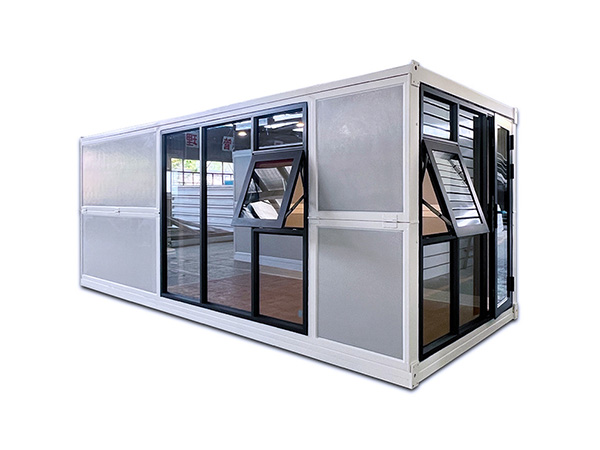
What Are Container Houses?
Container houses are prefabricated modular buildings created from steel container-based structures and engineered frames. Most of the construction work happens in a factory environment, where insulation, electrical systems, plumbing, windows, doors, and interior finishes are installed during production.
After manufacturing, the units are transported to the project site and assembled with minimal on-site labor. Multiple container houses can be combined, stacked, or arranged into customized layouts for residential communities, workforce housing, offices, or temporary accommodation.
Unlike traditional homes, container houses are designed for mobility, scalability, and industrialized construction efficiency.
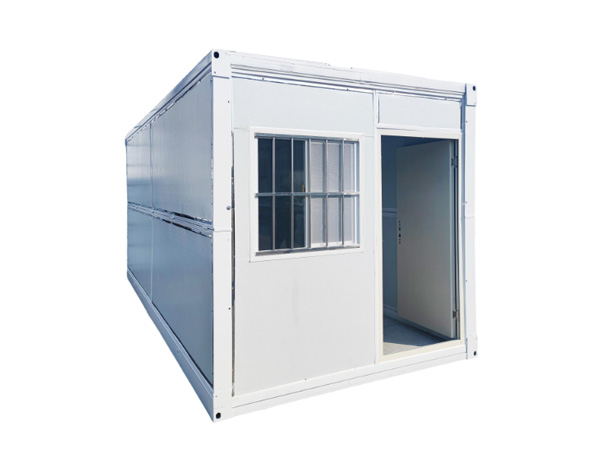
What Are Traditional Homes?
Traditional homes are built almost entirely on site using materials such as concrete, bricks, wood, and steel. The construction process follows a linear workflow: foundation, framing, roofing, exterior walls, interior finishes, and utility installation.
Because all activities occur outdoors, traditional homes are affected by weather conditions, labor availability, and site complexity. While traditional homes allow design freedom, they usually require longer timelines, higher labor input, and less predictable schedules compared with modular construction.
Construction Process Comparison
Container Houses Construction
Container houses use off-site production. Steel frames, wall panels, floors, and roofs are assembled on standardized production lines. Electrical wiring, plumbing, insulation, and finishes are installed before shipment. From a manufacturer perspective, this factory-based process ensures quality consistency and efficient bulk supply for large projects.
Site preparation and unit production happen in parallel. Once delivered, container houses are lifted into place and connected within days instead of months.
Traditional Homes Construction
Traditional homes depend on sequential on-site building. Each stage must finish before the next begins, which increases project duration. Weather delays, labor shortages, and material waste are common challenges.
Compared with container houses, traditional homes usually require more manpower, longer schedules, and higher on-site coordination effort.
Structural and Design Differences
Structure of Container Houses
Container houses rely on steel frame systems with insulated wall panels and engineered connections. This provides strong load-bearing capacity, resistance to wind and seismic forces, and long-term durability. Because modules are standardized, performance remains consistent across units.
Layouts can be expanded vertically or horizontally, allowing container houses to adapt to changing project requirements.
Structure of Traditional Homes
Traditional homes use reinforced concrete, masonry, or wood framing built piece by piece on site. Structural performance depends heavily on workmanship and site conditions. While customization is flexible, quality consistency can vary from project to project.
In comparison, container houses benefit from controlled production and repeatable structural standards.
Cost and Time Efficiency
Container Houses Efficiency
Container houses significantly reduce construction time. Factory production shortens schedules by allowing parallel workflows, while compact transport and fast installation lower labor costs. Material waste is minimized during production, which helps control budgets.
For large developments, batch production allows predictable pricing and stable delivery for container houses.
Traditional Homes Efficiency
Traditional homes usually take longer to complete. On-site labor, weather risks, and extended schedules increase project cost and uncertainty. Material waste and rework are more common.
Although traditional homes may offer a familiar building style, they generally lack the time and cost efficiency advantages of container houses.
Flexibility and Scalability
Flexibility of Container Houses
Container houses are modular. Units can be added, relocated, stacked, or reconfigured as project needs change. This makes them ideal for phased developments, temporary housing, workforce camps, and fast urban projects.
Their mobility and repeatable design allow container houses to scale easily from small projects to large housing programs.
Flexibility of Traditional Homes
Traditional homes are fixed structures. Once built, changes are costly and time-consuming. Expanding a traditional home often requires demolition and reconstruction.
Compared with container houses, traditional homes provide less adaptability for future development.
Sustainability and Environmental Impact
Sustainability of Container Houses
Container houses reduce on-site disturbance and material waste because most work is done in factories. Energy-efficient insulation and standardized components improve thermal performance and reduce long-term energy consumption.
The industrial production model supports better resource management and environmentally responsible construction.
Sustainability of Traditional Homes
Traditional homes consume more resources during on-site building. Material waste, longer schedules, and repeated transportation of materials increase environmental impact.
While sustainable designs are possible, traditional construction generally requires more effort to achieve the same efficiency level as container houses.
Production Capacity and Bulk Supply
Container houses are manufactured on standardized assembly lines. During production, steel processing, welding, panel installation, and system integration are completed before shipment. This industrial workflow ensures stable quality and repeatable performance.
For large projects, batch production supports consistent specifications, faster turnaround, and controlled inspection. From a supply standpoint, container houses are suitable for residential communities, workforce housing, and public infrastructure programs that require reliable volume delivery and scalable manufacturing capability.
Traditional homes, by contrast, depend on site-by-site construction, which limits speed and volume consistency.
Which Is Better for Modern Projects?
Choosing between container houses and traditional homes depends on project goals. Traditional homes suit permanent, customized developments with flexible timelines. However, modern projects increasingly require speed, scalability, and predictable budgets.
Container houses meet these needs by combining industrialized production with architectural flexibility. They support rapid deployment, cost control, and future expansion without sacrificing durability or comfort.
For developers, planners, and institutions working under tight schedules, container houses often provide a smarter and more efficient solution.
Conclusion
Container houses offer a modern alternative to conventional building methods. Compared with traditional homes, container houses deliver faster construction, controlled costs, scalable layouts, and environmentally responsible performance. With factory-based production, strong structural systems, and bulk supply capability, container houses meet the demands of residential, commercial, and institutional projects alike.
As housing needs continue to evolve, choosing container houses means investing in flexibility, efficiency, and long-term value. The future of modern construction is increasingly shaped by the innovation and performance of container houses.
References
GB/T 7714:Zohourian M, Pamidimukkala A, Kermanshachi S, et al. Modular Construction: A Comprehensive Review[J]. Buildings, 2025, 15(12): 2020.
MLA:Zohourian, Mohammadamin, et al. "Modular Construction: A Comprehensive Review." Buildings 15.12 (2025): 2020.
APA:Zohourian, M., Pamidimukkala, A., Kermanshachi, S., & Almaskati, D. (2025). Modular Construction: A Comprehensive Review. Buildings, 15(12), 2020.