




What are the fire prevention measures for container houses?
2026-02-04 10:37:06
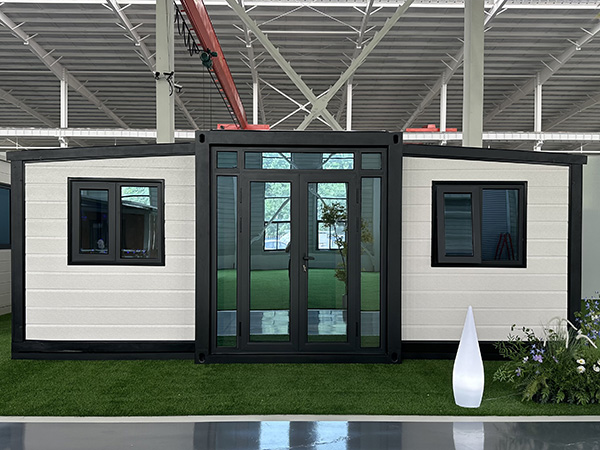
Container houses are steel-structured modular buildings,with fire risks mainly coming from steel frame fire vulnerability,electrical faults,and flammable decoration materials—fire prevention focuses on structural fire protection,electrical safety,flammable material control,and fire emergency preparation.Below are systematic,actionable fire prevention measures,applicable to all scenarios(dormitories,homestays,offices,residences)and compliant with building fire safety norms:
1.Structural&Material Fire Protection(Fundamental Prevention)
The steel frame of container houses loses load-bearing capacity at high temperatures(≥500℃),so structural fire protection and non-combustible material selection are the core:
Steel frame fire retardant treatment:Spray fire-retardant coating(Class B or higher)on the whole steel frame(key parts:beams,columns,base,splicing joints)to extend the fire resistance time to 1–2 hours;for stacked/spliced container houses,add fire-resistant partition boards between units.
Non-combustible interior/exterior materials:Use fireproof gypsum board,cement fiber board for interior walls/ceilings(instead of flammable wood panels);choose fire-retardant paint,anti-corrosion coatings with low fire risk for exterior walls;avoid flammable thermal insulation materials(use rock wool,glass wool instead of polyurethane foam with poor fire resistance).
Wet area waterproofing:Adopt non-combustible waterproof materials for kitchens/washrooms;avoid laying flammable floor mats/carpets in high-risk areas(kitchen,power distribution room).
2.Electrical System Fire Safety(Key to Reducing Hidden Risks)
Electrical short circuits/overloads are the top fire cause of container houses—strictly standardize electrical layout and use:
Standard wiring&high-quality components:Use fire-resistant copper core wires(PVC pipe threading for concealed installation);install a qualified power distribution box with leakage protection,overcurrent protection and short-circuit breakers;all sockets,switches and wires meet national fire safety standards(reject inferior products).
Avoid overload use:Reserve dedicated high-power sockets(16A)for air conditioners,water heaters and other large appliances(independent circuits);do not connect multiple high-power devices to one socket,and ban random wiring/socket extension cords.
Regular electrical inspection:Check wires for aging,cracking or exposed cores(replace immediately if found);test leakage protection switches monthly;keep the power distribution box dry and well-ventilated(no sundry stacking).
3.Daily Use Fire Management(Avoid Human-Caused Fires)
Standardize daily operation to eliminate fire hazards from improper use,especially for high-flow scenarios like construction site dormitories:
Ban open fire in key areas:Prohibit using liquefied gas stoves,electric stoves and open fire cooking in closed container units(set up an independent fireproof kitchen for collective use if needed);ban smoking in bed and random burning of garbage near container houses.
Control flammable items storage:Do not store gasoline,alcohol,paint and other flammable and explosive materials in container houses;store a small amount of daily flammables(e.g.,alcohol)in sealed fireproof boxes.
Safe use of heating equipment:In cold areas,use electric heaters with overheat protection(keep a safe distance from curtains,bedding and other flammables);ban using inferior electric blankets or leaving them on for a long time.
4.Fire Fighting Facilities&Emergency Preparation(Rapid Response)
Equip complete fire fighting equipment and clear emergency channels to minimize fire losses:
Standard fire fighting equipment configuration:Install ABC dry powder fire extinguishers(4kg or above)(1 set for 20ft container,2 sets for 40ft/spliced units)in obvious and easy-to-reach positions;install smoke alarms and fire emergency lights(for closed/multi-layer container houses);set up fire sand buckets and fire blankets near kitchens(if equipped).
Clear fire escape channels:For stacked/spliced container buildings,reserve unobstructed fire escape stairs and channels(width≥1.2m);do not block door/window exits with sundries;mark fire escape routes and equipment positions with obvious signs.
Fire emergency plan&training:For collective use scenarios(construction site dorms,homestays),formulate a simple fire emergency plan;conduct regular fire safety training for users(teach fire extinguisher use,escape methods and alarm procedures);ensure all users know the nearest fire hydrant and alarm number(119).
5.Special Fire Prevention for Spliced/Stacked Container Houses
Multi-unit combined container houses have higher fire risks—add targeted protection measures:
Fire separation between units:Install fire-resistant partition walls(fire resistance≥1 hour)between adjacent container units to prevent fire spread;set up fire shutters or fire doors for connecting passages.
Increased ventilation&fire monitoring:Add smoke alarms on each floor/unit(interconnected if possible);install mechanical ventilation systems to avoid flammable gas accumulation(for areas with gas use).
Load-bearing&evacuation reinforcement:Reinforce the fire escape stairs and handrails(meet load-bearing requirements);ensure the second/third floor has two independent escape exits(e.g.,windows with escape ladders for emergency).
Core Fire Prevention Taboos
Do not modify the steel frame randomly(drill holes/cut beams)or remove fire protection components;
Do not use flammable decoration materials to cover electrical components or fire fighting equipment;
Do not block fire escape channels,smoke alarms or fire emergency lights;
Do not overload the electrical system or use inferior electrical appliances/wires.
In summary,fire prevention for container houses follows the principle of"prevention first,combination of prevention and fire fighting"—through standardized structural treatment,strict electrical management,standardized daily use and complete emergency facilities,most fire hazards can be eliminated.For collective use scenarios(e.g.,construction site dormitories),regular fire safety inspections and training are essential to ensure the safety of personnel and property.
References
GB/T 7714:Duan J, Liu J, Wei J, et al. Experimental research on the fire resistance of columns in container-style steel modular buildings[J]. Scientific Reports, 2025, 15(1): 38777.
MLA:Duan, Jintao, et al. "Experimental research on the fire resistance of columns in container-style steel modular buildings." Scientific Reports 15.1 (2025): 38777.
APA:Duan, J., Liu, J., Wei, J., Wu, H., & Gao, S. (2025). Experimental research on the fire resistance of columns in container-style steel modular buildings. Scientific Reports, 15(1), 38777.