




How to replace the damaged parts of container houses?
2026-02-04 10:38:30
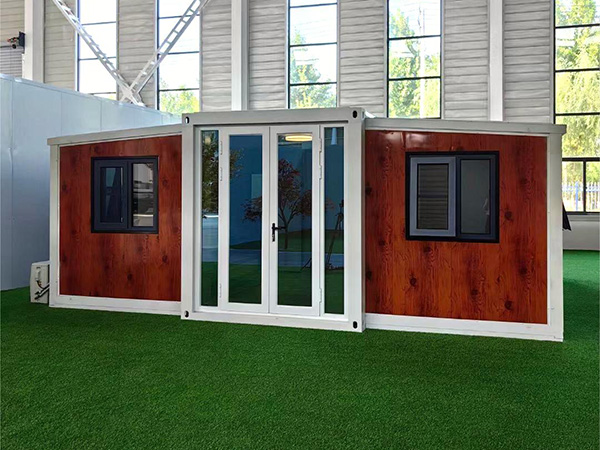
Replacing damaged parts of container houses follows the principle of "classify parts, standardize operation, seal and reinforce after replacement"—most common damaged parts (hardware, panels, pipes, doors/windows) can be replaced with basic tools by ordinary maintenance personnel; only structural steel frame damage needs professional welding/reinforcement. Below is a detailed, step-by-step replacement guide for common damaged parts, covering preparation, operation and post-repair checks, applicable to all container house scenarios:
Pre-Replacement Basic Preparation
Confirm damage & match parts: First check the damaged part type (e.g., rusted door hinge, cracked wall panel, leaking water pipe) and model/specification (e.g., standard 20ft container aluminum alloy window, 16mm PE water pipe); use original matching parts (or national standard universal parts) to ensure size and installation compatibility.
Prepare tools & materials: Prepare basic tools (wrench, screwdriver, hammer, tape measure, electric drill) and auxiliary materials (neutral silicone sealant, anti-corrosion paint, self-tapping screws, waterproof tape, rubber gaskets); for steel structure repair, prepare welding machine, sandpaper and fire retardant coating.
Safety protection: Cut off the main power supply (for electrical/wall panel replacement) and close the water inlet valve (for water pipe/washroom parts replacement); place a protective mat to avoid secondary damage to the container house during operation.
Step-by-Step Replacement for Common Damaged Parts
1. Small Hardware & Sealing Parts (Most Common: Hinges, Locks, Sealing Strips)
Damage: Loose/ broken door/window hinges, rusted locks, cracked/ falling off door/window sealing strips/roof edge flashing.
Replacement Steps:
Remove the damaged part with a screwdriver/wrench (unscrew fixed screws/bolts); clean the installation position with sandpaper to remove rust/dust.
Install the new hardware, add a rubber gasket between the part and steel frame (to prevent water seepage and reduce friction); tighten screws evenly (do not over-tighten to avoid cracking the frame).
For sealing strips/flashing: Paste the new strip along the door/window frame/roof edge, press tightly to ensure no gaps; seal the joint with silicone sealant for waterproofing.
Post-repair: Lubricate metal hardware with silicone oil (prevent rust) and touch up the screw position with anti-corrosion paint (if the steel frame paint is scratched).
2. Doors & Windows (Cracked Glass, Deformed Frames, Leaking Aluminum Alloy Windows)
Damage: Broken window glass, deformed steel security door, aging aluminum alloy sliding window with water seepage.
Replacement Steps:
Glass only: Remove the window frame press strip with a flat screwdriver, take out the broken glass; install new tempered glass (matching thickness), reset the press strip, and seal the gap with sealant.
Whole door/window: Unscrew the fixing bolts of the door/window frame from the container steel frame; clean the installation opening, apply a layer of sealant on the frame contact surface.
Install the new door/window frame, adjust to level, tighten the fixing bolts at multiple points (upper/lower/left/right); fill the gap between the frame and container wall with sealant (internal + external) for windproof and waterproofing.
Post-repair: Test the door/window for smooth opening/closing; paste anti-collision strips if needed and touch up anti-corrosion paint on the bolt positions.
3. Wall/Roof/Floor Panels (Rusted Steel Panels, Cracked Cement Fiber Panels, Damaged Floor Slabs)
Damage: Rusted exterior steel panels, cracked interior fireproof gypsum boards, water-damaged anti-slip floor slabs.
Replacement Steps:
Exterior steel panels/roof panels: Use a drill to remove the self-tapping screws of the damaged panel; lift off the panel, and clean the insulation material (rock wool/glass wool) behind it (replace if damp).
Install the new steel panel, align with the surrounding panels, fix with anti-rust self-tapping screws (screw spacing 15-20cm); seal all panel joints with waterproof tape + silicone sealant, and spray anti-corrosion paint on the entire new panel (matching the house color).
Interior wall panels/floor slabs: Remove the damaged interior panel/floor slab, clean the base; install the new fireproof gypsum board/cement fiber floor slab with self-tapping screws, and fill the seam with putty.
Post-repair: Paint the interior panel with latex paint (matching the original color); paste anti-slip stickers on the new floor slab (for construction site dormitories/high-flow use) and check for flatness.
4. Water/Electricity System Parts (Leaking Pipes, Faulty Sockets, Aging Wires)
Damage: Leaking PE water pipes, loose/ short-circuited power sockets, cracked exposed wires.
Replacement Steps:
Water pipes/fittings: Close the water inlet valve, drain residual water in the pipe; cut off the damaged pipe section with a pipe cutter, install a new pipe/fitting with a hot melt machine (for PE/PPR pipes); wrap the joint with waterproof tape.
Electrical parts: Ensure power is off, remove the damaged socket/switch with a screwdriver; connect the new national standard socket/switch to the wire (follow the color code: live wire-L, neutral wire-N, ground wire-E).
For aging wires: Pull out the old wire from the PVC pipe (concealed wiring) and thread a new fire-resistant copper core wire; fix the wire with cable clips, and install a new wire sleeve for exposed parts.
Post-repair: Open the water valve/power supply to test for leakage/normal operation; wrap the wire connection with insulating tape, and seal the pipe wall opening with sealant (prevent water seepage/rat gnawing).
5. Structural Steel Frame (Minor Rust/Cracked Beam/Column, Loose Splicing Bolts)
Damage: Local rusted steel frame, loose bolts for spliced/stacked containers, minor cracked beam flanges (no structural deformation).
Replacement/Repair Steps:
Rusted frame: Sand off the rust with sandpaper (until the metal is exposed), clean the dust, and spray anti-rust primer + top anti-corrosion paint (2 coats each, for coastal/humid areas, add a third coat).
Loose bolts/cracked beams: Tighten all loose splicing bolts with a torque wrench (follow the load-bearing standard); for minor cracked beams, weld a steel reinforcement plate on both sides of the crack (by professional welders).
Severe frame damage: Replace the entire damaged beam/column with a same-specification galvanized steel member (weld and bolt fixed), then do anti-corrosion and fire retardant coating treatment on the welding position.
Post-repair: Check the frame for levelness and load-bearing capacity; re-spray fire retardant coating on all welded/ reinforced steel parts (comply with fire safety norms).
Key Post-Replacement Checks & Reinforcement
Waterproof & anti-corrosion: All replaced parts (especially door/window, panel, pipe joints) must be sealed with silicone sealant; all scratched/welded steel frame positions must be touched up with anti-corrosion paint and fire retardant coating (if structural).
Function test: Test the new part for normal use (e.g., door/window sliding, water pipe no leakage, socket power on); for electrical parts, use a multimeter to check for short circuits/ poor contact.
Seal the gap: Fill all installation gaps (between new parts and container body) with insulation material (rock wool) if needed, then seal with sealant to ensure thermal insulation and sound insulation are not affected.
Professional Operation Reminder
Replacements for structural steel frame damage, multi-layer container splicing part damage, and hidden wiring/pipe replacement require professional maintenance personnel (welders, electricians, plumbers) with relevant certificates; do not attempt to repair by yourself to avoid structural safety hazards or electrical/water leakage accidents.
Core Replacement Taboos
Do not use non-standard/inferior parts (e.g., thin glass, non-fire-resistant wires) to cut costs—this will cause secondary damage and safety risks.
Do not drill random holes on the container steel frame during replacement (avoid damaging the load-bearing structure) or leave installation screws exposed (easily rust and cause water seepage).
Do not skip the waterproof/anti-corrosion step after replacement—this is the key to preventing the new part from rapid damage.
Do not restore power/water supply before the replacement is completely finished (e.g., uninsulated electrical wires, unsealed water pipes).
References
GB/T 7714:Hoffmann N, Stahlbock R, Voß S. A decision model on the repair and maintenance of shipping containers[J]. Journal of Shipping and trade, 2020, 5(1): 22.
MLA:Hoffmann, Niclas, Robert Stahlbock, and Stefan Voß. "A decision model on the repair and maintenance of shipping containers." Journal of Shipping and trade 5.1 (2020): 22.
APA:Hoffmann, N., Stahlbock, R., & Voß, S. (2020). A decision model on the repair and maintenance of shipping containers. Journal of Shipping and trade, 5(1), 22.