




Sustainable Container House Manufacturing - Telaosi Integrated Housing
2026-06-28 07:22:42

Introduction to Sustainable Manufacturing
Sustainability has become a central concern in the construction industry, and container house manufacturing is no exception. Hebei Telaosi Integrated Housing Co., Ltd., a leading manufacturer based in Fucheng County, Hengshui City, Hebei Province, has embraced sustainable practices throughout its production processes, setting a benchmark for environmentally responsible housing solutions.
Sustainable manufacturing in the context of container houses encompasses several key areas: the sourcing of materials, the efficiency of the production process, the environmental impact of the final product, and the end-of-life considerations for the structure. By addressing each of these areas thoughtfully, manufacturers can significantly reduce the ecological footprint of their operations and products.
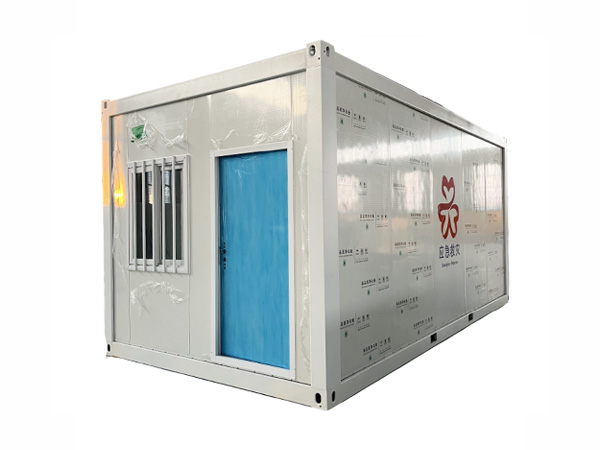
Eco-Friendly Material Sourcing
The foundation of sustainable container house manufacturing lies in the materials used. For steel containers, this often means prioritizing recycled content. Many shipping containers are already made from recycled steel, and responsible manufacturers ensure that any new steel added meets high recycled content standards.
Insulation materials represent another critical consideration. Traditional insulation options, such as fiberglass, can be environmentally problematic due to their manufacturing processes and potential health impacts. Sustainable alternatives, including sheep's wool, cellulose (recycled paper), and certain types of foam made from renewable resources, are increasingly being adopted in container house construction.
Finishes and fixtures also play a role in the overall sustainability profile. Low-VOC (volatile organic compound) paints and sealants, sustainably sourced wood products, and energy-efficient appliances all contribute to healthier indoor air quality and reduced environmental impact. Manufacturers committed to sustainability offer these options as standard or readily available upgrades.
Energy-Efficient Production Processes
The manufacturing process itself presents numerous opportunities for improving sustainability. In the factory setting, energy consumption for lighting, heating, cooling, and machinery operation can be substantial. Leading manufacturers invest in energy-efficient equipment, LED lighting systems, and improved insulation for their production facilities to reduce energy waste.
Waste reduction is another crucial aspect. Precision manufacturing techniques, such as computer-aided design and robotic cutting systems, minimize material off-cuts and optimize resource utilization. Scrap materials that are generated should be recycled whenever possible, further closing the loop on resource consumption.
Water usage in manufacturing, particularly for processes like painting or cleaning, can also be optimized. Closed-loop water systems that treat and reuse water on-site are becoming more common, reducing the strain on local water resources and minimizing pollution discharge.
Designing for Energy Efficiency
The sustainability of a container house extends far beyond its manufacturing. The design of the home itself plays a pivotal role in its long-term environmental performance. Proper insulation, high-performance windows and doors, and airtight construction are essential for minimizing heating and cooling energy demands.
Passive solar design principles can also be incorporated, orienting the home to maximize winter sun exposure while minimizing summer heat gain. Overhangs, awnings, and strategically placed vegetation can further enhance the home's thermal performance without relying on mechanical systems.
Renewable energy systems, such as solar panels and small wind turbines, can be integrated into the design, allowing the home to generate its own clean electricity. In some cases, well-designed container houses can achieve net-zero energy status, producing as much energy as they consume over the course of a year.
End-of-Life Considerations
True sustainability requires thinking about what happens to a container house at the end of its useful life. Steel containers are highly recyclable, and a well-designed container home should be easily disassembled, with components sorted for recycling or repurposing.
Some manufacturers are exploring design for deconstruction, where modular components are assembled in ways that allow for easy separation and reuse. This approach not only reduces waste but also creates a secondary market for used container house components, extending their useful life and maximizing the value of the initial material investment.
Biodegradable and non-toxic materials are also prioritized in sustainable manufacturing, ensuring that any components that do end up in landfills will break down harmlessly over time, rather than persisting as environmental pollutants.
Choosing a Sustainable Manufacturer
For buyers interested in minimizing the environmental impact of their container house, selecting a manufacturer with genuine sustainability credentials is essential. Hebei Telaosi Integrated Housing Co., Ltd. demonstrates its commitment to sustainability through its material choices, production practices, and product designs.
When evaluating potential manufacturers, inquire about their material sourcing policies, waste reduction strategies, and energy efficiency measures in their factories. Ask for documentation of their sustainability claims, such as certifications or third-party audits. A transparent manufacturer will be forthcoming with this information and proud to discuss their environmental initiatives.
It is also worthwhile to consider the durability and adaptability of the container house designs offered. Homes that can withstand the test of time, or be easily modified to accommodate changing needs, ultimately consume fewer resources than those that require frequent replacement or major renovation.
Conclusion
Sustainable container house manufacturing represents the future of environmentally responsible housing. By prioritizing eco-friendly materials, energy-efficient production, and thoughtful design for long-term performance and end-of-life considerations, manufacturers can create homes that are as kind to the planet as they are comfortable for their occupants.
Hebei Telaosi Integrated Housing Co., Ltd. stands as a testament to the possibilities of sustainable container house manufacturing, offering products that align with the values of environmentally conscious consumers without compromising on quality or affordability.
References
1. Journal of Cleaner Production, "Sustainable manufacturing practices in the container housing industry", 2021.
2. Energy and Buildings, "Life cycle assessment of sustainable container houses: A case study", 2020.
3. Sustainable Materials and Technologies, "Recycled content in steel shipping containers: Environmental impact analysis", 2022.
4. Building and Environment, "Indoor environmental quality in sustainable container homes", 2019.
5. Journal of Industrial Ecology, "Design for deconstruction in modular and container housing", 2021.