




Portable Folding House Installation Guide - Telaosi Integrated Housing
2026-06-25 05:57:44

Introduction to Folding House Installation
Portable folding houses have revolutionized the way we think about temporary and semi-permanent housing solutions. Their ability to be transported compactly and then unfolded on-site for rapid deployment makes them an increasingly popular choice for a variety of applications. Hebei Telaosi Integrated Housing Co., Ltd., a leading manufacturer and supplier based in Fucheng County, Hengshui City, Hebei Province, has extensive experience in the design, production, and installation of these innovative structures.
Proper installation is crucial to ensuring the safety, durability, and optimal performance of a folding house. While these units are designed for relative ease of setup compared to traditional construction, following manufacturer guidelines and best practices is essential. This guide provides an overview of the typical installation process for portable folding houses, highlighting key considerations and steps involved.
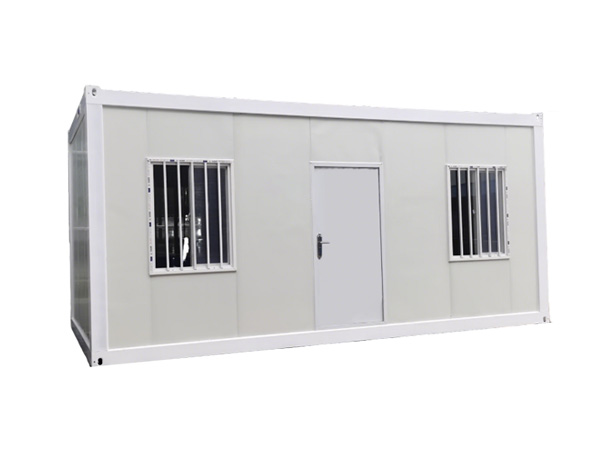
Pre-Installation Planning and Site Preparation
Before the folding house arrives at the site, thorough planning and site preparation are necessary. The first step is to obtain any required permits or approvals from local authorities, as regulations regarding temporary or modular structures can vary significantly by jurisdiction.
Site selection and preparation involve several key tasks. The ground must be leveled and compacted to provide a stable foundation for the folding house. Depending on the model and local building codes, a concrete slab, pier and beam system, or even a well-compacted gravel pad may be sufficient. Ensuring proper drainage away from the structure is also critical to prevent water accumulation and potential damage.
Utility connections represent another important pre-installation consideration. Planning for water, electricity, and sewage connections should be done in advance, with trenching and utility line installation coordinated with the overall site preparation timeline. In some cases, especially for remote locations, off-grid solutions such as solar power and composting toilets may be incorporated into the design.
Unloading and Positioning the Folding House
Upon delivery, the folding house unit will need to be unloaded safely and positioned on the prepared site. This typically requires a crane or other lifting equipment, depending on the size and weight of the unit. It is essential to follow the manufacturer's guidelines for lifting points and securing the unit during transport and placement.
Once positioned, the unit should be carefully leveled. This may involve adjusting the foundation supports or using shims to achieve a perfectly horizontal orientation. Proper leveling is crucial not only for the structural integrity of the folding house but also for the correct operation of doors, windows, and any installed appliances.
Unfolding and Securing the Structure
The defining feature of a folding house is its ability to unfold from a compact transport configuration into a spacious living or working area. The specific unfolding mechanism will vary by manufacturer and model, but generally involves hydraulic or manual systems that extend and lock the walls, roof, and floor sections into place.
During the unfolding process, it is important to follow the manufacturer's instructions precisely. This typically involves releasing locking mechanisms, activating hydraulic systems (if present), and ensuring that all moving parts operate smoothly. Once fully unfolded, the structure must be securely anchored to the foundation to resist wind uplift and seismic forces.
Anchoring methods vary but may include bolted connections to a concrete slab, helical piles, or ground anchors. The manufacturer's specifications for anchor type, spacing, and embedment depth must be strictly followed to ensure the structural integrity and safety of the installation.
Installing Utilities and Finishing Touches
With the folding house unfolded and secured, the next phase involves connecting utilities and completing interior and exterior finishes. Plumbing and electrical systems are often pre-installed in the factory, but final connections to on-site utilities must be made by licensed professionals in accordance with local codes.
Exterior finishing may include installing skirting around the base of the house to improve aesthetics and energy efficiency, as well as applying exterior cladding or paint if not already factory-applied. Landscaping around the unit can also be considered to enhance the overall appearance and integration with the surroundings.
Interior finishing touches might involve installing appliances, fixtures, and any additional cabinetry or storage solutions not included in the base model. Performing a thorough inspection of all systems and finishes is recommended before occupying the folding house, to ensure that everything is in proper working order.
Post-Installation Considerations
After the folding house is installed and occupied, regular maintenance is essential to preserve its condition and extend its lifespan. This includes periodic inspections of the roof, walls, windows, and doors for signs of wear or damage, as well as maintaining any mechanical systems such as HVAC units.
Cleaning the exterior and interior regularly, according to the manufacturer's recommendations, will also help to maintain the appearance and hygiene of the folding house. For units located in harsh climates, additional protective measures, such as applying sealants or protective coatings, may be necessary.
Finally, it is important to keep documentation related to the installation, including permits, warranty information, and maintenance records. This documentation will be valuable for any future repairs, resale, or relocation of the folding house.
Conclusion
The installation of a portable folding house, while more straightforward than traditional construction, requires careful planning, adherence to manufacturer guidelines, and attention to detail. By following the steps outlined in this guide and working with experienced professionals, buyers can ensure a successful and satisfying folding house installation.
Hebei Telaosi Integrated Housing Co., Ltd. stands ready to assist customers not only with the supply of high-quality folding houses but also with guidance and support throughout the installation process, ensuring that their clients can enjoy the benefits of their new housing solution with confidence and peace of mind.
References
1. Journal of Building Engineering, "Installation best practices for folding container houses", 2021.
2. Automation in Construction, "Rapid deployment housing: Installation techniques and challenges", 2020.
3. Construction and Building Materials, "Foundation design for portable folding houses in diverse soil conditions", 2022.
4. Sustainable Cities and Society, "Utility integration in prefabricated folding houses: A case study approach", 2019.
5. Building and Environment, "Post-installation performance monitoring of folding container houses", 2021.