




How Shipping Container Homes Became the Future of Affordable Housing
2026-07-08 01:05:52
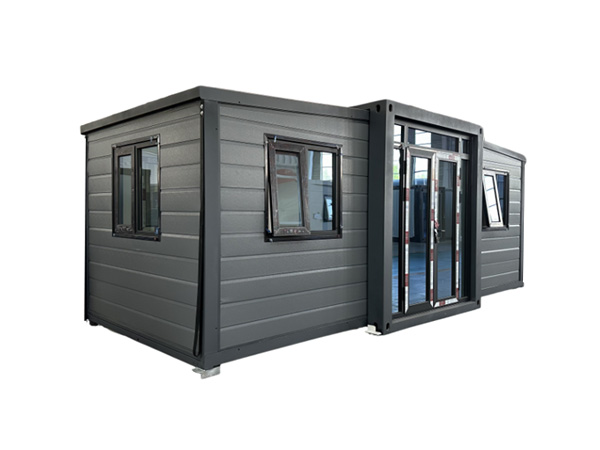
Twenty years ago, the idea of living inside a steel box that once hauled goods across oceans would have seemed absurd. Today, container homes are appearing on every continent, in suburban backyards and urban developments alike. Something shifted along the way just in design trends, but in how we think about what a home should cost and how it should be built.
The Humble Origins of Container Living
The shipping container as we know it was standardized in the 1950s, primarily for moving freight more efficiently. Malcom McLean, an American shipping entrepreneur, gets much of the credit for the idea that changed global trade forever. What he couldn't have predicted was that these corrugated steel boxes would one day shelter people.
The first recorded instance of someone converting a shipping container into habitable space dates back to the 1980s, though these early attempts were crude. Architects began experimenting with containers as architectural modules in the early 2000s, and by the mid-2000s, the movement had gained enough traction that container-based housing appeared on television programs and in mainstream shelter magazines.
What drew people in was the combination of availability and price. Shipping containers are produced in enormous quantities鈥攎illions sit idle in ports around the world at any given time. Their steel frames already provide structural integrity, and their standard dimensions make stacking and configuration relatively straightforward.
Why the Affordability Crisis Made Container Homes Inevitable
Housing affordability has become one of the defining issues of the past decade. In major cities across North America, Europe, and Asia, average home prices have far outpaced wage growth. Young families and first-time buyers find themselves locked out of ownership, while renters face ever-increasing monthly payments. Against this backdrop, the container home proposition looked increasingly attractive.
The economics are straightforward: a used 20-foot shipping container might cost anywhere from $1,200 to $3,000, depending on condition and location. Even a 40-foot container, which offers significantly more interior space, rarely exceeds $4,500 in its raw form. Compare that to the raw material costs for a stick-built home, and the comparison becomes stark.
A factory producing prefabricated container homes can streamline the construction process in ways that traditional building sites simply cannot match. Assembly-line techniques, climate-controlled manufacturing environments, and bulk purchasing of finishing materials all contribute to lower per-unit costs. When you eliminate weather delays, reduce skilled labor requirements on-site, and compress the overall timeline, the savings compound.
The Manufacturing Side: How Factories Changed the Equation
Early container home builders often purchased containers independently and performed modifications themselves or hired local contractors. This approach worked, but it introduced variability in quality and made cost control difficult. The emergence of dedicated container home manufacturers transformed the market.
Modern container home factories operate much like automotive assembly plants. The basic container shell arrives as a blank canvas. Workers then install insulation, electrical systems, plumbing, windows, doors, and interior finishes according to standardized specifications or custom designs. Because the factory controls the environment and the sequence of operations, it can achieve consistent quality while maintaining faster production speeds.
Chinese manufacturers have been particularly active in scaling container home production. With access to abundant steel supplies, established manufacturing infrastructure, and competitive labor costs, factories in Hebei Province and elsewhere have become major suppliers for projects worldwide. A Chinese factory producing container homes can ship units in flat-pack form, reducing freight costs dramatically while still delivering a complete structure ready for assembly.
The Design Evolution: From Brutalist to Beautiful
Detractors once dismissed container homes as cold, industrial boxes that belonged in loading yards, not neighborhoods. The design community responded with increasingly sophisticated solutions. High-end architects began incorporating containers into luxury residences, combining multiple units with cantilevered sections, rooftop gardens, and premium finishes.
The aesthetic has matured significantly. Where early container homes often exposed the container's corrugated exterior as a design statement, newer projects frequently clad or render the exterior to blend with surrounding architecture. Interior designers have learned to work with the container's constraints鈥攊ts fixed width, its load-bearing walls鈥攖o create spaces that feel intentional rather than improvised.
What the Future Holds
The container home movement shows no signs of slowing. Climate concerns continue to drive interest in repurposing existing materials rather than extracting and processing new ones. Urban density pressures make the modular nature of container construction increasingly relevant for infill developments and accessory dwelling units. And the global supply chain for shipping containers remains robust, ensuring a steady supply of raw material.
Manufacturers are responding with more customization options, faster lead times, and improved thermal and structural performance. Some factories now offer turnkey solutions that include site preparation guidance, utility connections, and even landscaping packages. The gap between "container home" and "conventional home" continues to narrow.
References
United Nations Conference on Trade and Development. (2022). Review of Maritime Transport 2022. UNCTAD.
International Association for the Study of Pain. (2019). Global Housing Affordability Crisis: Policy Implications for Sustainable Urban Development. Habitat International.
Bishop, P. & Williams, L. (2012). The Temporary City. Routledge.
World Steel Association. (2021). Life Cycle Assessment of Steel Construction. WorldSteel Technical Report.
International Organization for Standardization. (2019). ISO 668:2019 Series 1 Freight Containers 鈥?Classification, Dimensions and Ratings. ISO.