




Flat Pack Container Homes: The Ultimate Guide for First-Time Buyers
2026-07-04 10:11:54
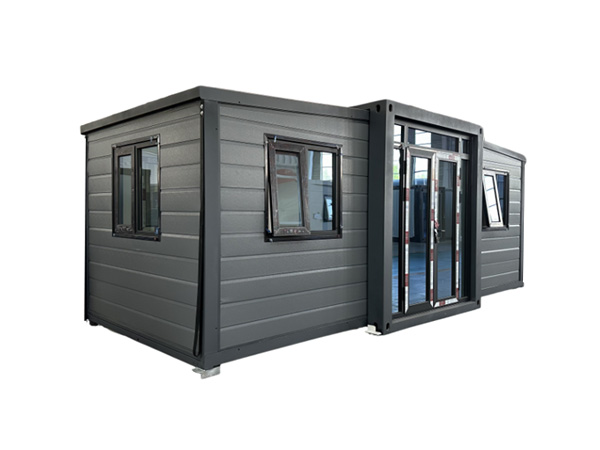
So you've decided to explore flat pack container homes. Good choice—these ingenious kits combine the structural integrity of shipping containers with the convenience of IKEA-style flat-pack delivery. But if you've never bought or assembled one before, the process can feel intimidating. Don't worry. This guide walks you through everything you need to know, from understanding what "flat pack" actually means to avoiding the expensive mistakes that trip up first-time buyers.
What Exactly Is a Flat Pack Container Home?
Let's clear up the confusion first. "Flat pack" doesn't mean you're getting a pile of random steel panels and a prayer. A flat pack container home is a complete housing unit that's been partially disassembled for efficient shipping. The walls, floor, ceiling, and roof panels nest inside each other or fold flat, reducing shipping volume by 60-70% compared to fully assembled containers.
When your flat pack unit arrives, you'll typically find: pre-fabricated wall panels (with insulation already installed), floor decking, roof sections, all windows and doors, MEP (mechanical, electrical, plumbing) rough-in components, and a detailed assembly manual. Some suppliers even include the tools you'll need for basic assembly.
The genius of the flat pack design is that it balances shipping efficiency with on-site labor requirements. You're not welding structural components or running complex wiring—that's all done at the factory. You're essentially doing the final assembly of a precision-engineered kit.
The Assembly Process: Easier Than You Think (But Don't Wing It)
If you're reasonably handy—can use a drill, read a tape measure, follow instructions—you can assemble a basic flat pack container home. The process typically takes a team of 3-4 people 2-5 days for a single unit, depending on size and complexity. Here's the general sequence:
Day 1: Foundation and Floor: Your container home needs a proper foundation—concrete piers, a slab, or helical piles, depending on your soil and climate. Once the foundation is ready, the floor deck (usually a steel frame with integrated subflooring) gets anchored down. This becomes your assembly platform.
Day 2: Wall Assembly: Wall panels are lifted into position and bolted to the floor and to each other. This is where having extra hands (or a small crane for larger units) really helps. The panels are pre-cut for windows and doors, so you're not doing rough carpentry—just positioning and fastening.
Day 3: Roof and Weather Tightness: Roof panels go on, sealed joints get sealed, and your home becomes weather-tight. This is a satisfying milestone—suddenly it looks like a real building.
Days 4-5: Systems and Finishes: Electrical wiring (often pre-terminated plug-and-play connections), plumbing hookups, HVAC installation, and interior finishes. If your unit came with pre-finished interior panels, this goes quickly. If you're doing custom finishes, budget additional time.
Here's my advice: even if you're capable of DIY assembly, consider having the manufacturer's technician supervise or do a walkthrough midway through your first build. The cost is modest, and the peace of mind is enormous.
Costs: The Real Numbers First-Time Buyers Need
Let's talk money, because the pricing for flat pack container homes varies wildly based on what's included. Here's a realistic breakdown:
The Unit Itself: Basic flat pack containers (20ft, basic finishes, minimal systems) start around $8,000-$12,000 FOB factory. Mid-range units with better insulation, modern finishes, and integrated electrical/plumbing run $15,000-$25,000. Luxury configurations can exceed $40,000—but at that point, you're getting a home that rivals traditional construction in quality.
Shipping: This can be 10-30% of your total project cost, depending on distance from the factory and whether you're ordering single units or multiple units that can ship together efficiently.
Foundation: Budget $2,000-$8,000 depending on soil conditions, local labor rates, and foundation type. Simple pier foundations are cheapest; full slabs with utilities roughed in cost more.
Assembly Labor: If you hire it done, budget $2,000-$5,000 per unit for basic assembly (more for complex configurations). DIY assembly saves this cost but requires your time and some rental equipment.
Utilities and Hookups: Connecting to grid power, water, and sewer (or installing off-grid systems) typically runs $3,000-$15,000 depending on distance to existing utilities and local permitting costs.
A realistic total for a turnkey single-unit flat pack home: $25,000-$60,000 all-in. That's still a fraction of traditional construction costs in most markets, but it's not pocket change either.
Choosing the Right Supplier: Factory Experience Matters
Not all flat pack container homes are created equal, and the supplier you choose dramatically affects your experience. Here's what to look for:
Factory visit (or virtual tour): Any reputable manufacturer should be willing to show you their production facility. You're looking for: organized assembly lines, quality control checkpoints, inventory management (are materials stored properly?), and staff who know the product intimately.
Reference projects: Ask for contact information of previous buyers who've completed similar projects. A good supplier will have a portfolio of completed installations and be happy to connect you with satisfied customers.
Documentation quality: The assembly manual tells you everything about the manufacturer's professionalism. Is it clear? Are the diagrams accurate? Does it include troubleshooting guidance? Vague or poorly translated manuals are red flags.
After-sales support: Things go wrong. Components get damaged in shipping. You'll have questions during assembly. Choose a supplier who picks up the phone and provides real technical support, not just a sales pitch.
Warranty terms: Understand exactly what's covered and for how long. Structural warranties should be 10+ years. Systems and finishes typically carry 1-5 year warranties. And read the fine print about what voids the warranty—improper assembly is usually excluded, so document your build process.
Tips from Factory Experience: Avoiding Expensive Mistakes
After watching dozens of flat pack container home projects—some smooth, others... less so—here are the most common mistakes first-time buyers make:
Underestimating site preparation: Your beautiful flat pack home will look ridiculous (and potentially have structural issues) if it's not sitting on a level, properly compacted foundation. Don't skimp on site prep. It's the unglamorous work that makes everything else possible.
Ignoring local codes: Just because you bought a container home doesn't mean you can plop it anywhere. Pull permits, schedule inspections, and document everything. Yes, it's boring paperwork. No, you can't skip it.
Buying based on price alone: The cheapest flat pack unit usually becomes the most expensive when you factor in shipping damage, missing components, and incomprehensible assembly instructions. Pay for quality once, not for problems repeatedly.
Not planning for utilities early enough: Your container home needs power, water, and waste connections. These require trenching, which requires coordination with the assembly sequence. Plan utility routing before your unit arrives, not after.
Attempting assembly in bad weather: Installing insulation and sealing joints in rain or high wind is asking for moisture problems and air leaks. Check the forecast and plan accordingly.
Is a Flat Pack Container Home Right for You?
Flat pack container homes aren't for everyone. If you're looking for a 4,000-square-foot custom dream home with unlimited design flexibility, traditional construction might serve you better. But if you value: speed of deployment, cost predictability, quality control from factory manufacturing, and the satisfaction of assembling your own home (with significant factory support), flat pack containers are worth serious consideration.
The market for these homes is maturing rapidly. Manufacturers are offering better finishes, more customization options, and improved support for DIY assemblers. What used to be an alternative housing experiment has become a legitimate, code-compliant housing solution for everything from ADUs (accessory dwelling units) to vacation homes to full-time residences.
Take your time, do your research, and choose your supplier carefully. Your future self will thank you.
References
International Organization for Standardization. (2020). ISO 1496-8: Series 1 freight containers — Prepared for specific purposes. Geneva: ISO.
U.S. Department of Housing and Urban Development. (2021). Guide to purchasing factory-built housing. Washington, DC: HUD Office of Policy Development.
Federal Emergency Management Agency. (2019). Manufactured home installation standards. FEMA P-85. Washington, DC: FEMA.
Consumer Reports. (2020). Prefabricated and modular home buyer's guide. Yonkers: Consumer Reports Publications.
National Association of Home Builders. (2021). Cost comparison: Site-built versus modular construction. Washington, DC: NAHB Economics and Housing Policy Group.