




Benefits of Folding Container Houses - Telaosi Integrated Housing
2026-06-19 12:28:14

What Are Folding Container Houses
Folding container houses represent a revolutionary advancement in modular housing technology. Unlike traditional shipping container homes that require cranes and heavy machinery for installation, folding container houses are designed to collapse flat for easy transportation and unfold quickly on-site. Hebei Telaosi Integrated Housing Co., Ltd., a professional manufacturer based in Hengshui City, Hebei Province, has perfected the art of producing these innovative structures, making them an increasingly popular choice for residential, commercial, and industrial applications.
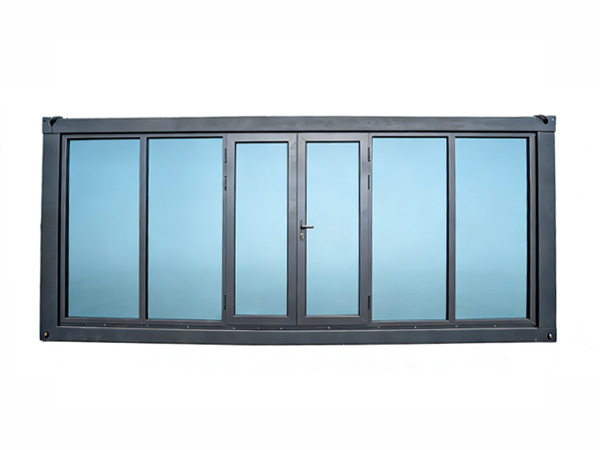
The fundamental design principle behind folding container houses is space efficiency during transportation. A standard folding container unit can be collapsed to approximately one-fourth of its assembled size, allowing multiple units to be transported on a single truck. This dramatic reduction in shipping volume translates to significant cost savings, especially for international buyers or projects in remote locations where transportation expenses constitute a substantial portion of the overall budget.
Easy Installation and Time Savings
One of the most compelling advantages of folding container houses is the ease and speed of installation. Traditional container homes often require welding, cutting, and extensive modification work on-site, necessitating skilled labor and specialized equipment. In contrast, folding container houses are engineered for rapid deployment. Most models can be unfolded and secured in a matter of hours by a small team using basic hand tools.
The time savings extend beyond installation. Because folding container houses are prefabricated in a controlled factory environment, weather delays and on-site construction uncertainties are virtually eliminated. A project that might take months using conventional construction methods can often be completed in weeks or even days with folding container technology. This accelerated timeline is particularly valuable for disaster relief housing, temporary offices, or commercial spaces that need to become operational quickly.
Additionally, the simplicity of installation reduces labor costs and minimizes the potential for construction errors. The precision manufacturing process ensures that all components fit together perfectly, eliminating the gaps and misalignments that can plague traditional construction projects. For buyers working with limited construction experience or resources, this user-friendly approach represents a significant advantage.
Portability and Flexibility
The collapsible nature of folding container houses makes them exceptionally portable. When a structure is no longer needed at its current location, it can be folded back up and transported to a new site. This reusability is a game-changer for industries such as construction, mining, and event management, where temporary facilities are frequently required at different locations.
Flexibility in configuration is another hallmark of folding container houses. Multiple units can be combined horizontally or vertically to create larger structures, and they can be easily reconfigured as needs change. A set of folding containers might serve as a small office complex one year and be rearranged into worker dormitories the next. This adaptability extends the useful life of the investment and provides options that rigid traditional buildings cannot match.
The portability factor also appeals to individuals and businesses that lease rather than own their land. In many jurisdictions, structures that can be removed without leaving a permanent foundation are subject to different regulations than conventional buildings, potentially simplifying the permitting process and reducing property tax obligations. Folding container houses occupy a unique niche that blends the durability of traditional construction with the flexibility of temporary structures.
Cost-Effectiveness and Affordability
Affordability is a major driver of the folding container house market. The combination of efficient manufacturing, reduced transportation costs, and rapid installation results in a final product that is substantially less expensive than traditional construction. For budget-conscious homeowners, startups, and organizations working in developing regions, this cost advantage can mean the difference between having a proper facility and making do with substandard alternatives.
Beyond the initial purchase price, folding container houses offer ongoing cost benefits. The steel construction is inherently durable and requires minimal maintenance compared to wood-frame buildings, which are susceptible to rot, termites, and other deterioration issues. High-quality insulation options are available to reduce heating and cooling expenses, and the airtight construction of well-manufactured units prevents drafts and energy waste.
Financing is also becoming more accessible for container-based structures as lenders become familiar with their durability and market acceptance. Some manufacturers, including Hebei Telaosi Integrated Housing Co., Ltd., offer flexible payment terms or assist buyers in navigating the financing process. As the market matures, leasing options are emerging as well, providing even greater affordability and flexibility.
Durability and Safety Considerations
Concerns about the durability and safety of folding container houses are understandable but largely misplaced when dealing with reputable manufacturers. The steel used in these structures is the same corten steel employed in international shipping, designed to withstand extreme weather, heavy loads, and decades of use. When properly engineered and installed, folding container houses meet or exceed building codes for safety and structural integrity.
Fire safety is a particular strength of steel construction. Unlike wood-frame buildings, container houses do not contribute fuel to a fire, and they can be fitted with fire-resistant insulation and cladding to further enhance safety. Electrical systems are installed according to standard residential or commercial codes, and smoke detectors and fire suppression systems can be integrated just as in traditional buildings.
Weather resistance is another critical consideration. Folding container houses are designed to shed water effectively, and the factory-controlled construction process ensures proper sealing and weatherstripping. In areas prone to hurricanes, earthquakes, or heavy snow loads, additional reinforcement can be incorporated into the design. The key is to work with an experienced supplier who understands local climate challenges and can recommend appropriate specifications.
Choosing a Quality Manufacturer
The quality of a folding container house depends heavily on the manufacturer's expertise and quality control processes. Hebei Telaosi Integrated Housing Co., Ltd. has established a strong reputation by focusing on precision engineering, high-grade materials, and rigorous testing. Potential buyers should look for manufacturers that provide detailed specifications, offer customization options, and have a trackable record of successful installations.
Factory visits, while not always feasible, provide valuable insights into a manufacturer's capabilities. Observing the production process, quality control procedures, and material storage practices can reveal much about the company's commitment to excellence. At a minimum, request detailed photographs or videos of the factory and completed projects similar to your intended application.
After-sales support is another crucial factor. A reputable supplier should provide comprehensive documentation, installation guidance, and responsive customer service. Warranties on materials and workmanship demonstrate confidence in the product and provide peace of mind for the buyer. Taking the time to vet potential suppliers thoroughly will pay dividends in the form of a superior product and a smoother overall experience.
Conclusion
Folding container houses offer a compelling combination of affordability, portability, and durability that is reshaping the housing and commercial construction landscape. As manufacturing techniques continue to advance and design options expand, these innovative structures are poised to become an increasingly common sight in diverse settings around the world.
For those considering a folding container house, partnering with an established manufacturer like Hebei Telaosi Integrated Housing Co., Ltd. ensures access to high-quality products, expert guidance, and reliable support. With proper planning and execution, a folding container house can provide years of comfortable, functional service at a fraction of the cost of traditional construction.
References
1. Thin-Walled Structures, "Structural behavior of folded steel plate structures used in portable container houses", 2020.
2. Automation in Construction, "Rapid deployment housing: A review of folding and modular construction systems", 2021.
3. Journal of Construction Engineering and Management, "Logistics optimization for prefabricated foldable housing units in disaster relief", 2019.
4. Sustainable Materials and Technologies, "Life cycle assessment of folding container houses versus conventional construction", 2022.
5. Engineering Structures, "Seismic performance of folded steel container structures: Experimental and numerical investigation", 2021.