




Expandable Container Home Design - Telaosi Integrated Housing
2026-06-16 09:58:25

Introduction to Expandable Container Homes
Expandable container homes represent a remarkable fusion of innovative engineering and modern architectural design. These structures offer a unique solution to the growing demand for flexible, affordable, and rapidly deployable housing. Hebei Telaosi Integrated Housing Co., Ltd., a leading manufacturer based in Hengshui City, Hebei Province, has been at the forefront of developing expandable container home designs that cater to diverse residential and commercial needs.
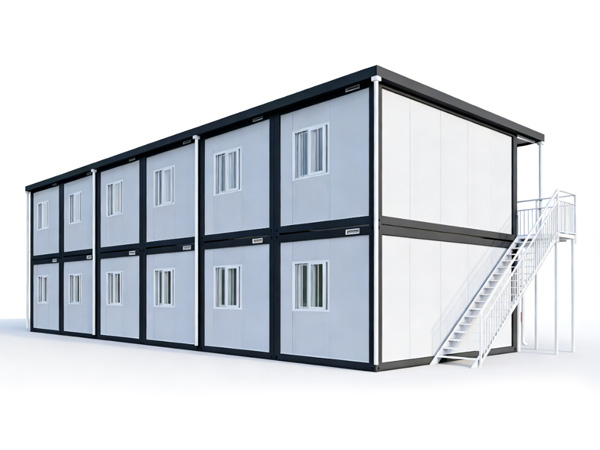
Unlike traditional container homes that maintain a fixed footprint, expandable models are designed with mechanisms that allow them to increase their usable floor area significantly when deployed. This expandability is achieved through various engineering approaches, including hydraulic or mechanical folding sections, sliding modules, and telescopic components. The result is a compact, transportable unit that unfolds into a spacious, comfortable living or working environment.
Design Principles and Engineering
The design of expandable container homes requires careful consideration of structural integrity, weather resistance, and user convenience. Engineers must ensure that the expansion mechanisms are robust, reliable, and easy to operate, even in challenging environmental conditions. The use of high-strength steel alloys and precision manufacturing techniques is essential to achieving these goals.
Weather sealing is another critical design aspect. When expanded, the home must provide a draft-free, watertight envelope to ensure occupant comfort and prevent moisture-related issues. Advanced sealing materials and designs are employed to maintain the integrity of the structure through countless expansion and retraction cycles.
Aesthetic considerations also play a significant role in the design process. Modern expandable container homes are far removed from their industrial origins, featuring sleek lines, large windows, and contemporary finishes. Architects work closely with engineers to create designs that are not only functional but also visually appealing, blending seamlessly into various environments.
Customization Options
One of the key advantages of expandable container homes is the extent of customization possible. Buyers can often choose from a range of layouts, finishes, and amenities to create a home that reflects their personal style and meets their specific needs. Options may include the number and configuration of rooms, types of flooring and cabinetry, window styles and placements, and the integration of smart home technologies.
For those requiring specialized functionality, such as home offices, art studios, or guest accommodations, expandable container homes can be tailored accordingly. The interior can be configured to maximize space utilization and functionality, with built-in storage solutions, multifunctional furniture, and flexible partitioning systems.
Exterior customization is equally diverse. Cladding options range from industrial metals to natural wood or composite materials, allowing the home to complement its surroundings. Roof designs can incorporate green roofing systems, solar panels, or rainwater harvesting setups, further enhancing the sustainability and self-sufficiency of the home.
Installation and Site Considerations
The installation process for expandable container homes is typically straightforward, but proper site preparation is essential. The ground must be leveled and, depending on local regulations and soil conditions, a foundation or support system may be required. In many cases, however, expandable container homes can be placed on a simple crushed stone or concrete pad, reducing site preparation costs and time.
Utility connections represent another important consideration. Expandable container homes are designed to facilitate easy connection to water, electricity, and sewage systems. For locations where grid connections are not feasible, off-grid systems such as solar power, composting toilets, and well water setups can be integrated into the design.
Permitting and zoning regulations vary widely by location and can significantly impact the feasibility of installing an expandable container home. It is advisable to research local requirements early in the planning process and work with suppliers, like Hebei Telaosi Integrated Housing Co., Ltd., who have experience navigating these regulatory landscapes.
Cost Considerations
The cost of an expandable container home can vary widely depending on size, customization level, and additional features. While generally more affordable than traditional site-built homes, they represent a significant investment. It is important for buyers to obtain detailed quotes from suppliers, carefully reviewing what is included and what might constitute additional costs.
Long-term value should also be considered. Expandable container homes are durable and, with proper maintenance, can provide decades of service. Their energy-efficient designs can result in lower utility bills, and their unique appeal may enhance resale value in certain markets. Some manufacturers offer leasing or rent-to-own options, providing alternative pathways to ownership.
Financing remains a challenge in some regions, as traditional mortgage lenders may be unfamiliar with expandable container homes. However, as the market matures and acceptance grows, financing options are expanding. Working with manufacturers who can provide documentation and support for financing applications can be beneficial.
Conclusion
Expandable container homes offer a compelling housing solution that combines the strength and durability of shipping containers with the flexibility and comfort of modern design. As technology advances and designs continue to evolve, these innovative structures are poised to play an increasingly important role in addressing global housing challenges.
For those considering an expandable container home, partnering with an experienced and reputable supplier is crucial. Hebei Telaosi Integrated Housing Co., Ltd. brings extensive expertise in design, manufacturing, and customer support, ensuring that clients receive a high-quality product that meets their needs and exceeds their expectations.
References
1. Journal of Architectural Engineering, "Design and structural analysis of expandable container homes", 2021.
2. Automation in Construction, "Kinematic design of expandable container structures: A review", 2020.
3. Building and Environment, "Thermal performance of expandable container houses: Experimental study", 2022.
4. Sustainable Cities and Society, "User satisfaction with expandable container housing: A case study approach", 2019.
5. Thin-Walled Structures, "Structural optimization of expandable container homes using finite element analysis", 2021.