




Container Homes for Glamping: A Complete Operator's Guide (2026)
2026-09-24 12:07:49
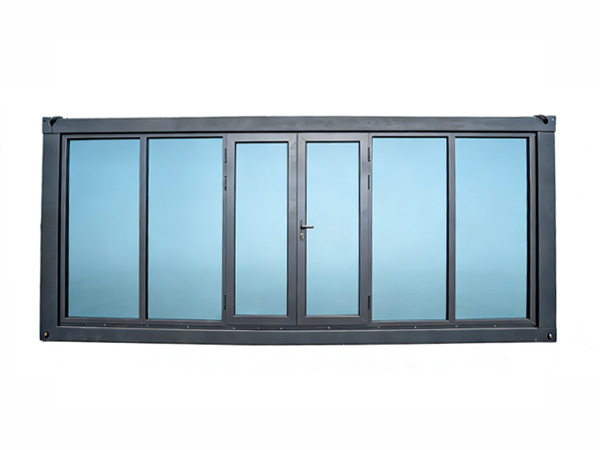
Glamping sits at the intersection of nature and comfort, and container homes have become one of its sharpest tools. A well-finished container cabin delivers the solid, design-led experience guests pay a premium for, while giving operators a building they can ship, place, and replicate across sites. For resort developers sourcing from manufacturers like TLS Integrated Housing, the format solves the two problems that kill glamping margins: slow build-out and inconsistent product.
This operator's guide covers which container units fit a glamping site, how to design the guest experience, what site and servicing decisions drive profitability, and the mistakes that turn a stylish pod into a maintenance headache.
Why Operators Choose Container Stays
Container units arrive as finished, weather-tight rooms, so a new glamping phase opens in weeks instead of a construction season. They are also identical, which means every guest gets the same experience and every unit shares parts and maintenance routines. That repeatability is what lets a small team run a large site.
"Guests do not care that it was a shipping container. They care that it is warm, quiet, and beautifully lit. The container just lets us deliver that consistently and fast."— Robert Hayes, International Trade Manager, TLS Integrated Housing
Choosing the Right Unit
For glamping, the expandable and folding formats are especially attractive. An expandable container opens into a wide, light-filled suite with a separate bathroom pod, while a flat-pack cabin ships densely and opens on site. Both give more interior space per delivered load than a rigid box, protecting your transport budget on remote sites.
Expandable suite: best for premium stays needing separate sleeping and living zones.
Folding cabin: best for rapid, high-density deployment on tough access.
Traditional container: best for custom, architect-led site concepts.
Designing the Guest Experience
Glamping sells feeling, not square footage. Large glazed doors to a deck, a skylight over the bed, warm LED layers, and a real ensuite bathroom are what justify the rate. Insulation and acoustic separation matter more than in residential builds because guests notice a cold night or a noisy neighbor immediately.
"The difference between a five-star pod and a storage box is detail: blackout blinds, a proper shower, and a view framed by the architecture. Get those and reviews take care of themselves."— Robert Hayes, International Trade Manager, TLS Integrated Housing
Site Layout and Servicing
Place units to preserve views and privacy, then plan utilities before delivery. Clustered servicing—a shared plant room feeding several pods—cuts cost versus running lines to each unit. Off-grid solar and composting or packaged treatment work well where connections are expensive, and many operators use hybrid systems to stay open year-round.
Profitability Levers
Standardize the unit so cleaning and maintenance scale with staff, not complexity.
Use expandable formats to maximize bookable space per freight load.
Design for all-season operation to flatten occupancy swings.
Pre-plan servicing clusters to lower utility capital cost.
Common Glamping Pitfalls
The usual mistakes are under-specifying insulation (cold complaints), skimping on bathroom quality (the thing guests rate first), and scattering units so servicing costs balloon. Treat the pod as a hospitality product, not a shed, and these rarely happen.
Conclusion
Container homes let glamping and eco-resort operators open faster, scale cleaner, and deliver a consistent premium experience that earns repeat bookings. Pick the right format, design for the senses, and service smart, and the steel box becomes your most reliable revenue unit.
Design Your Container Glamping Site
TLS Integrated Housing builds expandable, folding, and modular cabin units finished for hospitality, with off-grid and ensuite options. Share your site and target rate with our team, and we will help you specify pods that guests love and operations can scale.