




Container Home vs Mobile Home: Which Is the Better Choice in 2026?
2026-09-26 01:16:05
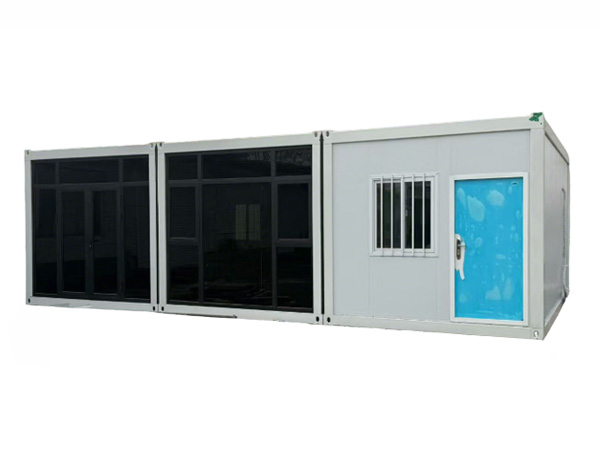
When buyers shop for affordable, factory-built housing, two options surface constantly: the container home and the mobile (manufactured) home. They look similar in a brochure—both arrive from a factory, both promise savings—but they are built to different standards, age differently, and suit different buyers. For those comparing offerings from manufacturers like TLS Integrated Housing, understanding the contrast prevents an expensive mismatch.
This comparison weighs the two on cost, durability, customization, resale, and financing so you can choose with eyes open rather than on a sticker price alone.
What Each One Actually Is
A mobile home—properly a manufactured home—is built on a permanent steel chassis to a national HUD-type code, designed to be transported once and placed, often in a park or on private land. A container home starts from an ISO shipping container or a container-derived steel module, built to maritime structural standards and finished as a dwelling. The chassis versus the box is the root difference.
"A mobile home is a vehicle that became a house. A container home is a box that was engineered for the sea and adapted to live in. Different DNA, different trade-offs."— William Clark, Field Deployment Specialist, TLS Integrated Housing
Cost Comparison
Mobile homes are generally cheaper per square foot at the entry level because the form is mature and mass-produced. Container homes cost more per foot but arrive more finished and more durable, and their shipping-dense formats reduce freight on multi-unit or export orders. For a single local unit, mobile often wins on price; for remote or volume deployments, container formats close the gap fast.
Durability and Weather Resistance
Container steel is phenomenally tough—rated for stacked ocean loads—while mobile homes are light wood-frame on a chassis, vulnerable to high winds unless tied down. In storm-prone or remote sites, the container's rigid shell is a meaningful safety and longevity advantage, provided corrosion is managed.
Customization and Design Freedom
Mobile homes follow a code and a chassis that constrain shape; you get floor-plan choices within a fixed envelope. Container homes can be cut, stacked, and combined into architecture mobile homes cannot easily match, especially the expandable and folding variants that open into wide, modern layouts. If design distinctiveness matters, containers lead.
"If you want a house that looks like a house, a mobile home delivers that affordably. If you want a building that looks like an idea, the container format gives you room to invent."— William Clark, Field Deployment Specialist, TLS Integrated Housing
Resale and Financing
Mobile homes historically depreciate like vehicles, especially when titled as personal property, and financing can carry higher rates. Container homes are newer to the resale market but tend to be treated as real property when permanently founded, which helps value retention. Local rules vary, so check how your jurisdiction titles each.
Which Should You Choose?
Choose a mobile home if lowest up-front cost, a familiar floor plan, and local availability matter most.
Choose a container home if you value durability, design uniqueness, remote deployability, or plan to relocate the unit.
Common Misconceptions
Neither is automatically "better." A container is not inherently greener—it still needs energy-intensive fit-out—and a mobile home is not automatically flimsy when properly anchored. The right call depends on your land, climate, budget, and how long you will stay.
Conclusion
Container homes and mobile homes serve overlapping but distinct needs. Mobile wins on entry cost and familiarity; container wins on durability, design, and deployability. Match the building to how you will actually live, finance, and possibly move, and the "versus" resolves itself.
Compare Container Options for Your Site
TLS Integrated Housing offers traditional, expandable, folding, and flat-pack container homes engineered for durability and design freedom. Contact our team to compare formats against your budget and site so you choose with confidence.