




The Ultimate Guide to Expandable Modular Tiny Houses
2026-03-16 10:49:23
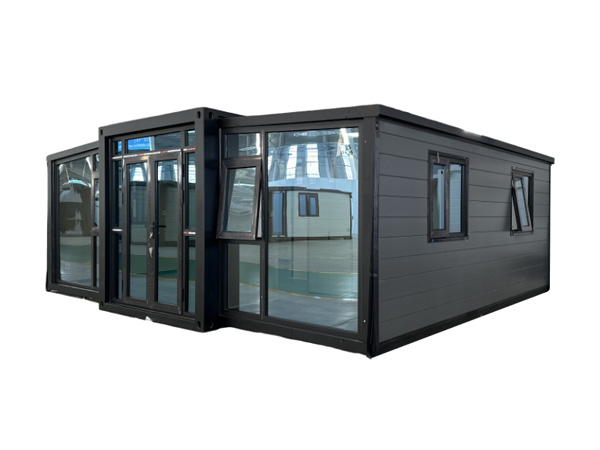
Expandable modular tiny houses are quickly reshaping people’s perceptions of compact living. By integrating space efficiency, flexibility, and affordability, these innovative dwellings are designed to expand when necessary while remaining compact during transportation or periods of minimal living. As housing prices keep rising and sustainable lifestyles gain more traction, expandable modular tiny homes have become an appealing alternative for homeowners, travelers, and investors. In this comprehensive guide, we will delve into what expandable modular tiny houses are, how they function, their key advantages, popular designs, and how to select the right one for your needs.
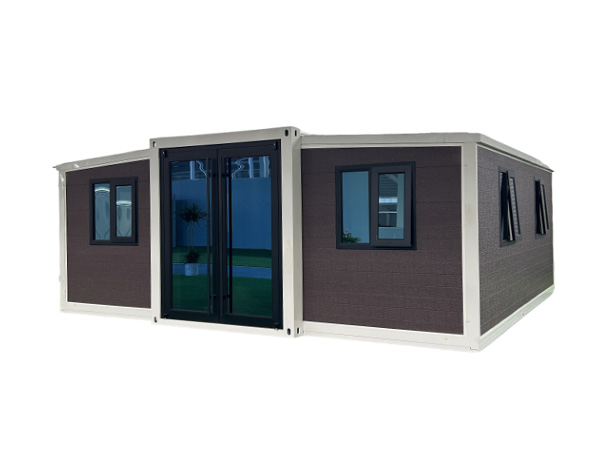
What Is an Expandable Modular Tiny House?
An expandable modular tiny house is a prefabricated structure that can be folded, unfolded, or extended to expand its interior living space. Unlike traditional tiny homes with a fixed size, these houses are equipped with mechanical or modular expansion systems, allowing the structure to grow once it arrives at its destination. Most expandable tiny homes share the following characteristics:
·Prefabricated in controlled factory environments
·Transported as compact, easy-to-handle units
·Expandable on-site within just a few hours
This makes them perfect for remote locations, temporary housing, vacation homes, emergency shelters, or backyard ADUs (Accessory Dwelling Units).
How Expandable Tiny Houses Work
Expandable tiny houses generally rely on one of three main expansion mechanisms, each with its own unique features and benefits.
1. Fold-Out Systems
Fold-out tiny homes utilize hinged wall sections that unfold outward during the setup process. Key features:
·Quick and straightforward setup
·Lightweight structural design
·More affordable compared to other systems
These systems are frequently used in container-style expandable homes.
2. Slide-Out Systems
Similar to the slide-out mechanisms in RVs, these modules slide outward to create additional living rooms or spaces. Main advantages:
·Larger interior spaces after expansion
·More flexible room layout options
·Strong structural stability and integrity
3. Modular Add-On Systems
These homes consist of separate, independent modules that can be connected together to form a larger, integrated structure. Key benefits include:
·Highly customizable layouts to suit individual needs
·Scalable design that grows with your requirements
·Easy upgrades and expansions over time
Homeowners can start with a basic module and add new units as their living needs or family size increases.
Key Advantages of Expandable Modular Tiny Houses
Expandable modular homes offer a range of benefits that have made them increasingly popular across the globe.
1. Space Efficiency
Expandable systems enable the house to stay compact during transportation, while providing significantly more living space once fully deployed at the installation site.
2. Faster Construction
Since most components are prefabricated in factories, construction time is drastically reduced. Many expandable homes can be fully installed in a single day.
3. Cost-Effective Housing
Compared to traditional homes, expandable tiny houses require:
·Less construction material
·Lower labor costs
·Reduced land preparation work
This makes them an ideal choice for budget-conscious buyers and real estate investors.
4. Portability
Many expandable homes are designed to fit within standard shipping container dimensions, making them easy to transport by truck, ship, or other means of transportation.
5. Sustainable Living
Expandable modular homes often come with eco-friendly features, such as:
·Compatibility with solar power systems
·Energy-efficient insulation materials
·Smart water-saving systems
·Minimal construction waste during production
Common Designs of Expandable Tiny Houses
Expandable tiny houses are available in several popular configurations, each tailored to different living needs.
Single-Expansion Homes
These models expand on one side, increasing the interior space while maintaining a simple, straightforward structure. Best suited for:
·Small families
·Remote cabins or retreats
·Backyard guest houses
Double-Expansion Homes
Double expansion units extend outward on both sides, often doubling the usable living area of the home. Typical features include:
·Separate bedrooms
·Full-service bathrooms
·Larger kitchen spaces
Triple-Expansion Homes
The most advanced designs expand in three directions, creating a surprisingly spacious interior that is comparable to a small apartment. These are often used for:
·Long-term full-time living
·Luxury tiny homes
·Modular resorts or vacation communities
What to Consider Before Buying
Before purchasing an expandable modular tiny house, buyers should carefully evaluate several key factors to ensure it meets their needs.
1. Local Building Regulations
Different regions have varying rules and regulations regarding:
·Tiny home installations
·Modular building standards
·ADU requirements
Always check local zoning laws and building codes before proceeding with installation.
2. Transportation and Installation
Consider the following factors related to delivery and setup:
·Access to the installation site for delivery vehicles
·Foundation requirements (if any)
·Need for cranes, forklifts, or other professional equipment for setup
Some models can be installed with minimal equipment, while others require professional installation services.
3. Insulation and Climate Suitability
High-quality insulation is essential if the home will be used in extreme climate conditions (hot or cold). Look for these features:
·Thermal insulation panels
·Double-glazed windows for temperature control
·Weather-resistant materials to withstand harsh conditions
4. Interior Customization
Many manufacturers offer a range of customization options, such as:
·Built-in furniture to maximize space
·Smart home systems for convenience
·Solar power kits for off-grid living
·Luxury finishes for enhanced comfort
Choose a configuration that aligns with your lifestyle and budget.
Who Should Consider Expandable Tiny Homes?
Expandable modular tiny houses are suitable for a wide range of buyers, but they are particularly ideal for:
·Minimalist homeowners seeking simple, efficient living
·Vacation property owners looking for a flexible retreat
·Remote workers needing a dedicated, portable workspace
·Rental property investors seeking cost-effective income-generating units
·Emergency housing providers needing rapid-deployment solutions
·Off-grid living enthusiasts looking for sustainable homes
Their flexibility makes them suitable for both urban backyards and remote, rural landscapes.
The Future of Expandable Housing
As technology advances and housing demand continues to grow, expandable modular homes are expected to play a major role in the future of residential construction. Innovations such as:
·Smart modular design for enhanced functionality
·Rapid deployment housing for emergency situations
·Energy-independent systems for sustainable living
·AI-driven home automation for added convenience
will continue to improve the efficiency, comfort, and versatility of expandable homes.
Final Thoughts
Expandable modular tiny houses represent a smart, flexible, and sustainable housing solution for the modern world. With their ability to transform from compact transportable units into spacious living environments, they offer a unique balance between mobility and comfort. Whether you’re looking for a vacation retreat, backyard guest house, rental unit, or full-time residence, expandable modular tiny homes provide a versatile and forward-thinking option that is well worth considering. Interested in learning more about expandable modular housing solutions? Stay tuned for more insights, design inspiration, and buying tips in our upcoming guides.
References
GB/T 7714:Structural Performance of Expandable Modular Tiny Houses with Fold-Out and Slide-Out Mechanisms[J]. Journal of Modular and Prefabricated Construction
MLA:Sustainable Design and Material Application of Expandable Tiny Homes[J]. Energy and Buildings
APA:Future Trends in Expandable Modular Housing: Smart Design and Energy-Independent Systems[J]. Journal of Architectural Innovation