




Everything You Need to Know About Collapsible Container Houses
2026-03-03 10:22:51
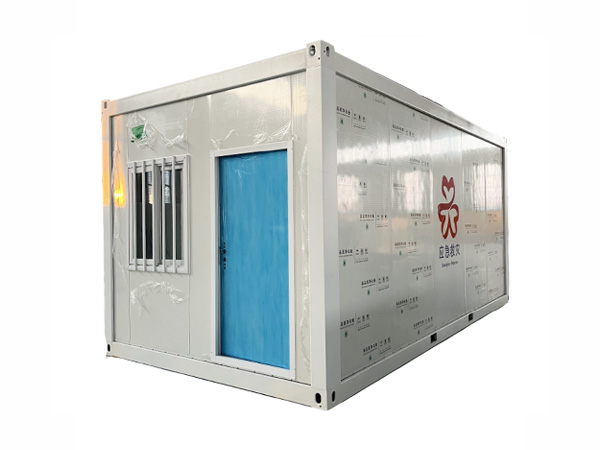
In an era where flexibility, efficiency, and sustainability are at the forefront of construction and housing needs, collapsible container houses have emerged as a game-changing solution. These innovative prefabricated structures combine the durability of steel containers with the convenience of foldable design, making them ideal for a wide range of applications—from temporary shelters to semi-permanent living spaces. Whether you’re a construction professional, a business owner in need of portable facilities, or someone exploring affordable housing options, this guide covers everything you need to know about collapsible container houses, from their core features to practical considerations for selection and use.
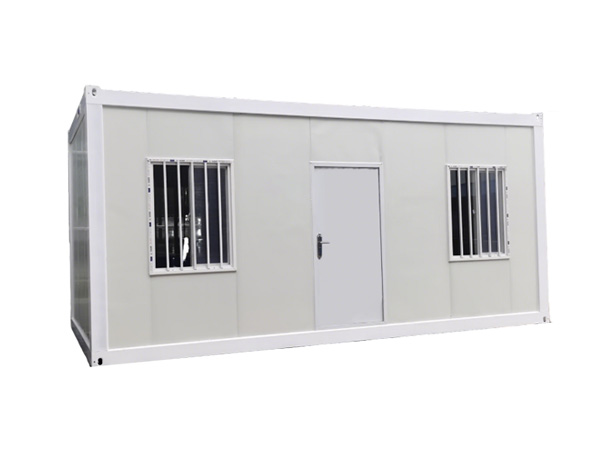
What Exactly Are Collapsible Container Houses?
Collapsible container houses—also known as folding container houses or collapsible container homes—are modular, prefabricated buildings constructed from high-quality steel frames and insulated panels. Unlike traditional shipping containers that remain rigid, these units are designed to fold flat during transportation and storage, then quickly unfold and assemble on-site with minimal effort. Manufactured entirely in factories, collapsible container houses undergo strict quality control to ensure durability, weather resistance, and structural stability. Their foldable design is the key differentiator: when collapsed, they take up 70-80% less space than fully assembled units, significantly reducing shipping costs and storage requirements. Once delivered, a small team can assemble a single unit in just a few hours—no heavy machinery or specialized construction skills required.
Key Advantages of Collapsible Container Houses
Collapsible container houses offer a host of benefits that make them stand out from traditional buildings and even standard prefabricated homes. Here are the most notable advantages:
1. Cost-Effective & Time-Saving
One of the biggest draws of collapsible container houses is their affordability. Factory prefabrication reduces labor costs, material waste, and construction time—critical factors for budget-conscious projects. Additionally, their compact folded size cuts down on shipping fees (multiple units can be stacked on a single truck), and quick assembly eliminates the need for long-term construction crews.
2. Portable & Space-Saving
Portability is at the heart of their design. Collapsible container houses can be easily transported to remote or hard-to-reach locations, making them perfect for construction sites, disaster relief areas, or temporary events. When not in use, they fold flat for convenient storage, requiring far less space than traditional temporary structures like trailers or tents.
3. Durable & Weather-Resistant
Built with heavy-gauge steel frames, collapsible container houses are built to last. They are waterproof, windproof, earthquake-resistant, and resistant to corrosion—even in harsh environments. High-quality insulation panels also ensure thermal comfort, keeping the interior cool in summer and warm in winter, while reducing energy costs for heating and cooling.
4. Flexible & Customizable
These modular units are highly versatile. Single units can be used as offices, dormitories, storage rooms, or small living spaces, while multiple units can be connected to create larger buildings like schools, clinics, or residential complexes. Customization options are abundant: choose from different sizes, colors, door/window configurations, interior layouts, and even add features like electrical wiring, plumbing, or solar panels.
5. Eco-Friendly & Reusable
Sustainability is a key benefit of collapsible container houses. Prefabricated production reduces construction waste, and the steel frames are 90% recyclable. Unlike traditional buildings that are often demolished and discarded, collapsible units can be reused, relocated, or repurposed multiple times—making them a greener choice for temporary or semi-permanent housing needs.
Common Applications of Collapsible Container Houses
Thanks to their versatility and convenience, collapsible container houses are used across a wide range of industries and scenarios. Here are some of the most common applications:
·Construction Sites: Dormitories for workers, on-site offices, storage rooms for tools and materials.
·Emergency Relief: Temporary shelters for victims of natural disasters (earthquakes, floods, hurricanes) or humanitarian crises.
·Commercial Use: Portable shops, kiosks, ticket booths, or temporary service centers at events, malls, or tourist attractions.
·Residential Use: Affordable housing for rural or remote areas, vacation cabins, guest houses, or tiny homes.
·Public Sector: Temporary classrooms, medical clinics, or community centers in areas with limited infrastructure.
·Military & Security: Temporary barracks, guard houses, or command centers for military camps or security checkpoints.
How to Install a Collapsible Container House
One of the biggest advantages of collapsible container houses is their easy installation. Unlike traditional construction, which can take weeks or months, these units can be set up in a matter of hours. Here’s a step-by-step overview of the installation process:
·Prepare the Site: Ensure the ground is flat, solid, and free of debris. For long-term use, a simple concrete foundation or gravel base may be recommended to enhance stability.
·Unfold the Unit: With the help of a small team (2-3 people), carefully unfold the collapsed container house. Most units have built-in hinges and locks to simplify this process.
·Secure the Structure: Once unfolded, secure the supporting legs or base to the ground using anchors or bolts. This ensures the unit is stable and resistant to wind or movement.
·Install Accessories: Attach doors, windows, and any additional accessories (like gutters, vents, or stairs) as needed. Connect electrical wiring or plumbing if pre-installed.
·Inspect & Test: Check the structure for any loose connections, ensure the seals are tight (to prevent water leakage), and test any electrical or plumbing systems.
Most manufacturers provide detailed installation instructions, and some offer on-site installation services for larger projects or those with specific requirements.
What to Consider When Buying a Collapsible Container House
If you’re considering purchasing a collapsible container house, there are several key factors to keep in mind to ensure you choose the right unit for your needs:
1. Quality & Durability
Look for units made with high-gauge steel (at least 2mm thick) and high-quality insulation panels. Check for certifications (e.g., ISO, CE) to ensure the unit meets international standards for safety and durability.
2. Size & Capacity
Determine the size you need based on your intended use. Standard sizes range from 20ft (6m) to 40ft (12m) in length, but custom sizes are also available. Consider the interior space, weight capacity, and whether you may need to connect multiple units in the future.
3. Customization Options
Choose a manufacturer that offers customization options to fit your specific needs—whether that’s adding windows, doors, electrical wiring, or a custom interior layout. Ask about lead times for custom orders.
4. Shipping & Installation
Inquire about shipping costs and delivery times, especially if you’re located in a remote area. Ask if the manufacturer provides installation guidance or on-site services, and whether they offer training for your team to handle future assembly/disassembly.
5. After-Sales Service & Warranty
A reliable manufacturer should offer a warranty (typically 1-5 years) on the structure and components. Check what the warranty covers (e.g., steel frame, insulation, hardware) and whether they provide after-sales support for repairs or maintenance.
6. Budget
Set a budget and compare quotes from multiple manufacturers. Keep in mind that while cheaper units may save money upfront, they may be less durable or have fewer features—leading to higher costs in the long run. Consider the total cost of ownership (shipping, installation, maintenance) rather than just the purchase price.
Conclusion
Collapsible container houses are a versatile, cost-effective, and sustainable solution for modern housing and construction needs. Their foldable design, durability, and flexibility make them ideal for a wide range of applications—from temporary shelters to semi-permanent living spaces. Whether you’re looking for a quick, affordable option for a construction site, emergency relief, or a unique residential space, collapsible container houses offer a practical and innovative alternative to traditional buildings. By understanding their key features, advantages, and practical considerations, you can choose the right collapsible container house to meet your needs—saving time, money, and resources while enjoying a durable, flexible space that adapts to your changing requirements.
References
GB/T 7714:Development of a Quickly Erectable Prefabricated Collapsible Construction System for Temporary Accommodation. Materials Science Forum
MLA:Performance of Modular Prefabricated Architecture: Case Study-Based Review and Future Pathways. Sustainability
APA:BIM-Enabled Modular and Industrialized Construction in China. Procedia Engineering