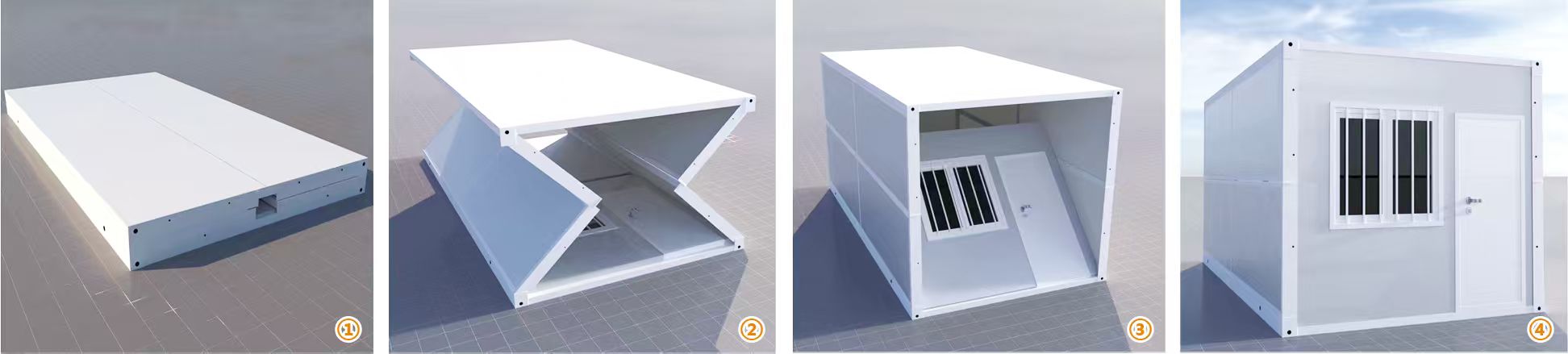




-
Expandable Folding House
-
Quick-assembly Packing Container
-
Foldable Packing Container
-
Folding Container House
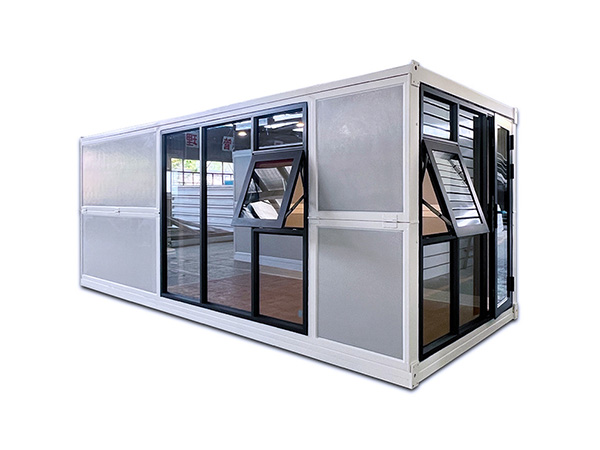
Prefabricated Modular Container

Prefabricated modular containers have emerged as a game-changing innovation in the global construction industry, redefining efficiency, sustainability, and flexibility in building design and delivery. Unlike traditional on-site construction, these containers are manufactured as standardized, pre-assembled modules in a controlled factory environment, then transported to the project site for final installation. This off-site production model eliminates many of the drawbacks of conventional building methods, making modular containers an ideal choice for a wide range of applications, from residential housing to commercial spaces and emergency shelters.
One of the most prominent advantages of prefabricated modular containers is their exceptional efficiency. Factory production ensures precise manufacturing with strict quality control measures, reducing material waste and construction errors that often occur on busy building sites. The modular design allows for parallel work: while modules are being fabricated in the factory, site preparation (such as foundation laying) can be completed simultaneously, cutting overall construction time by 30% to 50% compared to traditional methods. This speed is particularly valuable for time-sensitive projects, such as temporary hospitals, disaster relief housing, or commercial spaces that need to open quickly to generate revenue.
Sustainability is another key feature driving the popularity of modular containers. Most modules are made from recycled steel, a material that is both durable and fully recyclable, reducing the carbon footprint associated with new material production. Additionally, the controlled factory environment minimizes energy consumption and waste, as excess materials can be easily reclaimed and reused in future projects. Many modular containers are also designed to be energy-efficient, with insulation, double-glazed windows, and solar panel compatibility, further lowering long-term energy costs and environmental impact.
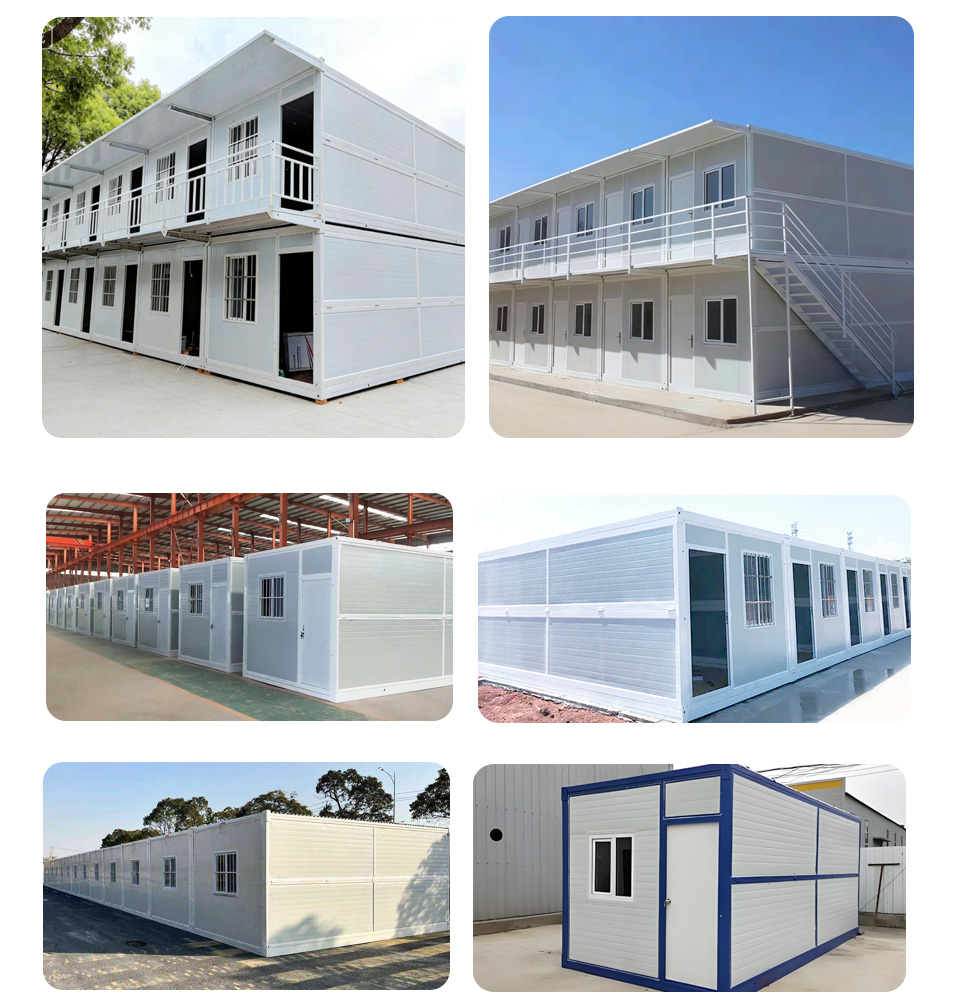
Flexibility and adaptability are inherent to the modular container design. Modules are standardized in size (typically 20ft or 40ft, conforming to international shipping container standards) but can be easily combined, stacked, or modified to create custom spaces of any scale. Whether it’s a small single-family home, a multi-story office building, a student dormitory, or a pop-up retail store, modular containers can be tailored to meet specific functional and aesthetic requirements. They can also be disassembled and relocated if needed, making them a cost-effective solution for temporary or mobile spaces—an advantage that traditional buildings simply cannot match.
In terms of durability, prefabricated modular containers are built to withstand harsh conditions. Constructed from high-strength steel, they are resistant to weather, corrosion, fire, and pests, ensuring a long service life of 20 to 30 years or more with minimal maintenance. This durability makes them suitable for use in remote or challenging environments, such as mining camps, construction sites, or rural areas where traditional building materials may be scarce or difficult to transport.
As the construction industry shifts toward more efficient, sustainable, and cost-effective solutions, prefabricated modular containers continue to gain traction worldwide. They address critical challenges such as labor shortages, rising material costs, and tight project deadlines, while also aligning with global efforts to reduce carbon emissions. With ongoing technological advancements, including improved insulation materials, smart home integration, and more sophisticated design options, modular containers are no longer just a temporary solution—they have become a viable, innovative alternative to traditional construction, shaping the future of building design and delivery.