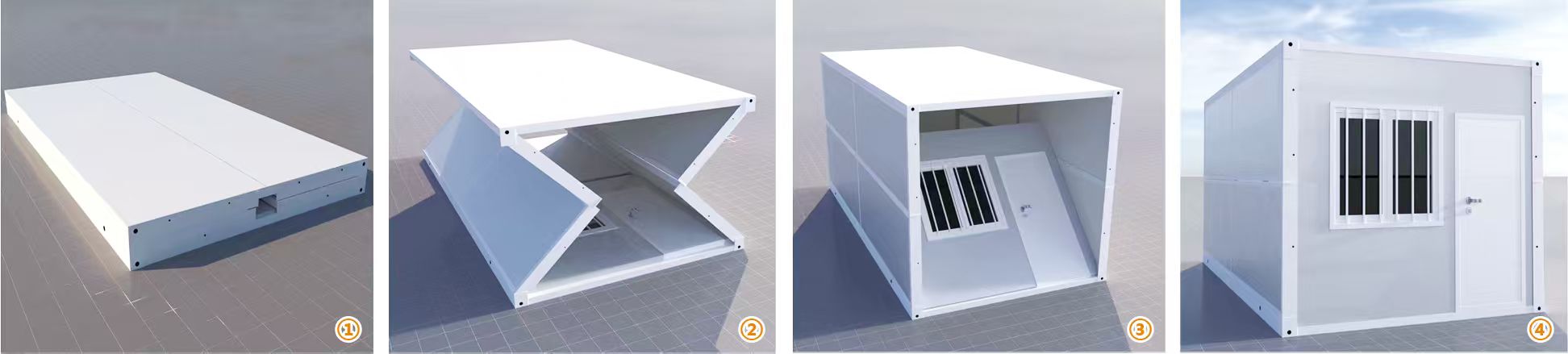




-
Expandable Folding House
-
Quick-assembly Packing Container
-
Foldable Packing Container
-
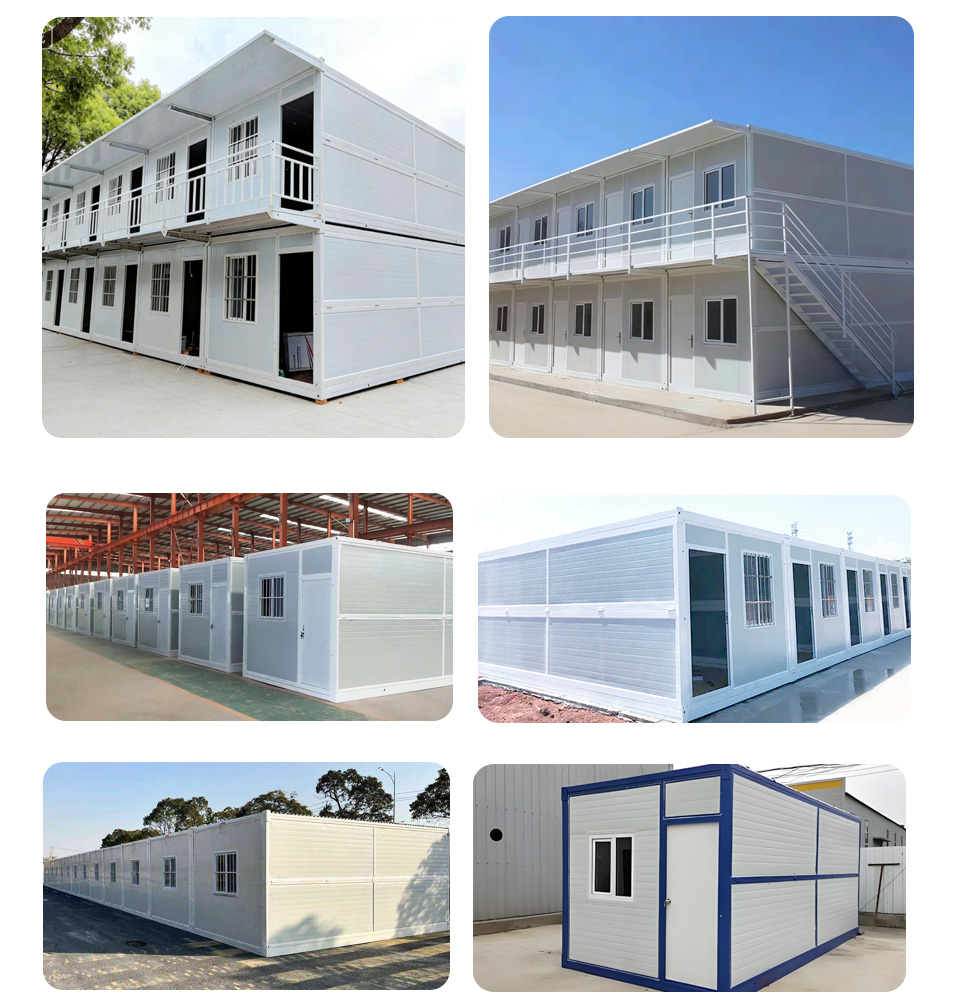
Folding Container House
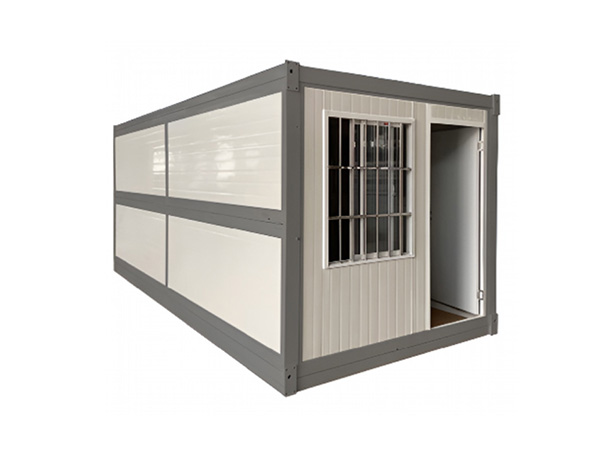
Container House Manufacturer

Introduction to Container House Manufacturers:
Container houses, also known as "cargotecture," are a type of architecture that repurposes steel intermodal shipping containers into residential or commercial buildings. They offer an innovative and increasingly popular alternative to traditional housing, known for durability and unique design potential.
Sustainability and Eco-friendliness: Using retired shipping containers gives a new life to thousands of kilograms of steel that might otherwise go to waste, making them an environmentally friendly option.
Durability and Strength: Containers are made of Corten steel and designed to withstand the harsh conditions of ocean travel, including high winds and heavy loads when stacked.
Cost-Effectiveness: Container homes can be more affordable than conventional new builds, especially if the design is kept simple or a prefabricated unit is purchased.
Quick Construction: Because the main structural elements are pre-fabricated, assembly on-site can be significantly faster than traditional construction.
Modularity and Flexibility: Their standardized sizes (e.g., 20ft and 40ft lengths, 8ft width) allow for modular designs, meaning they can be combined or stacked to create larger, customized living spaces.
Portability: Single-container homes or modules can be transported to different locations if needed, offering flexibility in placement.
Common Challenges
Limited Space: Standard containers are only 8 feet wide, which can feel cramped after adding insulation and interior walls, reducing usable space.
Insulation and Temperature Control: Metal conducts heat and cold easily, requiring significant insulation to maintain comfortable indoor temperatures and prevent condensation, which further reduces interior space.
Structural Modification: Cutting large openings for windows and doors can compromise the container's structural integrity, requiring costly steel reinforcement.
Building Codes and Permits: Local municipalities may not be familiar with container architecture, potentially complicating the process of obtaining building permits and ensuring compliance with residential codes.
Health and Safety: Used containers may have been treated with chemicals or contain residues from transported cargo, requiring thorough cleaning and the use of non-toxic paints and finishes.
Finding Experienced Builders: It can be challenging to find contractors with the specialized knowledge required to properly build and install a container home.