



-
Expandable Folding House
-
Quick-assembly Packing Container
-
Foldable Packing Container
-
Folding Container House
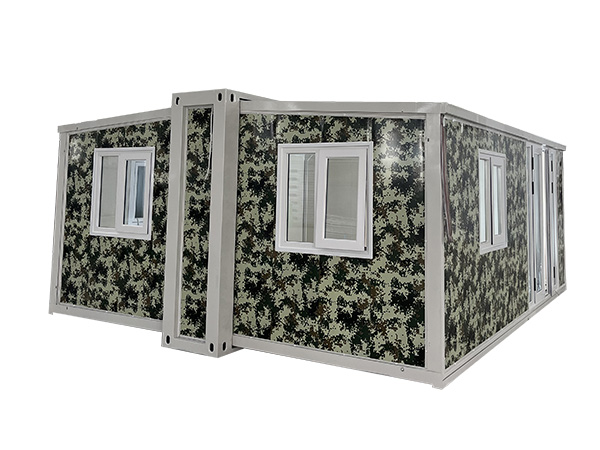
Expandable House

An expandable house, also known as an extensible or foldable prefab house, is an innovative modular housing solution designed to address the changing needs of space, mobility, and cost-effectiveness. Unlike traditional fixed homes, it features a collapsible or extendable structure that can be adjusted in size according to usage scenarios, making it a versatile choice for both temporary and long-term living, construction sites, remote areas, vacation homes, and emergency shelter.
The core advantage of an expandable house lies in its flexible structure. Most models are built with a modular steel frame and foldable wall panels, which can be easily expanded from a compact transport size to a spacious living space in a short time—usually within a few hours to one day with minimal labor and simple equipment. For example, a standard 20-foot expandable house can double or even triple its interior area when fully extended, transforming from a portable unit into a comfortable home with multiple rooms.
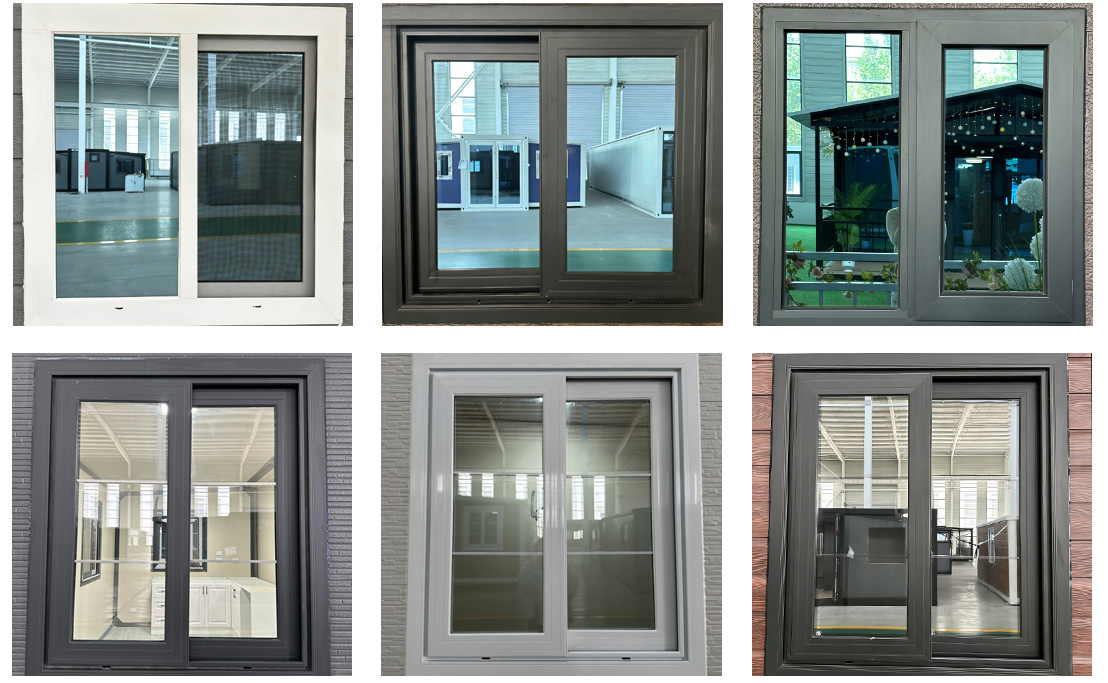
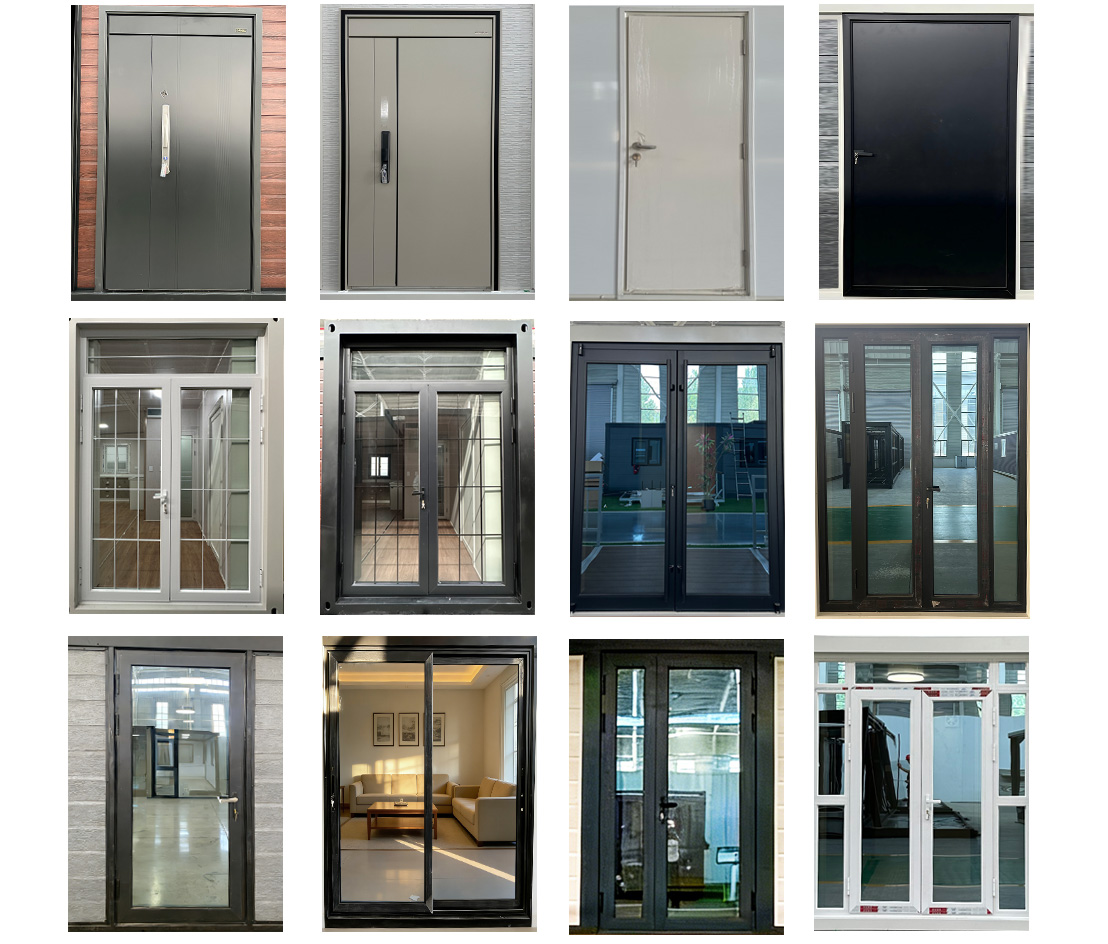
Durability and functionality are also key highlights. The frame is made of high-strength galvanized steel, resistant to corrosion, rust, and harsh weather such as strong winds and heavy rains, ensuring a long service life of 15-25 years. The wall panels are filled with high-density thermal insulation material, paired with sealed doors and energy-efficient windows, providing excellent thermal insulation and soundproofing effects. This allows the interior to remain warm in winter and cool in summer, creating a comfortable living environment regardless of the external conditions.
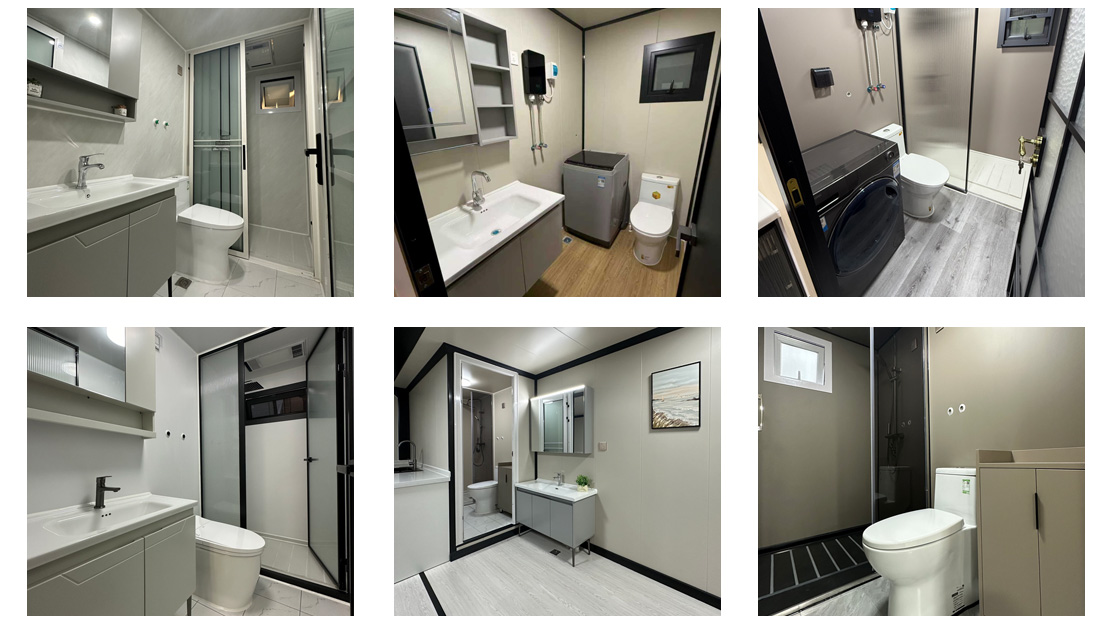
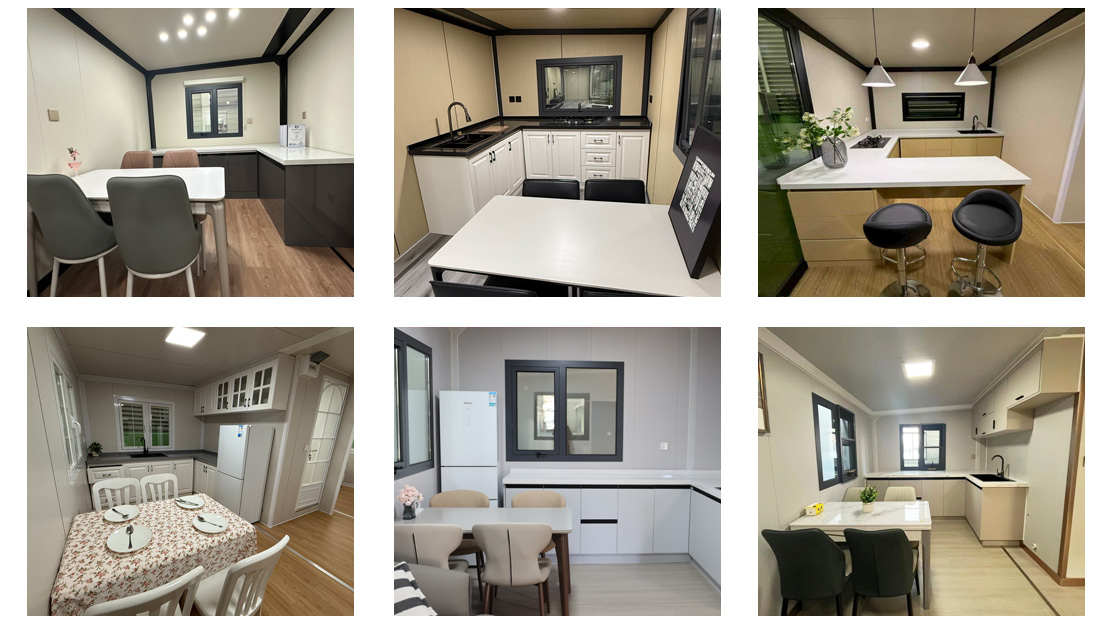
In terms of interior configuration, expandable houses offer great customization. The expanded space can be divided into bedrooms, a living room, a kitchen, and a bathroom, equipped with essential furniture and appliances. The compact transport size (often compatible with standard shipping containers) enables easy transportation by truck, ship, or train, making it ideal for remote areas or projects that require frequent relocation, such as construction site dormitories or disaster relief shelters.
Environmentally friendly and cost-effective, expandable houses reduce construction waste by over 80% compared to traditional homes, as most components are prefabricated in factories and reusable. They also save on transportation and installation costs, and their expandable design eliminates the need for costly renovations when space needs increase. Whether for personal use, enterprise accommodation, or emergency response, expandable houses combine flexibility, durability, and economy, redefining modern temporary and semi-permanent living.