




Modular Homes vs. Container Homes: What’s the Difference?
2026-02-05 09:49:38
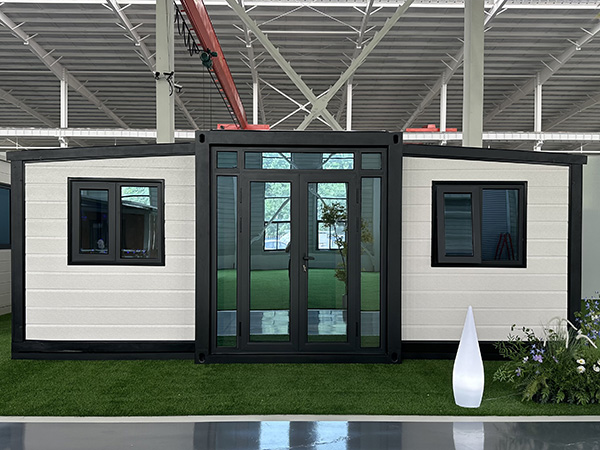
As demand for faster,more flexible housing grows,two categories are showing up in more conversations:modular homes and shipping container homes.They’re often grouped together because both can be built off-site and delivered to a project location—but they are not the same product,and the differences matter.
From design freedom and structural logic to cost drivers and permitting pathways,choosing the right option can save months of time and prevent expensive surprises.This news-style guide breaks down the practical differences in a simple,project-focused way.
1)The core difference:“purpose-built modules”vs.“repurposed steel containers”
Modular homes
A modular home is purpose-built in sections(modules)designed specifically to become a building.These modules are engineered around:
intended room sizes and layouts
insulation cavities and MEP(mechanical,electrical,plumbing)routes
standard building components(stud walls,joists,trusses,panels)
In short:modular=built as a house from the beginning.
Container homes
A container home uses a steel shipping container(or container-inspired frame)as the core structural shell.The structure starts as a standardized steel box with fixed width/height constraints.Creating a“home”requires:
insulation systems added to steel walls/roof
window/door cutouts and structural reinforcement
interior finishing and utility integration
In short:container home=built by converting a steel container shell.
2)Design flexibility and layout options
Modular:high flexibility,fewer hard limits
Modular construction can scale from a compact studio to multi-bedroom homes,two-story layouts,and larger commercial buildings.Because the modules are purpose-designed,it’s easier to achieve:
larger open-plan living areas
varied room widths
more window placement options
a“traditional home”look inside and out
Container:creative,compact,but dimension-limited
Container dimensions are standardized.That makes container projects excellent for:
compact cabins
backyard offices
studio ADU
retail kiosks and cafes
temporary accommodation
But if you want wide living rooms or large open spans,a container home may require combining multiple containers,major cut-and-reinforce work,or an additional steel frame—adding complexity and cost.
3)Structural logic and what happens when you cut openings
Modular:openings are normal
In modular homes,doors and windows are planned as part of the wall system,with headers and framing designed around typical building practices.
Container:openings change the structure
Shipping containers are strongest at their corner posts and along certain corrugated panels.When you cut large openings(big windows,sliding doors,joining containers),you often need:
steel reinforcement beams
additional columns/frames
careful structural design to prevent twisting or weakening
This is one reason two container homes with similar floor area can differ hugely in price:one might be a simple conversion,another might be a heavily re-engineered steel structure.
4)Insulation and comfort performance
Modular:easier to reach high comfort standards
Modular walls typically follow familiar building assemblies,so it’s straightforward to build for different climate zones using appropriate insulation thickness and vapor control.
Container:insulation is critical and must be engineered carefully
Steel transfers heat quickly and can create condensation issues if assemblies aren’t designed correctly.A comfortable container home requires:
correct insulation type and thickness
thermal break strategy
vapor control/moisture management
quality windows and air sealing
HVAC sized for the real heat gain/loss
A well-designed container home can be very comfortable—but it’s less forgiving if details are rushed.
5)Permitting and code pathway considerations
This is where many buyers get surprised.
Modular homes often fit a clearer“housing”pathway
In many markets,modular construction is recognized as a mainstream method.Approvals may be more predictable when:
documentation is complete(drawings,engineering,specs)
the product aligns with local building codes
the installation plan matches local requirements(foundation,connections,utilities)
Container homes can trigger more questions
Some jurisdictions treat container homes as:
alternative construction
non-standard steel structures
custom builds needing additional engineering
or they apply special requirements for insulation,fire safety,or corrosion protection
The best practice for either option:plan for compliance early and prepare a clear package(floor plan,elevations,structural notes,insulation specs,electrical/plumbing routing,foundation concept).
6)Cost drivers:what you’re really paying for
Modular cost drivers
size and number of modules
interior finish level(basic vs premium)
transport distance and crane/setting needs
foundation and utility connections
local labor for assembly and finishes
Container cost drivers
container condition and specification(new/used,high cube,etc.)
cutting and reinforcement volume
insulation strategy and interior space loss
rust/corrosion protection and coatings
custom facade/roof systems(if used)
transport,setting,and site work
Important reality:container homes aren’t automatically cheaper.For projects requiring extensive modifications and high finish levels,modular can be more cost-effective because it starts as a purpose-built housing system.
7)Which one should you choose?
Choose modular housing if you want:
a more“traditional home”layout
larger open spaces and higher design freedom
scalable multi-bedroom or multi-story options
clearer mainstream construction logic
Choose container housing if you want:
a compact unit with a distinctive modern look
a cabin,office pod,studio,or small ADU
durable steel-shell aesthetics
a faster path for smaller,standardized footprints(when design is controlled)
Conclusion:Same category of“off-site building,”different DNA
Modular homes and container homes both benefit from off-site efficiency,but they’re built on different foundations—literally and structurally.Modular is a purpose-designed building system.Container homes are a steel-shell conversion that can be powerful for the right use cases,especially compact projects.
If you’re planning a project(ADU,rental cabin,office,workforce housing,or residential),the smartest next step is to match the solution to your priorities:layout freedom,speed,budget stability,and permitting fit.
References
GB/T 7714:Krull L R. Comparison Between Shipping Container Homes and Regular Stick-built Homes in California[J]. 2022.
MLA:Krull, Levi Robert. "Comparison Between Shipping Container Homes and Regular Stick-built Homes in California." (2022).
APA:Krull, L. R. (2022). Comparison Between Shipping Container Homes and Regular Stick-built Homes in California.