




Energy Efficiency Advantages of Modular Integrated Housing
2026-05-08 04:39:51
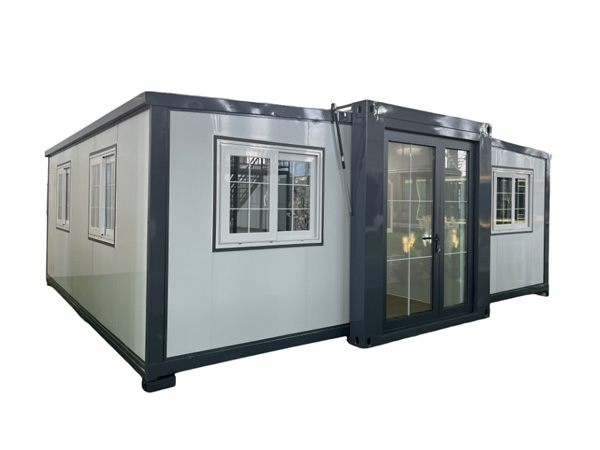
With the continuous rise of global energy costs and the tightening of sustainability standards, homeowners and developers are increasingly seeking smarter building solutions. One of the most effective modern approaches is the modular integrated housing system, which boasts remarkable advantages in energy efficiency when compared to traditional construction techniques. By integrating factory-controlled production with advanced building materials and precise engineering, modular homes are designed not only to ensure comfort but also to achieve long-term energy savings.
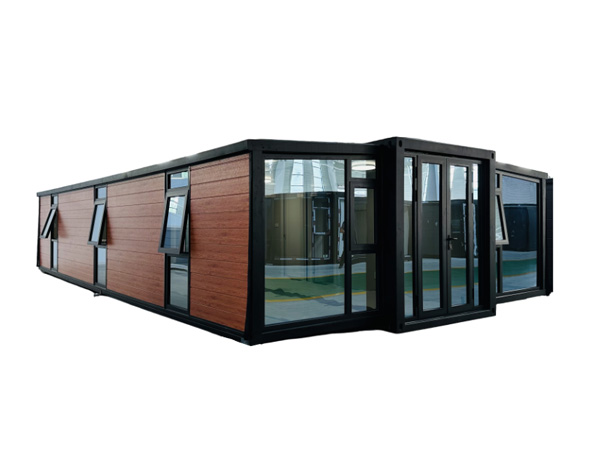
1. Precision Manufacturing Minimizes Energy Loss
A major energy efficiency benefit of modular integrated housing stems from its factory-based production environment. Unlike traditional on-site construction, modular units are fabricated in controlled indoor settings using high-precision equipment. This enables:
Tighter structural joints
More accurate insulation placement
Reduced air leakage between building components
Consequently, the finished home has fewer gaps and thermal bridges, which helps maintain indoor temperatures more efficiently and lowers the demand for heating and cooling.
2. Exceptional Insulation Performance
Energy efficiency is largely determined by a building’s ability to retain heat or cool air. Modular integrated houses typically adopt high-performance insulation materials installed under strict quality control measures. Since insulation is added during the manufacturing process:
It is installed more uniformly and consistently
The risk of compression or damage is significantly reduced
Thermal performance remains stable over the long term
This results in enhanced energy retention, decreasing reliance on HVAC systems throughout the year.
3. Airtight Construction Enhances Climate Control
Traditional buildings often experience air leakage due to inconsistencies in on-site construction. Modular housing mitigates this problem through tight joint systems and factory-sealed components. Better airtightness translates to:
Less loss of heated or cooled air
More stable indoor temperatures
Lower energy consumption for climate regulation
In many cases, this can lead to a substantial reduction in monthly utility expenses.
4. Integration of Energy-Saving Systems
Modern modular integrated housing is often designed with built-in energy-efficient technologies, including:
LED lighting systems
Energy-efficient HVAC units
Smart thermostats
Solar panel compatibility
Because these systems are planned during the design phase rather than being added as an afterthought, they operate more efficiently and are easier to optimize for the entire building.
5. Reduced Construction Waste and Embodied Energy
Energy efficiency is not limited to operational use—it also encompasses the energy consumed during the construction process. Modular housing reduces environmental impact by:
Minimizing material waste in factory production
Optimizing material usage through precise cutting and assembly
Lowering transportation and on-site energy consumption
Compared to traditional construction, this results in a smaller embodied carbon footprint, making modular homes more sustainable from the very start of their lifecycle.
6. Enhanced Long-Term Performance and Durability
Energy efficiency is closely tied to a building’s long-term performance. Modular integrated houses are engineered for durability, meaning:
Less degradation of insulation materials
Fewer structural cracks or air leaks
Stable performance of energy systems over many years
This long-term stability ensures that energy efficiency does not decline rapidly, unlike poorly maintained traditional buildings.
7. Potential for Net-Zero Energy Homes
By integrating renewable energy systems such as solar panels and energy storage, modular housing can be designed to achieve net-zero energy performance. When combined with:
High insulation standards
Efficient appliances
Smart energy management systems
Modular homes can generate as much energy as they consume, particularly in regions with abundant sunlight or supportive energy policies.
Conclusion
The energy efficiency advantages of modular integrated housing originate from its core design principles: precision, control, and integration. By constructing homes in factory environments and incorporating energy-saving systems from the outset, modular homes significantly reduce energy loss and improve overall performance. As energy costs continue to rise and environmental concerns grow, modular integrated housing is evolving from a mere alternative construction method into a key solution for building a more sustainable future.
References
GB/T 7714:How Modular Construction Paves the Way for Zero-Waste and Eco-Efficiency. Modular Building Institute Journal
MLA:Thermal Performance Assessment of Flexible Modular Housing Units for Energy Independence. Sustainability
APA:A Comprehensive Review of Modular Construction Advantages and Limitations for Sustainable Energy Performance. Journal of Building Engineering