




Container House vs Traditional Building - Telaosi Integrated Housing
2026-06-09 11:07:13

Container House vs Traditional Building
Introduction to the Comparison
The housing industry has traditionally been dominated by conventional construction methods, involving on-site building from the ground up. However, the emergence of container houses as a viable alternative has sparked considerable interest and debate. Hebei Telaosi Integrated Housing Co., Ltd., a renowned manufacturer and supplier based in Fucheng County, Hengshui City, Hebei Province, offers valuable insights into the strengths and limitations of both approaches.
This comparative analysis aims to shed light on the key differences between container houses and traditional buildings, focusing on aspects such as construction time, cost, durability, design flexibility, and environmental impact. By understanding these differences, prospective homeowners and developers can make more informed decisions tailored to their specific needs and circumstances.
Construction Time and Efficiency
One of the most striking differences between container houses and traditional buildings is the time required for completion. Traditional construction is notorious for its lengthy timelines, often spanning several months to years, depending on the scale and complexity of the project. Delays due to weather, labor shortages, or material delivery issues are common, further extending the timeline.
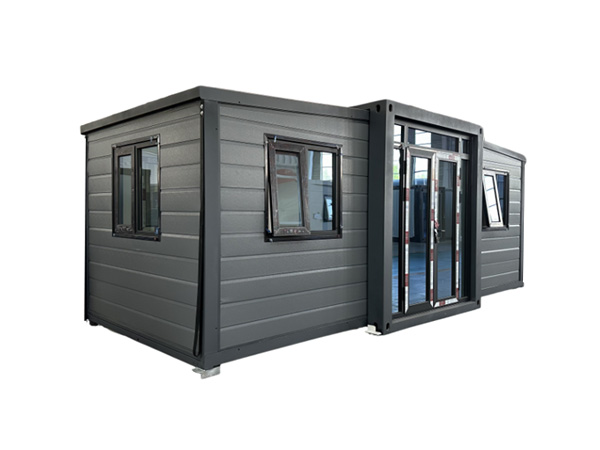
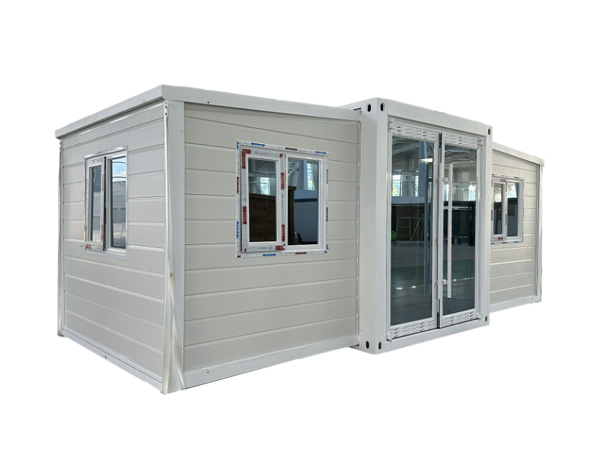
In contrast, container houses boast significantly reduced construction times. Since the primary structure—the shipping container—is already in existence, and much of the modification and outfitting can be done in a factory setting, the on-site work is minimal. A container home can often be ready for occupancy within weeks, representing a fraction of the time required for traditional construction.
The factory-based production of container houses also means that weather delays, a frequent bane of traditional construction, are virtually eliminated. This predictability in scheduling is a substantial advantage for projects with tight deadlines or those located in regions with challenging weather conditions.
Cost Considerations
Cost is invariably a pivotal factor in housing decisions. Traditional construction costs can be substantial, encompassing expenses for materials, labor, equipment rental, and permits. The costs are also prone to overruns, as unforeseen issues frequently arise during the building process.
Container houses generally offer a more cost-effective solution. The use of repurposed shipping containers as the structural base reduces material costs. Additionally, the streamlined manufacturing and reduced on-site labor requirements contribute to overall savings. While high-end container homes with luxury finishes can approach the cost of traditional homes, basic to mid-range container houses are typically much more affordable.
It is important to note, however, that costs can vary based on location, customization levels, and site preparation needs. In some urban areas, the cost savings of container houses may be less pronounced due to land prices and zoning regulations that favor traditional construction.
Durability and Maintenance
Traditional buildings, when constructed with quality materials and proper techniques, can last for generations. However, they are susceptible to issues such as rot, termite damage, and weathering, which necessitate ongoing maintenance and repairs.
Container houses are inherently durable, crafted from corten steel designed to withstand the harsh conditions of marine transport. This material is resistant to many of the problems that plague traditional homes, offering superior longevity with minimal upkeep. Properly insulated and maintained container houses can provide decades of reliable service.
That said, the durability of a container house is heavily dependent on the quality of the conversion work. Poor insulation, inadequate rust protection, and substandard modifications can compromise the structure's integrity and lead to costly problems down the line. Selecting a reputable manufacturer like Hebei Telaosi Integrated Housing Co., Ltd. is therefore crucial.
Design Flexibility and Aesthetics
Traditional construction offers virtually unlimited design flexibility. Architects can create custom home designs that cater to the unique preferences and requirements of the homeowner, with few constraints beyond budget and local building codes.
Container houses, while more restricted in shape and size due to the dimensions of standard shipping containers, have seen remarkable advancements in design possibilities. Multiple containers can be combined and stacked to create expansive, multi-story homes. Innovative architects and designers have also found ways to clad and finish container homes in manners that completely disguise their industrial origins, resulting in aesthetically pleasing, modern dwellings.
The perception of container homes as strictly utilitarian or industrial is rapidly changing, with many examples of stunning, architecturally significant container house projects around the world. Nonetheless, for those desiring highly customized, unconventional home designs, traditional construction may still offer greater creative freedom.
Environmental Impact
The environmental footprint of housing construction is a growing concern. Traditional construction generates significant amounts of waste and often involves energy-intensive production of materials like cement and steel.
Container houses present several environmental advantages. Repurposing used shipping containers reduces industrial waste and the demand for new raw materials. The controlled factory environment of container home production also allows for more efficient use of materials and reduced waste generation compared to on-site traditional construction.
However, the environmental benefits of container houses can be offset if the modification process involves extensive use of energy-intensive materials or if the home is not properly insulated, leading to higher energy consumption for heating and cooling. Thoughtful design and selection of eco-friendly materials are essential to maximizing the sustainability of container homes.
Conclusion
The choice between a container house and a traditional building ultimately depends on individual priorities, budget, timeline, and aesthetic preferences. Container houses offer compelling advantages in terms of speed, cost-effectiveness, and durability, making them an attractive option for many.
Traditional construction, with its unlimited design potential and proven track record, remains the preferred choice for those seeking highly customized, long-term homes. By carefully weighing the pros and cons of each approach, informed decisions can be made that align with one's housing goals and circumstances.
References
1. Journal of Building Engineering, "Comparative life cycle assessment of container houses and traditional construction", 2021.
2. Energy and Buildings, "Energy performance comparison between container homes and conventional houses", 2020.
3. Sustainable Cities and Society, "Environmental impact of container housing versus traditional building methods", 2022.
4. Construction Management and Economics, "Cost and time analysis of container-based and traditional construction", 2019.
5. Building and Environment, "Indoor environmental quality comparison: Container houses vs. traditional homes", 2021.