




Complete Container House Buyers Guide
2026-06-02 07:56:57

Complete Container House Buyers Guide
Container houses have gained tremendous popularity as affordable, sustainable, and versatile housing solutions. Whether you are looking for a temporary office, a vacation home, or a permanent residence, purchasing a container house requires careful consideration of multiple factors. This comprehensive guide walks you through everything you need to know to make an informed purchase decision.
Unlike traditional housing, container homes offer unique advantages including rapid deployment, mobility, and cost-effectiveness. However, the purchasing process involves specific considerations that differ from conventional home buying. Understanding these factors helps you select the right container house for your needs and budget.
Understanding Container House Types
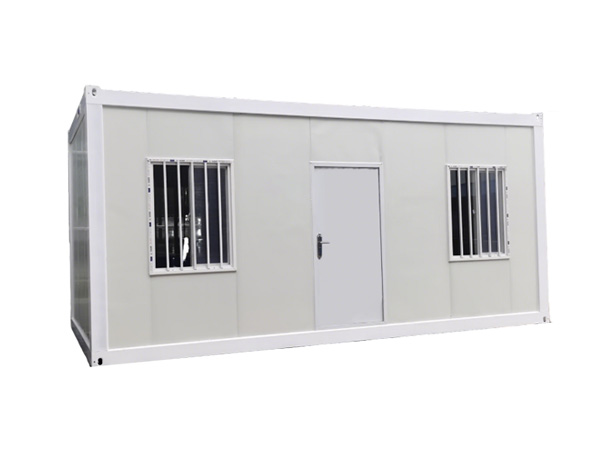
Container houses come in various configurations to suit different applications. Standard shipping containers (20-foot and 40-foot) form the base structure, which can be modified with windows, doors, insulation, and interior partitions. Expandable container houses feature hydraulic walls that unfold to create larger living spaces, nearly doubling the usable floor area.
Folding container houses use hinged wall panels that fold flat for transportation and unfold on-site. This design significantly reduces shipping costs and simplifies logistics for remote locations. Quick-assembly packing containers feature pre-installed electrical and plumbing systems, minimizing on-site setup time.
Custom container houses allow buyers to specify exact dimensions, layouts, and finishes. Working with experienced container house manufacturers ensures your custom design meets building codes and structural requirements. Professional suppliers can provide 3D renderings and detailed specifications before production begins.
Key Specifications to Consider
Size and layout represent the most fundamental decisions when buying a container house. Standard 20-foot containers provide approximately 160 square feet of living space, while 40-foot units offer 320 square feet. Expandable models can reach 640 square feet when fully unfolded, providing ample space for family living.
Insulation quality directly affects comfort and energy efficiency. High-quality container houses feature thermal break construction and insulation rated for local climate conditions. Polyurethane foam injection and rock wool insulation are common options, each offering different R-values and moisture resistance characteristics.
Electrical and plumbing systems must meet local building codes. Pre-wired container houses simplify the connection process, though on-site electrical work is typically required to connect to utility services. Plumbing rough-ins should include proper venting and drainage slopes to prevent issues after installation.
Material Quality and Durability
Steel gauge thickness determines structural strength and longevity. Marine-grade corten steel offers superior corrosion resistance compared to standard steel, making it ideal for coastal or high-humidity environments. The steel frame should be factory-primed and painted with marine-grade coatings to prevent rust formation.
Roof design affects water drainage and interior comfort. Sloped roofs prevent water pooling that can lead to leaks and structural damage. Some container house designs incorporate overhanging roofs to provide shade and protect exterior walls from rain exposure.
Floor systems must support anticipated loads while resisting moisture damage. Marine plywood subflooring with waterproof vinyl or laminate finishes provides durable, easy-to-clean surfaces. Raised floor designs improve ventilation and prevent ground moisture from affecting interior comfort.
Customization Options
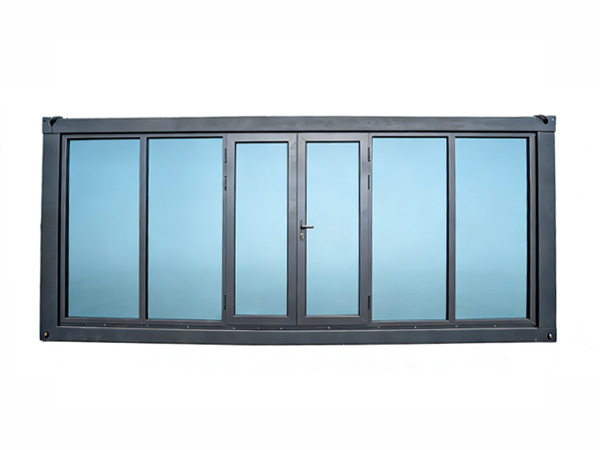
Window and door placement significantly impacts natural lighting and ventilation. Double-pane windows with low-E coatings improve energy efficiency while reducing exterior noise transmission. Security doors with multi-point locking systems enhance safety in remote or urban installations.
Interior finishes range from basic industrial aesthetics to luxury residential specifications. Moisture-resistant drywall, bamboo flooring, and stone countertops transform container interiors into comfortable living spaces. Built-in storage solutions maximize usable space in compact floor plans.
HVAC systems must be properly sized for the container volume and local climate. Mini-split air conditioners provide efficient heating and cooling while maintaining a small footprint. Some container house designs incorporate passive solar features and natural ventilation to reduce energy consumption.
Site Preparation Requirements
Foundation requirements vary based on soil conditions and local building codes. Concrete pier foundations provide adequate support while allowing air circulation underneath the container. Full concrete slabs offer maximum stability but require more extensive site preparation and permitting.
Utility connections must be planned before delivery. Electrical service panels require weatherproof enclosures and proper grounding. Water and sewer connections may require permits and inspections, particularly for permanent installations. Off-grid options including solar panels and septic systems expand placement possibilities.
Access for delivery trucks affects site selection and costs. Standard container houses require flatbed or tilt-bed trailers for delivery. Cranes may be necessary for positioning containers in tight spaces or on elevated foundations. Experienced suppliers can assess site access and recommend appropriate delivery methods.
Cost Considerations
Purchase price varies significantly based on size, customization level, and included systems. Basic 20-foot container houses may cost $5,000-$10,000, while fully customized expandable models can exceed $30,000. Shipping costs depend on distance and accessibility, potentially adding 10-20% to the total project cost.
Installation expenses include foundation work, utility connections, and permits. DIY installation can reduce costs but requires construction experience and proper tools. Professional installation ensures code compliance and may be required for financing or insurance purposes.
Long-term value depends on construction quality and maintenance. Well-built container houses from established manufacturers retain value and can appreciate in desirable locations. Poor-quality conversions may require extensive repairs within a few years, negating initial cost savings.
Supplier and Manufacturer Selection
Reputable container house suppliers provide detailed specifications, warranty coverage, and reference projects. Factory visits demonstrate production capabilities and quality control processes. Established manufacturers maintain spare parts inventories and provide technical support after purchase.
Customization capabilities vary between suppliers. Some focus on standard models with limited options, while others offer complete design flexibility. Understanding supplier capabilities ensures your specific requirements can be met within budget and timeline constraints.
International suppliers may offer lower prices but introduce shipping complexities and communication challenges. Domestic manufacturers typically provide better warranty support and faster delivery times. Evaluating total cost of ownership including shipping, customs, and support helps identify the best value proposition.
Permits and Regulations
Building permits are required for permanent container house installations in most jurisdictions. Zoning restrictions may limit placement options, particularly in residential neighborhoods. Working with experienced suppliers familiar with local regulations streamlines the approval process.
Building codes address structural, electrical, plumbing, and energy efficiency requirements. Container houses must meet the same standards as traditional construction in most areas. Professional suppliers provide documentation demonstrating code compliance for permit applications.
Homeowner association restrictions may prohibit container houses in certain communities. Reviewing deed restrictions and architectural guidelines before purchase prevents costly surprises after delivery. Some manufacturers offer container houses with exterior finishes that resemble traditional construction to address aesthetic concerns.
Conclusion
Purchasing a container house requires balancing cost, customization, and quality considerations. Thorough research and working with reputable suppliers ensures a successful project that meets your housing needs for years to come. Taking time to evaluate options and understand requirements prevents costly mistakes and ensures satisfactory results.
Quality container houses from established manufacturers provide comfortable, durable housing solutions. Investing in proper specifications and professional installation delivers long-term value and peace of mind. Container housing represents an innovative approach to affordable, sustainable living that continues gaining acceptance worldwide.
References
International Code Council. (2024). International Building Code Requirements.
Container Home Magazine. (2023). Buyers Guide to Shipping Container Homes.
Prefab Housing Association. (2024). Standards for Modular and Container Housing.
Sustainable Housing Review. (2023). Container House Design and Construction.